

Brooklyn is too large and varied to treat as one quick stop after walking across the Brooklyn Bridge. For a first visit, I would divide it into waterfront Brooklyn, north Brooklyn and the Prospect Park/cultural area. That creates a realistic three-day plan without spending half the trip crossing the borough.
You do not need to see all of Brooklyn to understand why it belongs in a New York itinerary. The best first trip combines skyline views, brownstone streets, neighborhood food, a major cultural stop and enough unplanned walking to notice how different Brooklyn feels from Midtown Manhattan.

Day 1: Brooklyn Bridge, DUMBO and Brooklyn Heights
Start early if you want to walk the Brooklyn Bridge before the busiest part of the day. Walking from Manhattan toward Brooklyn gives you the skyline behind you and places you naturally in DUMBO. Be considerate of cyclists and stay in the pedestrian space.
DUMBO is compact. The famous Manhattan Bridge view on Washington Street is worth seeing, but it should not be the entire visit. Walk toward Brooklyn Bridge Park, use the waterfront paths and piers, and continue south toward Brooklyn Heights.
The Brooklyn Heights Promenade offers one of the easiest classic skyline views in the city. From there, walk through residential streets rather than rushing back to the subway. The contrast between the promenade, historic houses and nearby Downtown Brooklyn is part of the experience.
Day 2: Williamsburg and Greenpoint
Williamsburg changes character from block to block. Bedford Avenue is the obvious starting point, but the waterfront, side streets, small shops, cafés and restaurants are more interesting when you stop treating the neighborhood as a single attraction.
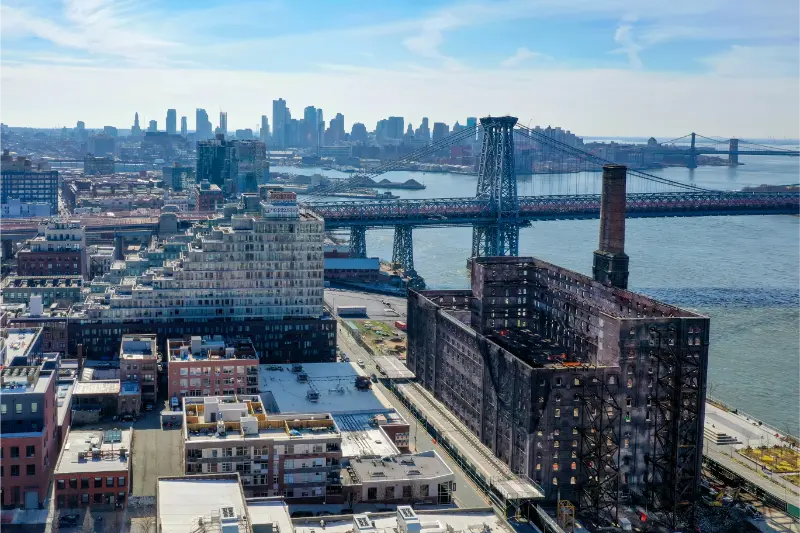
Walk part of Domino Park and the East River waterfront, then decide whether to continue north toward Greenpoint. Greenpoint feels less concentrated around visitor sights and more residential, which is exactly why many repeat visitors enjoy it.
If you are already spending evenings in Williamsburg, do not over-schedule the afternoon. This is a neighborhood where a market, bakery, record store or bar can become the best part of the day.
Day 3: Prospect Park, museums and brownstone Brooklyn
Use the third day for Prospect Park and one or two nearby cultural stops. The Brooklyn Museum and Brooklyn Botanic Garden sit next to each other, making them easy to combine without another long transfer. Prospect Park gives the day outdoor space and is particularly useful for families.
Park Slope and Prospect Heights work well for lunch or dinner. If you like architecture and residential neighborhoods, walk several brownstone blocks instead of jumping immediately onto the subway after the museum.
What about Coney Island?
Coney Island is worth adding when the season, weather and your interests fit. It is not geographically close to DUMBO or Williamsburg, so treat it as a separate half-day or day rather than an extra stop. In summer, the boardwalk and beach create a completely different Brooklyn experience. Outside peak season, check operating calendars before traveling for specific rides or attractions.
Using the subway in Brooklyn
The borough is large enough that “Brooklyn” is not a useful transport destination. Always route to the exact neighborhood and station. Some lines that look close on a map do not create simple east-west connections, and many trips are easier through Manhattan than by trying to travel directly across Brooklyn.
OMNY works on the subway and local buses. The 2026 base fare is $3, and the rolling seven-day fare cap is $35 when you consistently use the same eligible payment method. See the full NYC subway guide before your first ride.
Where to stay in Brooklyn
Brooklyn Heights/Downtown Brooklyn is the easiest Brooklyn base for many first-time visitors because multiple subway lines reach Manhattan quickly. Williamsburg is better for visitors who prioritize nightlife, restaurants and north Brooklyn. Other neighborhoods can offer better value but create more daily travel.
If Brooklyn is your main base, map three sample trips before booking: Midtown, Lower Manhattan and your airport. A charming room that requires two transfers every day may not be good value.
You can compare Brooklyn accommodation here. Also read our where to stay in New York City guide.
Eating in Brooklyn without chasing a single famous restaurant
Brooklyn is one of the worst places to build a food plan entirely from viral recommendations. Excellent pizza, bakeries, Caribbean food, Eastern European food, Middle Eastern restaurants, modern cafés and neighborhood institutions are spread across the borough. Choose food that fits the route rather than commuting an hour for one plate.
For a three-day visit, I would deliberately eat in three different areas: waterfront Brooklyn, Williamsburg/Greenpoint and the Prospect Park side. That naturally gives you variety.
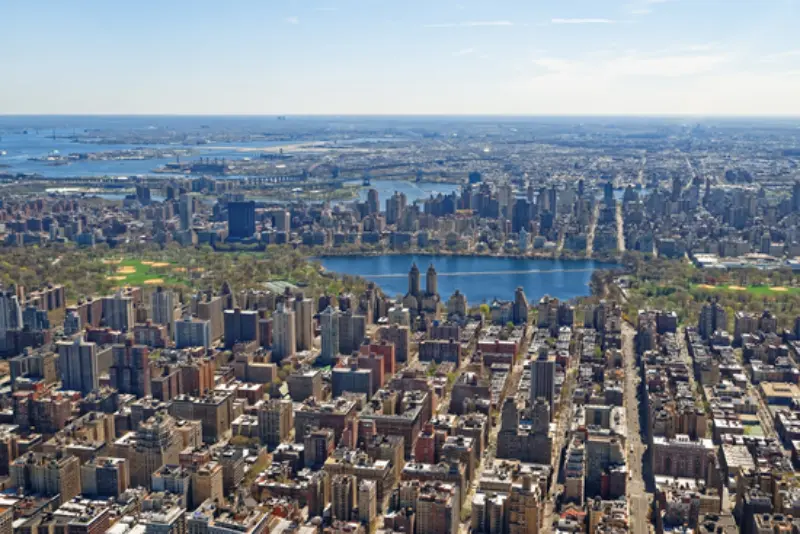
Brooklyn Bridge: best practical tips
- Go early if photos and comfortable walking matter.
- Do not stop suddenly in the main flow of pedestrians.
- Weather on the bridge can feel colder, hotter or windier than street level.
- Walking one direction is enough for most visitors; use the subway for the return if your day continues elsewhere.
- Do not schedule the bridge immediately before a timed reservation with no buffer.
Brooklyn with children
Prospect Park, the waterfront piers and open spaces make Brooklyn easy to combine with structured city sightseeing. Instead of taking children through three museums in a row, alternate one indoor attraction with outdoor movement. The subway can be more difficult with a stroller at stations without elevators, so check accessibility.
The USA with kids guide has broader family-travel planning.
How Brooklyn fits into a first New York itinerary
If you have only three days in New York City total, spend one substantial day in Brooklyn rather than trying to complete this whole three-day Brooklyn plan. If you have five to seven days in New York, two or three Brooklyn days become realistic.
Pair DUMBO/Brooklyn Heights with Lower Manhattan. Pair Williamsburg with the Lower East Side or East Village if you want an evening continuation. Keep Prospect Park and museum day together.
Photography without turning the day into a photo checklist
The classic images are easy to find, but the most memorable Brooklyn photographs often come from ordinary streets: storefronts, stoops, brownstones, waterfront details and the changing skyline. Respect residents and private property. Do not block sidewalks or steps for long photo sessions.
Safety and late evenings
Brooklyn contains many neighborhoods with different rhythms. Use the same awareness you would in any large city: know the station you are returning to, keep valuables controlled and check late-night subway changes. If your accommodation is a long walk from the station, evaluate that walk before booking rather than discovering it after a midnight arrival.
Common mistakes
- Treating DUMBO as the whole borough.
- Trying to combine Coney Island, Williamsburg and Brooklyn Heights in one rushed day.
- Choosing a hotel by borough name instead of exact subway access.
- Crossing the Brooklyn Bridge at the busiest time and expecting an empty photo.
- Using a list of famous food places that requires constant backtracking.
Final advice
Brooklyn rewards slower travel. Give each day one geographic focus, use the subway for the long moves and walk once you arrive. The borough feels most distinctive when you leave enough time between attractions for the streets themselves.
Combine this guide with the New York City first-time visitor guide and the New York airports guide if Brooklyn is your base.
Practical planning checklist before you leave
Re-check every detail that can change: official operating hours, fare or fee pages, reservation requirements, service alerts and the exact address of your accommodation. Save essential confirmations offline and take screenshots of any ticket whose app may require mobile data. Keep one backup payment card separate from your wallet and make sure at least one person in the group can access the key reservations if the primary phone is lost or has a flat battery.
For a first U.S. trip, leave the arrival day lighter than it looks on paper. Immigration, baggage, airport transfers, jet lag and unfamiliar transport can consume more energy than expected. A good itinerary protects the expensive or capacity-limited reservation and leaves ordinary sightseeing flexible. That approach is more useful than adding one extra attraction to every day.
Verify any rule that would have serious consequences if misunderstood. Transport fares, airline baggage policies, driving laws and hotel payment policies can change. Use this article as the planning framework, then confirm the current official source shortly before travel.
How to make the information work in a real itinerary
Build the trip around the parts that are difficult to replace. A timed ticket, airport transfer, long-distance train, specific hotel cancellation deadline or rental-car pickup deserves more attention than an ordinary walk that can move to another afternoon. Put confirmation numbers, addresses and cancellation terms in one offline note so you do not need to search through email when tired or without service.
When two options appear similar, compare the total friction as well as the price. Count transfers, walking with luggage, time spent waiting, the risk of a missed connection and how late you will reach the hotel. The cheapest theoretical option is not always the best value after a long travel day. This is especially important for families, first-time visitors and anyone combining several U.S. regions in one vacation.
Finally, keep a backup plan for the one activity that matters most. Weather, construction, transport disruption and sold-out capacity are normal travel variables. A flexible second choice prevents one change from damaging the whole day and usually produces a calmer trip.