

Myrtle Beach is a destination I would plan around 4 days on a first visit. The goal is not to collect every attraction but to understand the geography early, stay in a useful location and protect enough unstructured time for the place to feel different from the rest of a USA itinerary.
Myrtle Beach is easy to dismiss as only a line of hotels and family attractions, but the wider Grand Strand offers a useful mix of beach time, state parks, gardens, marshes and entertainment. The key is to choose the version of Myrtle Beach you actually want instead of trying to sample every style at once.
Quick planning guide
- Recommended stay: 4 days
- Best time for most visitors: late spring and early autumn for warm beach weather with less intense peak-summer pressure; summer is the busiest family season
- Transport: A car is useful because the Grand Strand is long and many attractions, restaurants and beaches are spread along major roads. If you stay on the central oceanfront and plan a simple beach trip, you can reduce driving, but day trips are much easier with a car.
- Booking strategy: reserve accommodation early for peak weekends and keep weather-sensitive activities flexible when possible.
- Good for: international first-time visitors, couples, families and road trippers who want more than a quick photo stop.
Best time to visit
For most first-time travelers, late spring and early autumn for warm beach weather with less intense peak-summer pressure; summer is the busiest family season. Season affects much more than temperature. It changes daylight, parking, ferry or tour schedules, restaurant hours and how early you need to reserve accommodation.
I also check the local event calendar before booking a non-refundable hotel. A festival, college weekend, holiday, race or major concert can change room prices and traffic even when the weather looks ideal. Shoulder season is often the best balance, but only if the experiences you care about are actually operating.
Whatever month you choose, verify current conditions a few days before arrival. Wildfire smoke, coastal storms, road work, seasonal closures and maintenance can change an American itinerary faster than a printed guidebook can be updated.
Where to stay
For a first visit, I value location more than a small difference in room size. A cheaper hotel can become more expensive when you add parking, fuel, rideshare trips and the time lost returning to the room during the day.
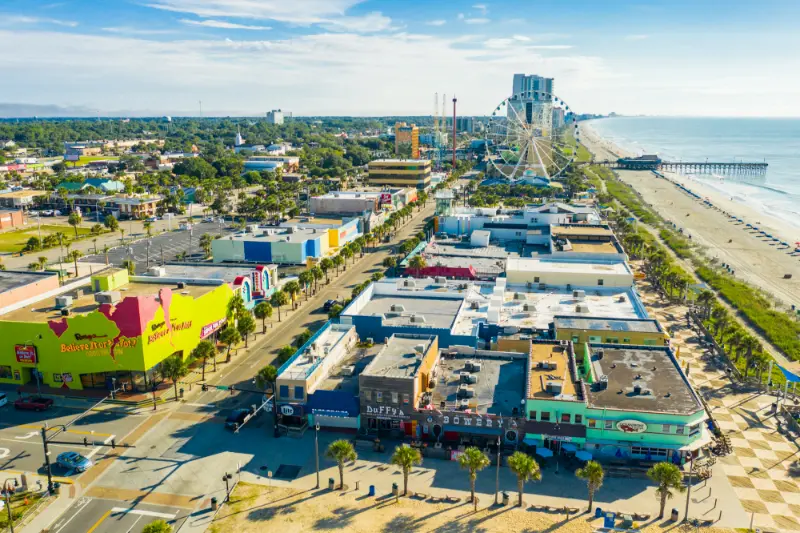
- Central Myrtle Beach: best for boardwalk access and first-time visitors who want activity nearby
- North Myrtle Beach: better for a slightly different resort feel and access to the northern Grand Strand
- Surfside / Garden City: useful for families who prefer a quieter base
- Near Myrtle Beach State Park: good for travelers who prioritize nature over nightlife
Check hotels in Myrtle Beach. When the trip is still months away, a refundable rate is often worth paying slightly more for, especially on weather-sensitive road trips.
Getting around
A car is useful because the Grand Strand is long and many attractions, restaurants and beaches are spread along major roads. If you stay on the central oceanfront and plan a simple beach trip, you can reduce driving, but day trips are much easier with a car.
If you rent a car, photograph it at pickup, understand the fuel policy and check whether your accommodation charges separately for parking. Keep luggage out of sight when the vehicle is parked. Our USA road trip guide covers rental cars, tolls, parking and practical driving issues in more detail.
Best things to do
Protect real beach time
The beach is the main reason to come, so schedule it before indoor attractions. Early morning and late afternoon are usually the easiest times for walking, photos and families who do not want the strongest midday sun.
Walk the boardwalk selectively
The central boardwalk delivers the classic resort atmosphere. Give it an evening rather than building the entire trip around it, especially if you also want quieter coastal experiences.
Spend time at Myrtle Beach State Park
The state park protects maritime forest and a less developed stretch of beach. It is one of the easiest ways to see what the coastline feels like away from the densest hotel strip.
Consider Brookgreen Gardens
Brookgreen Gardens, south of the city, adds sculpture, gardens and Lowcountry landscape to a trip that might otherwise feel dominated by sand and entertainment complexes.
Explore Murrells Inlet
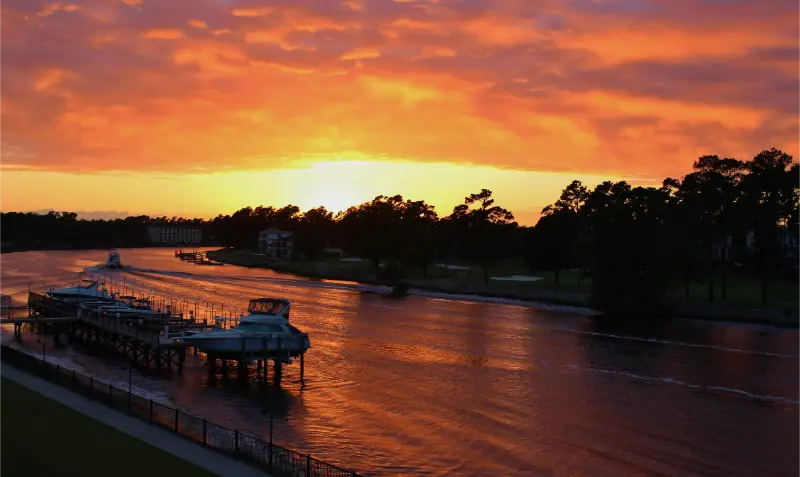
The marshfront area works well for seafood and sunset, and it gives the trip a different rhythm from the central resort district.
Use one family attraction as a weather backup
Mini-golf, aquariums, shows and entertainment centers are everywhere. Choose one based on your family rather than assuming you need to visit several just because they are heavily advertised.
A realistic first-time itinerary
Day 1 – Beach and boardwalk
Keep arrival day simple with beach time and an evening boardwalk walk. Avoid committing to a long ticketed attraction after a travel day.
Day 2 – State park and central attractions
Visit Myrtle Beach State Park early, then return for one family attraction or indoor activity during the warmest part of the day.
Day 3 – Brookgreen Gardens and Murrells Inlet
Drive south for gardens and Lowcountry scenery, then finish with dinner or sunset around Murrells Inlet.
Day 4 – Choose your coast
Use the final day for another beach, North Myrtle Beach, a water activity or simply a slower morning before departure.
Food and local rhythm
Food should help you understand Myrtle Beach rather than become another checklist. I usually reserve only the meal that matters most and leave the others flexible. Markets, bakeries, casual lunch counters, seafood shacks, neighborhood restaurants or regional specialties often become the meals I remember because they fit naturally into the day.
In the United States, portion sizes, tipping and meal timing can differ from what European visitors expect. Do not schedule a formal restaurant immediately after a long outdoor activity if delays are likely, and remember that tax and tip are usually added to the menu price rather than included in it.
How much should you budget?
For Myrtle Beach, accommodation is usually the largest variable and location matters more than it first appears. A room that looks cheaper on the edge of the destination can cost more after parking, fuel, rideshare trips or lost time. I compare the nightly rate together with parking, resort or destination fees, breakfast, and the distance to the places I actually plan to visit.
Food is easier to control. A bakery or simple breakfast, a casual lunch and one sit-down dinner keeps the trip enjoyable without turning every meal into a major expense. Paid attractions should be chosen around your real interests rather than treated like a checklist. Two memorable paid experiences are usually better value than six rushed ones.
Keep a separate contingency amount for weather changes, baggage fees, parking, tips, tolls and an unplanned transport change. That buffer matters more on U.S. road trips because one reroute or extra hotel night can affect several days of the itinerary. For broader estimates, see our USA travel costs guide.
Families, slower travelers and accessibility
Myrtle Beach can work very well for families and for travelers who prefer a slower pace, but the day should be built around energy rather than around the number of attractions. Alternate one structured visit with an outdoor walk, beach, park, market or scenic stop. The destination is very family-oriented, but children usually enjoy the trip more when every day is not filled with ticketed entertainment. Keep beach and pool time protected.
Accessibility varies between historic buildings, beaches, trails, boats and older downtown districts. Check the official accessibility page for the exact places that matter to your trip. In the United States, a destination can be described as walkable while still including steep grades, cobblestones, sand, long parking-lot walks or attractions spread across several disconnected areas.
2026 information worth checking
The official Myrtle Beach State Park page currently lists daily park hours and warns that parking is first-come, first-served and can reach capacity during peak summer periods. Current general admission is listed at $8 for adults, with separate rates for children and South Carolina seniors. Recheck immediately before visiting because hours and fees can change.

How to combine it with a longer USA trip
Myrtle Beach works well with Charleston and Savannah on a longer coastal Southeast itinerary.
For international travelers, open-jaw flights and one-way rentals can reduce backtracking, but compare drop fees and flight prices before assuming they save money. A good U.S. itinerary usually has fewer bases, longer stays and shorter transfer days than the first draft.
Common mistakes to avoid
- Overfilling the schedule: leave room for weather, traffic and places you discover after arrival.
- Choosing a hotel only by price: calculate parking and transport before deciding what is really cheaper.
- Ignoring the local event calendar: festivals, college events and holiday weekends can change traffic and hotel prices dramatically.
- Assuming every attraction operates daily: seasonal hours, ferry schedules, tour capacity and maintenance closures are common.
- Missing the character of Myrtle Beach: do not spend the entire visit moving between headline sights without time for neighborhoods, waterfronts, local food or scenic stops.
- Assuming all Grand Strand locations are interchangeable: where you stay can change the entire feel of the trip and the amount of daily driving.
Final thoughts
A strong first trip to Myrtle Beach is not the itinerary with the highest number of stops. It is the one in which the geography makes sense, travel time is realistic and the most important experiences are protected from the usual problems of parking, weather and overplanning.
I would rather leave one attraction for a future visit than spend the final day exhausted. If a destination makes you want to return, that is usually evidence that the first trip had the right pace.