

Sarasota and Siesta Key, Florida deserves more than a quick stop if you want to understand what makes it different from other U.S. destinations. For a first visit, I would plan about 5 days: enough time to see the defining places without turning every day into a race between parking lots.
This guide is built around practical decisions: where to stay, how to move, which experiences need advance planning, what changes by season and how to connect the destination with a longer USA trip. If this is part of your first U.S. vacation, also read the first USA trip planning guide and USA travel costs guide before locking in hotels and transport.
Quick planning summary
- Recommended stay: 5 days
- Best time: Late February through April offers pleasant weather but high demand, while October and November can provide warm conditions with a slower pace. Summer is hot, humid and storm-prone, so mornings are more reliable for beach time.
- Best base: Downtown Sarasota is best for restaurants, culture and a car-light evening. Siesta Key is better if the beach is the main purpose of the trip. Lido Key is a useful middle ground because it connects easily with St. Armands and the free Bay Runner trolley.
- Official information: official visitor information
- Accommodation: compare accommodation options
Why Sarasota and Siesta Key, Florida is worth the trip
Sarasota works because it combines a serious cultural city with barrier-island beaches. The Ringling, downtown arts scene and neighborhoods make it possible to have a full trip even when beach weather is imperfect, while Siesta Key and Lido Key provide very different coastal atmospheres.
The main planning mistake is treating every beach as interchangeable. Siesta is famous for broad quartz sand and a lively village, Lido pairs naturally with St. Armands and downtown, and quieter southern keys reward travelers willing to drive farther.
The point is not to complete a giant list. A strong first trip should give you enough time to understand the geography, spend part of each day outside a vehicle and keep at least one block flexible for weather, traffic or a place you simply want to enjoy longer.
Best time to visit
Late February through April offers pleasant weather but high demand, while October and November can provide warm conditions with a slower pace. Summer is hot, humid and storm-prone, so mornings are more reliable for beach time.
Season matters in the United States because heat, thunderstorms, snow, school holidays and local events can change both the experience and the final cost. Check the forecast again a few days before arrival and move your most weather-sensitive activity to the best day rather than following the original order blindly.
Where to stay
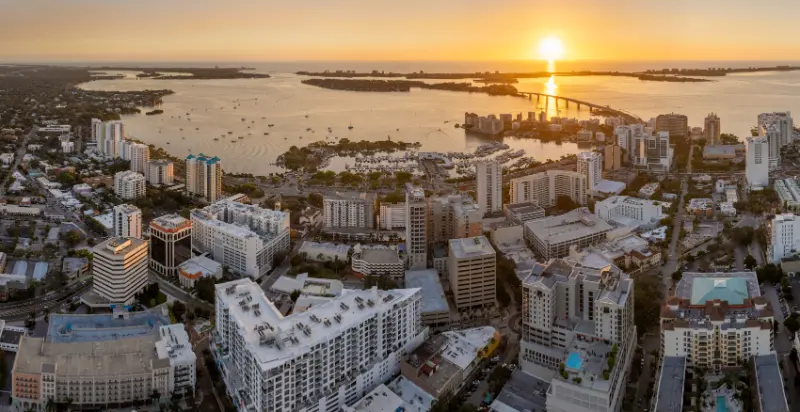
Downtown Sarasota is best for restaurants, culture and a car-light evening. Siesta Key is better if the beach is the main purpose of the trip. Lido Key is a useful middle ground because it connects easily with St. Armands and the free Bay Runner trolley.
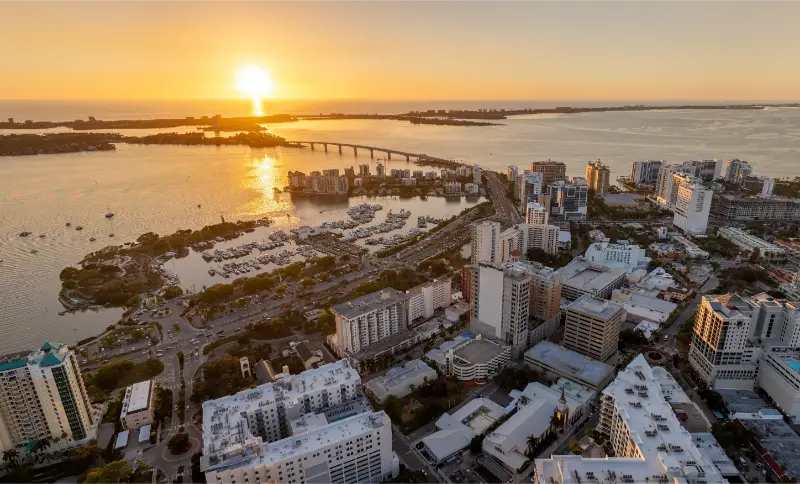
For a first visit, location usually matters more than a long amenities list. A hotel that lets you walk to dinner, leave the car parked or reach the first attraction without crossing the city can be better value than a cheaper room farther away. Use this link to compare accommodation options, then compare the total after taxes, parking and destination fees.
Getting there and getting around
Sarasota-Bradenton International Airport is close to the city. A car is useful for the wider county, but current Breeze transit makes parts of the trip easier without one. The free Bay Runner connects downtown Sarasota with Lido Key, while Siesta Key has its own free Islander trolley.
If this stop belongs to a larger self-drive vacation, the USA road trip guide explains U.S.-specific issues such as rental-car conditions, tolls, parking and long-distance driving. Never judge a transfer only by mileage: weather, construction, scenic stops and meal breaks can make an apparently short route much longer.
Best things to do on a first visit
- Give The Ringling enough time for the museum complex and grounds rather than visiting only for a quick photograph.
- Use downtown Sarasota for an evening when you can walk between dinner, galleries and the waterfront without moving the car.
- Make Siesta Beach an early-morning or late-afternoon anchor during hot months; midday parking and heat can both be more difficult.
- Ride the Bay Runner between downtown and Lido Key if it fits your route, turning transportation into part of the coastal experience.
- Walk St. Armands and Lido on the same day because they combine naturally; do not drive back downtown between them.
- Keep one half-day open for weather changes, because thunderstorms can shift a beach-focused itinerary quickly in summer.
Pick the experiences that explain the place best. If two stops provide almost the same experience, choose one and use the saved time for a neighborhood walk, local meal or unplanned viewpoint. That is usually more memorable than completing a checklist.
A practical 5 days itinerary
- Day 1: Arrive downtown, walk the waterfront and central streets, and keep dinner nearby.
- Day 2: Make The Ringling the cultural anchor, then add a light afternoon rather than another major museum.
- Day 3: Spend most of the day on Siesta Key, arriving early enough to reduce parking stress.
- Day 4: Use the Bay Runner for Lido Key and St. Armands, then return downtown for dinner.
- Day 5: Keep the final day for a second beach, a nature stop or anything weather forced you to move.
Keep the order flexible. Outdoor activities should move to the best weather day, while museums, markets and neighborhoods are useful backups. If you have one day less, remove a complete area rather than cutting every stop so short that none of them becomes meaningful.
What most first-time guides miss
The local trolley network changed in 2026. The free Bay Runner continues between downtown Sarasota and Lido Key. The Siesta Islander remains free, but starting April 25, 2026 it stays on Siesta Key between Siesta Key Village and Turtle Beach rather than running from downtown Sarasota. Older itineraries can therefore give misleading transfer advice.
This is the kind of detail that often determines whether the trip feels easy or frustrating. Save operating information offline, confirm the address of the exact entrance or terminal you need and do not assume that a map pin tells you where parking or check-in actually happens.
How to pace each day
Plan one major experience before lunch and one easier block afterward. This leaves room for a museum that takes longer than expected, a parking delay or a meal you actually want to enjoy. Whenever possible, finish sightseeing in the same area where you plan to eat.
On road-trip days, avoid combining the longest drive with the most physically demanding hike or museum marathon. A little buffer is not wasted time; it is what keeps one delay from ruining the rest of the day.
Food and evening strategy
Sarasota has enough dining variety to avoid crossing bridges only for a restaurant. Downtown works for a polished evening, Siesta Village is convenient after the beach, and St. Armands pairs naturally with Lido. Build meals into the day’s geography instead of repeatedly fighting island traffic.
Remember that U.S. menu prices generally do not show the final amount after tax and tip. If budget matters, compare the whole day—parking, coffee, snacks, dinner and transportation—not only the main attraction ticket. The USA travel costs guide covers the expenses that surprise first-time visitors most often.
Visiting with children
Siesta Beach is an easy family anchor because of its large public-beach setup, while The Ringling can work well if you break the visit into shorter sections. Use trolleys when practical to reduce parking transitions, and protect children from the strongest midday sun with a museum, lunch or hotel break.
For family travel, alternate structured attractions with a place where children can move freely. One museum plus a beach, park or short trail is usually more sustainable than three admission-based attractions in a row. The USA with kids guide covers additional issues such as car seats, room layout and long driving days.
Budget and booking priorities
Book genuinely capacity-limited experiences first: ferries, guided tours, timed museum entries, special launch viewing, popular weekend hotels or anything that would be difficult to replace. Ordinary parks, neighborhoods and flexible beach time should stay movable whenever possible.
Before paying for a cheaper hotel outside the center, add parking and transportation to the comparison. In several U.S. destinations, a slightly more expensive central room can reduce both daily cost and travel fatigue.
What to pack
Comfortable walking shoes, a refillable water bottle, sun protection, a light rain layer and a portable battery belong in almost every version of this trip. Add warmer layers for prairie wind, coastal evenings or heavily air-conditioned museums. Download important maps before rural or wildlife-focused days.
Safety and responsible travel
Keep valuables out of sight in parked vehicles, follow official closures, respect wildlife distances and use marked parking rather than creating a roadside stop because a photograph looks tempting. On beaches and exposed trails, weather and water conditions matter more than an itinerary.
Culturally important neighborhoods, historic sites and small towns are living communities. Use official interpretation, photograph people only appropriately and spend locally when you can. Responsible travel usually produces a better trip as well as a more respectful one.
2026 information to check before you go
Visit Sarasota County’s 2026 transportation information lists the Bay Runner as a free open-air trolley between downtown and Lido Key and confirms the revised Siesta Islander routing from April 25, 2026. Check Breeze Transit before arrival because route numbers and seasonal services can change.
Use the official 2026 planning source shortly before departure. Seasonal transit, restoration work, road construction, weather and special events can change after publication, and those details often affect the trip more than the attraction list itself.
How to connect this trip with other USA itineraries
These existing MyUSAExperience guides are the most natural extensions:
If you are building a longer vacation, the USA itinerary ideas can help decide whether another hotel change is really worthwhile. Fewer bases often create more usable travel time in the United States.
Common mistakes to avoid
- Choosing accommodation by nightly price alone without checking parking, taxes or resort fees.
- Moving the car for every stop when a district can be explored on foot, by bike or by local transit.
- Scheduling every meal and attraction before you know the weather and local event calendar.
- Assuming seasonal trolleys, ferries, tours or visitor centers operate every day of the year.
- Trusting an old blog post for current parking, construction or reservation rules.
- Trying to combine a full city day with a major day trip and enjoying neither properly.
Final thoughts
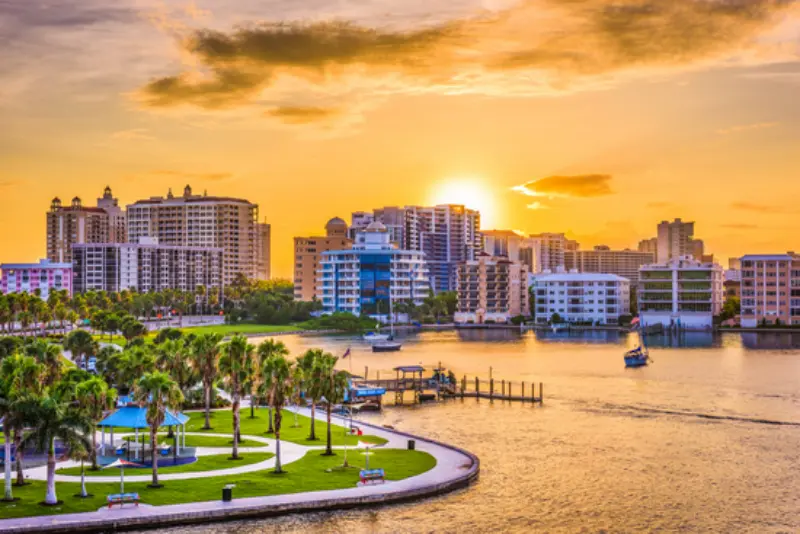
Sarasota and Siesta Key, Florida works best when you plan for its actual scale and rhythm. Choose a practical base, secure only the reservations that truly need advance booking and allow the strongest neighborhood, landscape or museum more time than a checklist originally suggested.
If this is your first trip to the United States, combine this guide with the first USA trip planning guide and getting around the USA guide. The goal is not to see everything. It is to make the days coherent enough that you remember the destination rather than the logistics.