

Lexington and Concord are the most natural history day trip from Boston because the landscape connects directly with the opening battles of the American Revolution on April 19, 1775. The challenge is that Minute Man National Historical Park is linear and spread across multiple towns, so a day trip requires more logistical planning than visiting a single museum.
The National Park Service describes the park as more than 1,000 acres divided into several units across Lexington, Lincoln and Concord. The Battle Road Trail alone runs about five miles from the eastern park area toward Meriam’s Corner. Use NPS directions and transportation rather than assuming one parking lot serves everything.
| Best trip length | Full day |
| Best for | Revolutionary history, walking and scenic New England towns |
| Car needed | Helpful but not absolutely required |
| Key park route | Battle Road Trail, about 5 miles |
| Main stops | Lexington Green area, Minute Man sites, North Bridge, Concord |
Why Lexington and Concord deserve a full day
A quick photo at Lexington Green and North Bridge misses the landscape that connects the events. Battle Road passes fields, woods, historic houses and sites where fighting unfolded as British troops moved back toward Boston. Giving the trip a full day lets you understand distance, terrain and sequence instead of treating the story as two disconnected monuments.
Start in Lexington
Lexington works well as the first orientation point if you are driving from Boston. Spend enough time around the historic center to understand the opening confrontation, then continue toward the Minute Man visitor areas. Do not use the town center as a substitute for the national historical park; they complement each other.
Minute Man Visitor Center
The NPS Minute Man Visitor Center near the eastern entrance provides exhibits and the multimedia “Road to Revolution” presentation. In 2026, the park notes that the visitor center re-opened for the main season in May, while ranger programming is concentrated in the warmer months. Check current Minute Man programs for your date.
Battle Road Trail
The Battle Road Trail is about five miles and follows or parallels sections of the historic route between the Lexington side of the park and Meriam’s Corner in Concord. You do not have to walk the entire five miles. With a car, use selected parking areas for shorter sections around Hartwell Tavern, the Paul Revere Capture Site and other points.
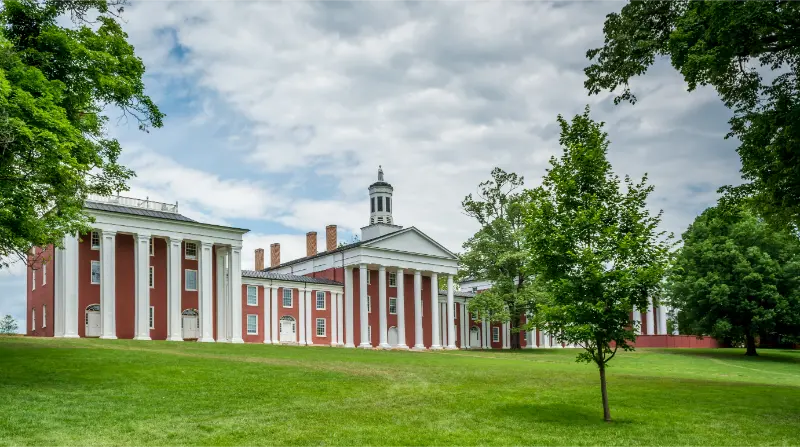
If you do walk a longer section, remember that the logistics are one-way unless you arrange a return. That makes cycling, a two-car group or a mixed transit plan more efficient than simply setting off from one end and hoping the return solves itself.
Hartwell Tavern and the middle of the park
Hartwell Tavern is valuable because it connects military events with ordinary domestic life along the road. Ranger staffing and building access can be seasonal, but the surrounding landscape remains meaningful. This is one of the best places to slow down and look beyond the headline battle sites.
Concord and North Bridge
North Bridge is the emotional anchor for many visitors. The landscape is open and easy to understand on foot, while the nearby visitor center provides orientation. Leave time to walk beyond the bridge and then continue into Concord rather than driving away immediately.
Concord literary history
Concord is not only a Revolutionary War destination. The town is associated with writers including Louisa May Alcott, Ralph Waldo Emerson, Nathaniel Hawthorne and Henry David Thoreau. If literature interests you, the day can expand beyond Minute Man National Historical Park to author homes or Walden Pond, but choose one literary extension instead of adding everything.
Can you do Lexington and Concord without a car?
Yes, but the day needs more planning. NPS notes a combination of Red Line, bus, bicycle or walking options for the Lexington side, while Concord has commuter-rail access. Services and schedules can vary, and some bus routes do not operate every day. A car is simpler for visitors who want to move between multiple park units and town centers.
If you are uncomfortable driving in the Boston area, consider a guided day tour instead of renting a car solely for this trip. The USA road trip driving guide covers rental-car and parking basics for a broader U.S. itinerary.
2026 and the America 250 anniversary
The 250th anniversary period has brought additional programming and attention to Revolutionary-era sites. Minute Man National Historical Park hosted anniversary events through July 2026 and continues regular seasonal programs. For a late-2026 visit, do not assume a special anniversary event is still running; use the current park calendar.
Best time to visit
Late spring and autumn are ideal for walking, but Patriots’ Day events in April can be especially meaningful if you plan well in advance. Summer offers the broadest ranger programming but can be hot. Winter is much quieter and some visitor services close, so the trip becomes more self-guided.
Food and practical stops
Do not expect food services inside every park unit. Carry water and a snack, then use Lexington or Concord for lunch. That creates a useful break between the battlefield landscape and the afternoon historical sites.
Where to stay
Most first-time travelers should keep their hotel in Boston and make this a day trip. If Lexington and Concord begin a longer New England road trip, one night outside the city can reduce backtracking. Compare central Boston lodging through current Boston hotel options and connect the trip with the Boston 3-day itinerary for the city portion.
A realistic driving itinerary
- Leave Boston after breakfast, avoiding the worst possible commute window if you can.
- Start in Lexington for orientation.
- Continue to Minute Man Visitor Center and the eastern Battle Road area.
- Walk one or two selected Battle Road sections rather than all five miles unless hiking is the priority.
- Have lunch in Concord.
- Visit North Bridge and the Concord side of the park.
- Add one literary stop only if time and energy remain, then return to Boston before a late fixed reservation.
How to keep a history-heavy day enjoyable
Lexington and Concord rewards curiosity, but too many plaques and interiors in a row can blur together. I would choose two or three places where you want to go inside and let the rest work as context from the street. A proper lunch, a waterside break or a coffee stop is not wasted time; it helps you remember the stories instead of simply collecting historic names.
Audio guides and ranger programs can add depth, but they also slow the pace. If you are traveling with someone whose interests differ from yours, agree on the must-see stops before starting. That prevents a three-hour historical walk from becoming an all-day commitment for the whole group.
Photography and respectful visiting
Many sites are active churches, memorials, cemeteries or public spaces rather than purpose-built attractions. Follow photography rules, avoid blocking entrances and keep voices low during services or commemorative events. In old burial grounds, remain on the established paths and do not lean on markers for photographs.
Weather, footwear and seasonal changes
Boston weather can change sharply within a day. Cobblestones, brick sidewalks and old stairways become tiring when wet, and summer heat can make an otherwise short walking route feel much longer. Wear shoes with real grip, carry water in warm weather and keep a light waterproof layer available in spring and autumn.
Operating hours for historic interiors can change by season, staffing and special events. The safest approach is to check the official page for the two or three interiors that matter most on the morning of your visit, while treating the outdoor route as flexible.
A practical final checklist
- Save the route and priority stops offline.
- Check official opening hours for interiors on your exact date.
- Keep one meal break unscheduled so delays do not create stress.
- Carry water and use comfortable shoes with grip.
- Use public transportation instead of moving a car between central Boston stops.
Planning the morning
Start with the part of the day that is least flexible: an opening time, a tour, or the outdoor section that benefits most from good weather. Boston is easier when the first two hours have a clear purpose and the afternoon remains adjustable. Save the exact address of the first stop offline and know which subway exit puts you on the correct side of a large intersection.
Planning the afternoon
After lunch, reduce rather than increase complexity. One neighborhood plus one attraction is usually enough. If you are behind schedule, remove the least important stop instead of shortening every remaining visit. That protects the quality of the day and prevents the final hours from becoming a sequence of rushed entrances.
Evening strategy
Boston evenings can be relaxed without a formal attraction. A neighborhood meal, a short waterfront walk, a baseball game or a return through illuminated historic streets can be more satisfying than adding another museum. Check the final subway or commuter-rail options if you are staying outside the core, and keep a rideshare backup for very late returns.
Using official information
For any attraction with tickets, seasonal access or security screening, verify the official page again within 24–48 hours of the visit. Construction, private events and staffing changes can affect opening hours even when an older guide is otherwise accurate. Screenshot confirmations and keep the attraction address with the ticket so you are not searching for it on the street.