

Broadway is one of the most recognizable entertainment experiences in the United States, but theater travel goes far beyond Times Square. Broadway tours visit major performing arts centers across the country, regional theaters produce excellent work, and cities such as Chicago, Boston, Washington, San Francisco and Los Angeles have strong theater calendars. For a traveler, the main questions are where to buy safely, how to understand seat maps, how early to arrive and how much time to leave around the performance.
This guide is written for travelers who want to add Broadway and theater to a wider USA itinerary without turning one evening or event into a logistical problem. Rules can vary by city, venue and organizer, so the final check should always be the current official event page.
Where this experience fits best in a USA trip
In New York, Broadway theaters are concentrated in and around the Theater District, making it easy to combine a matinee or evening show with Midtown sightseeing. Touring productions can be more convenient on a wider USA itinerary because they bring major musicals and plays to cities you may already be visiting. Broadway.org, presented by The Broadway League, lists current Broadway shows and national tours and links to official ticket sources.
Before committing, compare the event location with your hotel, the rest of the day and the transport available after the event ends. In the United States, a venue that appears close on a map can still be inconvenient because of highways, parking design, rail schedules or post-event traffic.
Tickets, reservations and booking safely
Buy through the production, theater or official channel linked by a trusted industry source. Broadway.org specifically directs visitors to official theater ticketing offices and notes that box-office purchases can avoid some online and telephone fees. Premium seats and dynamic pricing can make popular dates expensive, but a higher price is not always a better view. Compare mezzanine, orchestra and balcony layouts and use the theater’s own accessibility notes before selecting.
Keep the confirmation email and order number until the event is over. If tickets are mobile, add them to the appropriate wallet or official app while you still have reliable Wi-Fi. When resale is necessary, prefer the official resale channel or a platform clearly recognized by the venue. The same basic precautions described in the USA ticket-buying guide apply to entertainment events as well as sports.
Entry rules, ID, bags and security
Theater security is usually simpler than stadium security, but bag size, coat check and late-seating policies vary. Arrive 30-45 minutes early for a first visit so you can find the entrance, use the restroom and locate the seat without rushing. If your ticket is mobile, load it before entering the congested block around the theater. Do not assume late arrivals can enter immediately; some productions hold guests until a suitable break.
Venue rules are operational rather than theoretical: security staff at the door work from the current event policy. Check the official FAQ within 24 hours of the event, especially for bags, cameras, water bottles, umbrellas, strollers, medication and re-entry. International travelers should not assume that a digital copy of identification is accepted when a venue requests physical government-issued ID.
What the experience is actually like
A front-row seat can involve looking upward, while the center mezzanine can offer an excellent full-stage view. Very large musicals may benefit from a slightly wider perspective. For plays, facial detail can matter more. Read the listed running time and whether there is an intermission before planning dinner or transport. Matinees are useful when you want an evening free for another activity or when traveling with children.
Give yourself permission to enjoy the event rather than documenting every minute. Bright phone screens, constant filming and moving in and out of a row can affect other guests. U.S. venues increasingly use specific recording policies, and performers or events can impose stricter rules than the building normally uses.
Food, drink and tipping
Food inside theaters is limited compared with arenas. Plan meals before or after the show and allow enough time for restaurant service. In New York, pre-theater dining peaks early, so reservations can be useful. Do not bring strong-smelling food into the auditorium. If drinks are permitted at the seat, use the approved container and keep movement to a minimum during the performance.
For general restaurant and tipping expectations outside the venue, the USA eating-out guide is useful. Inside an event, the organizer’s own service charges, cashless rules and gratuity prompts may differ. Check whether the venue is card-only before arriving with cash as your only payment method.
Getting there and getting back
Theater districts often have excellent public transport, and that is usually easier than parking. In New York, subway and walking can avoid Midtown traffic; elsewhere, performing arts centers may have adjacent garages that empty slowly after the show. Check the final transit departure for a long evening performance. If using rideshare, walk one or two blocks away from the theater exit when local rules and safety permit rather than joining the densest pickup area.
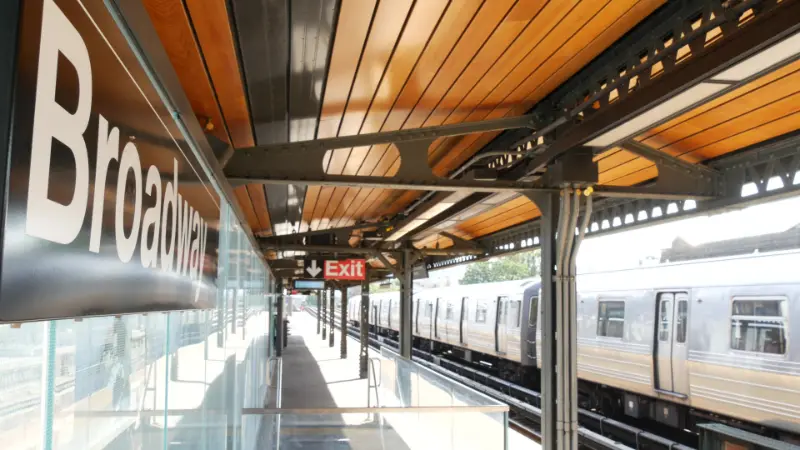
The return journey deserves as much planning as arrival. Save the last train or bus time, official rideshare zone and hotel address offline. If you are driving, photograph the parking level and entrance. Event traffic is one of the most common reasons a simple evening becomes stressful, particularly when a large crowd leaves at the same moment.
Accessibility and different needs
Broadway.org links to TheatreAccess.NYC for detailed accessibility information, and many touring venues publish wheelchair locations, assistive listening, captioning, audio description or sensory-friendly performances. Needs should be checked at the exact theater because historic buildings can have stairs, narrow elevators or limited accessible seating. Buy the correct accessible location at the start rather than expecting staff to move a resale ticket later.
For broader trip planning, see the accessible travel guide. For the event itself, contact the venue or organizer directly. Accessible seating, companion policies, sensory accommodations, medication procedures and service-animal routes are specific to the building and sometimes to the production.
Is it suitable for families?
Age recommendations vary by show. A production that is family-friendly in content can still be long, loud or visually intense. Check the minimum age and whether every child needs a ticket. Matinees generally work better for younger visitors. Explain that talking, bright phone screens and repeated trips out of the row disturb both performers and other guests.
Even when an event is technically all-ages, duration, noise, crowd density and the trip home can make it unsuitable for a particular child. Build the plan around the child’s real tolerance rather than the advertised age rule alone. A shorter or earlier version of the experience is often a better first introduction.
How much to budget
Ticket price is the main expense, but service fees, transport, dinner and souvenirs can add substantially. Flexible travelers should compare weekdays, matinees and different seating levels. Same-day discount options exist in some cities, but they are not a dependable strategy for a must-see production. If a specific show is the reason for the trip, secure the ticket before committing to non-refundable travel.
Use the USA travel-cost guide for the wider vacation budget and calculate the event as a separate line item. Include ticket fees, local transport, parking, food, required purchases and the possibility of higher accommodation rates on major event weekends. Avoid treating gambling winnings, last-minute resale or hoped-for discounts as part of the base budget.
Safety and personal security
Theater districts are busy before and after shows. Keep bags closed, avoid standing in vehicle lanes while checking maps and choose a clear meeting point if your party separates. After a late performance, stay on active streets and use established transport options. Emergency procedures are venue-specific; follow staff instructions rather than trying to leave through an unfamiliar backstage or service area.
For a genuine emergency, 911 remains the core U.S. emergency number; the emergency numbers guide explains other useful services. At crowded events, the simplest safety habits matter: keep your phone charged, identify exits, limit valuables and agree on a physical meeting point rather than relying completely on mobile service.
How to fit it into the itinerary
A matinee fits well after a relaxed morning and can be followed by dinner. An evening performance should not be combined with an attraction that closes late across town. Leave at least an hour between a timed afternoon activity and curtain when transport is involved. On the day after a long show, there is usually no need for special recovery time, but an early flight after a midnight hotel return is still poor planning.
A good rule is to protect the event with schedule buffer on both sides. Do not book a tight flight connection, long road transfer or expensive timed attraction immediately before something you would be disappointed to miss. If the event is the primary reason for the trip, arrive in the destination early enough to absorb a transport delay.
Common mistakes to avoid
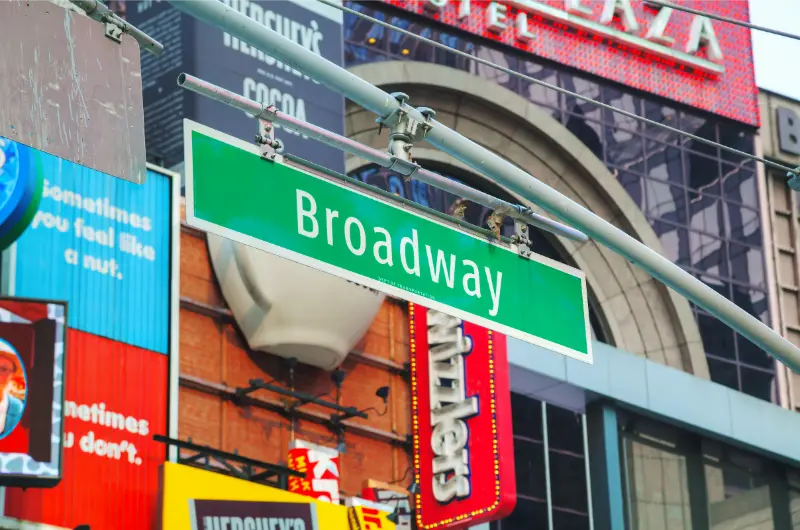
Frequent mistakes include buying from a search ad instead of an official seller, assuming the most expensive seat is automatically best, arriving after curtain, booking dinner too close to show time and choosing a child’s ticket without checking age guidance. Another is confusing Broadway in New York with a touring production in another city when comparing dates.
- Buying from a link that is not clearly connected to the official venue or organizer.
- Ignoring bag, age or ID rules until reaching security.
- Planning only the arrival and not the post-event transport.
- Assuming policies from another city or venue apply here.
- Scheduling an early departure after a late event without realistic sleep time.
Useful planning links inside MyUSAExperience
For a first U.S. vacation, start with the step-by-step USA trip planner. Depending on the event, also use these related guides: safe ticket-buying guide accessible travel guide USA restaurant etiquette guide. These internal guides cover payments, safety, accessibility, budgeting and ticket habits that apply across many different U.S. destinations.
Official information to check before you go
Broadway.org is The Broadway League’s official online source for Broadway in New York and national touring productions, with links to official ticket channels and theater information. Use the Broadway.org from The Broadway League as a current reference, then follow the official page for the exact event, venue or organizer you are visiting. Event rules, times and prices can change even after the initial booking.
A 48-hour event checklist
Two days before: confirm the ticket or reservation, check the venue address, review the bag and ID rules, download the ticket and look at the return transport. If the event is outdoors, check the forecast and any organizer alerts.
The day before: charge your phone and backup battery, save confirmation numbers, decide what you will wear and remove unnecessary items from your bag. Confirm restaurant or parking reservations and make sure every person in the group knows the meeting point.
On the day: re-check the event page for schedule changes, eat and hydrate before a long event, leave earlier than normal traffic estimates suggest and keep enough battery for entry plus the journey home. If something changes, use the venue’s official communication rather than an old social-media comment.
Final advice
The best U.S. entertainment experiences feel spontaneous only because the practical details were handled beforehand. Buy through a trustworthy channel, understand the entry rules, know how you are getting home and leave enough time around the event. Then the focus can stay on Broadway and theater rather than on a dead phone, the wrong bag, an inaccessible entrance or a transport problem after midnight.