

Atlanta is much easier to enjoy once you stop thinking of it as a single downtown sightseeing zone. The city is a collection of distinct neighborhoods connected by MARTA, highways, trails and a strong food culture. Downtown has several famous attractions, but Atlanta’s personality becomes clearer when you add Sweet Auburn, the BeltLine, Midtown, Old Fourth Ward and at least one neighborhood beyond the convention district.
For a first visit I would split the trip between history, major attractions and neighborhood time. Atlanta can be a destination on its own or a gateway into the Southeast. It pairs well with Charleston and Savannah or with the new Asheville and Blue Ridge Parkway guide in this block.
Planning this trip at a glance
- Ideal first stay: 3 to 4 days
- Best for: history, families, food, sports and city neighborhoods
- Car needed?: not essential for central areas; useful for outer neighborhoods and regional side trips
- Best base: Downtown, Midtown or Old Fourth Ward
- Airport: Hartsfield-Jackson Atlanta International Airport (ATL)
Atlanta traffic can make a short distance take much longer than expected. Group each day geographically and use MARTA when it matches your route rather than automatically calling a car for every journey.
How many days do you need in Atlanta?
Two days is enough for a concentrated first look, but you will probably choose between major attractions and neighborhoods. Three days gives you room for civil rights history, Downtown and the BeltLine. Four days is better for families because large attractions such as the Georgia Aquarium can absorb half a day on their own.
If you are arriving internationally through ATL, do not assume a long connection is a practical city visit. The airport is efficient by American standards and has rail access, but immigration, baggage and security can consume a large part of a short layover.
Best time to visit Atlanta
Spring and autumn are generally the easiest seasons for walking and patio time. Spring flowers and mild temperatures are attractive, though pollen can be intense. Autumn often has comfortable weather and works well for combining the city with mountain or Southeast road trips.
Summer is hot and humid, but Atlanta has enough indoor attractions to make a visit workable. Winter is variable and usually less crowded, with occasional cold snaps. Major sports, concerts and convention weekends can affect hotel prices at any time of year.
Where to stay
Downtown is practical for the aquarium, Centennial Olympic Park and convention-center attractions. It is convenient for a first short stay, though some blocks become quieter at night. Midtown offers a stronger mix of restaurants, parks, culture and MARTA access.
Old Fourth Ward and areas near the BeltLine suit travelers who value neighborhood restaurants and evening atmosphere. Before booking, check the actual walking route to a MARTA station rather than judging only by straight-line distance on a map.
Getting around Atlanta
MARTA rail is especially useful for the airport, Downtown, Midtown and several other central areas. It will not reach every neighborhood attraction, so a mixed strategy—rail plus walking plus occasional rideshare—often works better than renting a car for the whole visit.
If you are road-tripping, leave the car parked during central sightseeing whenever possible. Hotel and attraction parking can add up, and rush-hour congestion is real. Use the wider USA transportation guide if Atlanta is only one stop on a multi-city trip.
Best things to do in Atlanta
Spend time at the Martin Luther King Jr. National Historical Park
Sweet Auburn is essential to understanding Atlanta. The historical park, King Center and surrounding neighborhood connect civil rights history to real streets rather than an isolated museum building. Check NPS access information before visiting because individual buildings and tours can have capacity limits or restoration-related changes.

Choose your Downtown attractions strategically
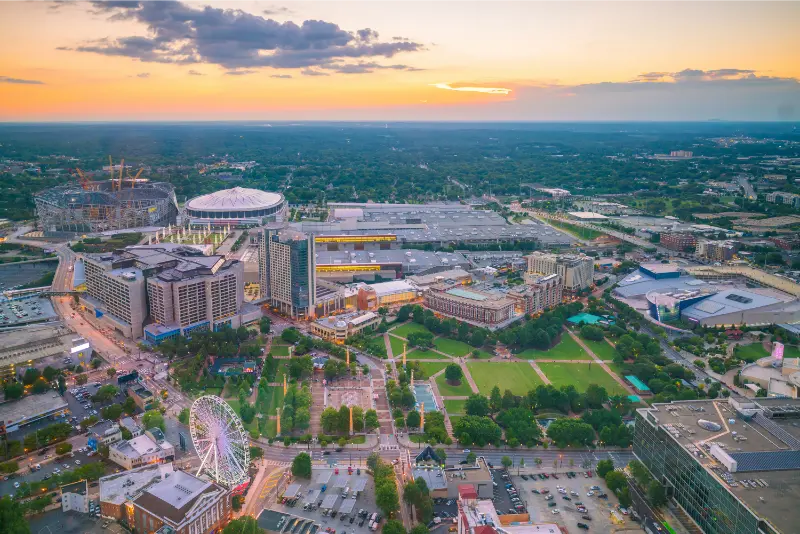
Georgia Aquarium, World of Coca-Cola and the College Football Hall of Fame sit close together, but doing all of them in one day can feel like an indoor marathon. Choose the attractions that genuinely suit your group. Families may prioritize the aquarium; sports fans may make a different choice. Centennial Olympic Park gives you a free outdoor break between them.
Walk the Atlanta BeltLine Eastside Trail
The BeltLine is one of the best ways to see contemporary Atlanta. The Eastside Trail links neighborhoods, public art, restaurants and markets in a way that feels very different from Downtown. Walk only the section that fits your day instead of treating the full system as a single attraction.
Visit Ponce City Market and Old Fourth Ward
Ponce City Market is useful as a meal and neighborhood anchor rather than just a shopping stop. Pair it with the BeltLine and nearby streets. The combination works especially well in the late afternoon when you can walk, eat and continue into the evening without moving the car.
Spend time in Piedmont Park and Midtown
Piedmont Park gives Atlanta breathing space and skyline views, while Midtown adds the High Museum of Art and cultural venues. This is a good day when you want fewer blockbuster attractions and more city atmosphere.

Explore Atlanta’s Black history beyond one site
Atlanta’s role in Black culture, education, politics, business and the civil rights movement cannot be reduced to a single museum. Use official visitor resources and neighborhood guides to add institutions, churches, colleges and cultural sites that match your interests.
Eat across neighborhoods
Atlanta’s food scene is a reason to move beyond Downtown. Buford Highway, West Midtown, Old Fourth Ward and other areas offer very different dining experiences. Do not try to cover the entire metro area; choose one food-focused neighborhood that fits the rest of your route.
Consider a sports or event night
Atlanta has major professional sports, concerts and frequent conventions. An event can be one of the easiest ways to experience the city with local energy, but it can also affect traffic and hotel prices. Check the calendar before locking in the rest of the itinerary.
Where to eat and what to try
Atlanta is a city where planning one or two destination meals makes sense, but neighborhood exploration is equally valuable. Southern food is part of the picture, yet the metro area’s international communities make the restaurant scene much broader than a traditional regional menu.
For a short trip, match food to geography. Eat near the BeltLine on the day you walk it, choose Midtown on a museum day and avoid crossing the city solely for a restaurant unless it is truly important to you.
A realistic 4-day Atlanta itinerary
- Day 1 – Downtown: Start around Centennial Olympic Park, choose one or two major attractions and finish with dinner in Downtown or nearby.
- Day 2 – Civil rights history and Old Fourth Ward: Spend the morning around Sweet Auburn and the Martin Luther King Jr. sites, then continue toward Old Fourth Ward and the BeltLine.
- Day 3 – Midtown: Combine Piedmont Park with the High Museum or another cultural attraction, then enjoy an evening in Midtown.
- Day 4 – Neighborhood choice: Explore a food-focused area, visit an additional museum, attend a sports event or use a car for a regional excursion.
If you have only three days, keep Downtown to the attractions you care about most and do not sacrifice the neighborhood day. Atlanta becomes far more interesting when you see at least one part of the city that is not built primarily for visitors.
Budget, reservations and practical planning
The official Discover Atlanta site publishes current attraction and event information, including 2026 programming. Major events can make a huge difference to hotel availability, so search your exact dates before booking a non-refundable room.
MARTA is useful but not universal. Look up the exact first and last segment of each journey, especially at night. A hotel that appears “near transit” may still involve an uncomfortable walk across large roads or parking structures.
Mistakes I would avoid
- Staying only Downtown: Downtown is useful, but not the whole Atlanta experience.
- Trying to drive everywhere at rush hour: geography and traffic should shape the itinerary.
- Booking three large attractions back to back: leave time for neighborhoods and parks.
- Ignoring the event calendar: conventions and games can transform prices and traffic.
- Thinking Southern food is the only local food story: Atlanta’s international dining is a major part of the city.
How to fit this into a bigger USA trip
Atlanta is a logical gateway to the mountains of North Carolina and the Blue Ridge Parkway. It can also start a deeper Southeast road trip toward Savannah and Charleston; use our Charleston and Savannah itinerary for that coastal direction.
If you are deciding how many regions to include in one vacation, the first USA trip planning guide explains why fewer bases usually create a better experience than adding flights simply to increase the number of states visited.
Final thoughts
Atlanta works when you treat it as a network of neighborhoods rather than a single attraction district. Use transit where it helps, protect time for civil rights history, add the BeltLine and Midtown, and let food pull you into one area you would not otherwise see. Four days gives the city enough room to show its complexity.