

New England is one of the most satisfying U.S. regions for a road trip because historic cities, small towns, mountains and Atlantic coastline sit relatively close together. The distances are shorter than in the West, but that does not mean you should move hotels every night. Boston deserves several days without a car, while Maine, New Hampshire and Vermont are better explored slowly. I would build a first New England trip around contrast: urban history in Boston, coastal scenery in Maine and at least one mountain or countryside section inland.

How many days do you need?
One week works for Boston plus a focused coastal extension, but ten to fourteen days is far better for a broader loop. With ten days, you can spend three nights in Boston, continue to coastal Maine, cross into New Hampshire and return through Vermont or western Massachusetts without constant rushing.
Autumn foliage trips need even more flexibility because traffic, weekend demand and weather can slow travel. A route that looks easy on mileage can become a full day when every village and overlook invites a stop.
Start in Boston without a rental car
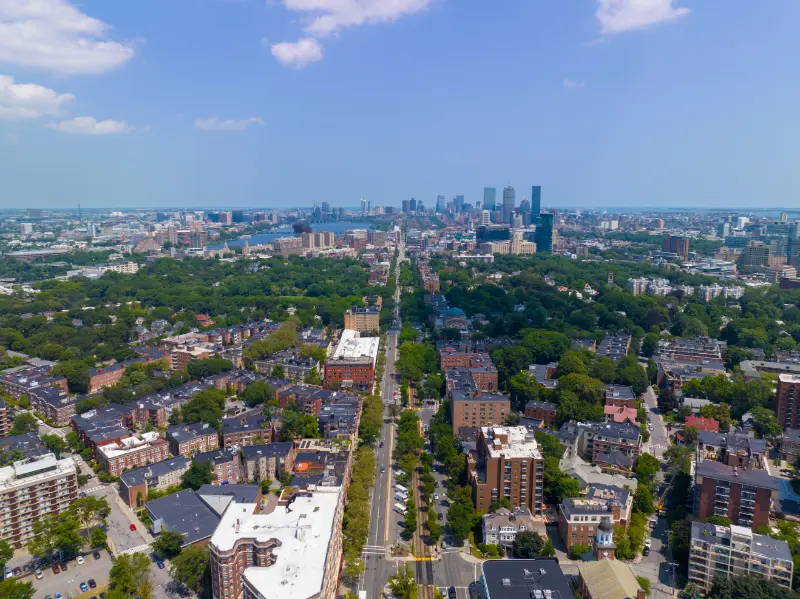
Boston is compact by U.S. standards and has useful public transport, so I would not collect a rental car at the airport unless the road trip begins immediately. Spend two or three full days exploring the city on foot and by transit, then pick up the car when leaving. This saves parking costs and reduces stress.
Central neighborhoods such as Back Bay, Beacon Hill, Downtown and the waterfront are practical for first-time visitors. Cambridge is also easy to reach and adds a different atmosphere around Harvard and MIT.
Freedom Trail and historic Boston
The Freedom Trail links many of the city’s most important historic sites, but it is more rewarding when treated as a framework rather than a race to every marker. Choose the churches, meeting houses, burial grounds or museums that genuinely interest you and allow time for the streets between them.
Boston’s history is dense enough that a guided walking tour can add context, while independent travelers can use official site information and museum interpretation. Wear comfortable shoes: brick sidewalks and uneven historic streets can be tiring after several hours.
Drive north toward the Massachusetts coast and Maine
After Boston, the coastline north through Cape Ann and toward Maine can form the first road-trip segment. Salem has maritime and witch-trial history but becomes extremely busy around October. Gloucester and Rockport provide a different coastal atmosphere, while Maine gradually becomes more rugged.
Do not assume every coastal town requires an overnight. Choose a few bases and make day trips. This keeps the itinerary from becoming a daily cycle of packing and check-in times.
Portland and the southern Maine coast
Portland, Maine, is a strong first base for food, waterfront walks and short drives to lighthouses and smaller coastal communities. It is compact enough to explore without a full day of driving but large enough to provide restaurant and hotel choice.
Summer and early autumn weekends can be expensive. Book early if your dates are fixed, and compare staying slightly outside the historic center if parking is important. Coastal fog and rain are part of the region, so keep one indoor or flexible option.
Acadia National Park
Acadia is the obvious national-park addition to a New England trip, but it is farther from Boston than many first-time planners realize. Bar Harbor is the main visitor base, and the park can be busy in summer and foliage season. Some roads or specific experiences may have reservation requirements, so check the official Acadia planning page before travel.
Give the area at least two nights, preferably three, if hiking and sunrise or sunset are priorities. A single rushed day between long drives does not show why Acadia is special.
New Hampshire and the White Mountains
New Hampshire changes the road-trip mood from coast to mountains. The White Mountains offer scenic drives, hiking and classic New England towns. The Kancamagus Highway is famous for autumn foliage, but it can be crowded at peak color and has limited services compared with urban areas.
Fuel early, download maps and keep expectations flexible during foliage season. Color timing changes each year by elevation and weather, so no exact week guarantees peak conditions everywhere.
Vermont: slower roads, smaller towns
Vermont works best when you accept a slower pace. Stowe, Woodstock, the Green Mountains and smaller villages are more about scenic roads, food stops and atmosphere than a long attraction checklist. Driving time can increase because routes are winding and you will want to stop often.
Choose one part of Vermont rather than trying to cover the whole state in two days. A focused route gives more time for covered bridges, farm shops, short hikes and unplanned viewpoints.
When to visit New England
Summer offers the broadest access to coastline, islands and mountain trails. Early autumn brings cooler weather and foliage, but also high demand. Spring can be quiet but variable, with muddy trails and some seasonal businesses not yet fully open. Winter turns the region into a very different trip focused on cities, snow sports and cold-weather scenery.
If fall color is the main reason for travel, build flexibility into the route rather than booking every hour. The USA month-by-month guide provides broader seasonal context.
Driving and tolls in New England
Roads are generally straightforward, but Boston traffic, toll systems, parking in historic towns and weekend congestion require planning. Rental-car toll programs can add administrative fees, so understand how your company handles electronic tolls before leaving the counter.
Parking can be limited in coastal towns and at popular trailheads. Early starts are useful, especially on peak summer and autumn weekends. The USA road trip guide covers the broader rental and driving issues.
A 12-day first New England itinerary
- Days 1–3: Boston and Cambridge
- Day 4: Salem, Cape Ann or coastal Massachusetts
- Days 5–6: Portland and southern Maine
- Days 7–8: Acadia National Park and Bar Harbor
- Day 9: drive toward the White Mountains
- Day 10: New Hampshire scenic day
- Day 11: Vermont town and countryside route
- Day 12: return toward Boston or continue west
If you prefer fewer hotel changes, skip Vermont or Acadia and spend longer in the remaining areas. New England is flexible enough to create a strong trip without covering every state.
New England with children
Families can combine hands-on museums, parks, beaches, easy walks, boat trips and small-town stops. The region’s shorter driving distances are helpful, but historic sites can become repetitive for younger children if every day focuses on museums.
Alternate history with outdoor time. A harbor cruise, lighthouse, beach or mountain gondola can reset the pace and make the next city day easier.
What I would book first
For summer or peak foliage travel, I would book Acadia or Bar Harbor lodging first, then small-town weekends and finally Boston. Rental cars should be reserved early when one-way or larger family vehicles are needed.

Keep the route adaptable. Weather, foliage timing and traffic may make a different coastal stop or mountain road more appealing than the original plan. New England rewards that flexibility.
Related USA travel guides
Extra practical planning notes
For an autumn trip, I would avoid chasing “peak foliage” across hundreds of miles based on one online map. Color changes gradually and locally; a strong trip should still work if one region is early or late. Scenic roads, historic towns and coastal landscapes remain worthwhile even when leaf color is not perfect.
New England also rewards advance restaurant planning in small towns. Kitchens may close earlier than visitors expect, especially outside major cities and outside peak season. After a long driving day, having one realistic dinner option near the hotel is more useful than a list of famous places an hour away.
How I would keep this trip realistic
For a New England road trip itinerary, I would protect at least half a day with no fixed ticket. Travel time, parking, weather and fatigue regularly consume more time than maps suggest. That flexible block can absorb a delay or become the place where you revisit the neighborhood, viewpoint or meal you enjoyed most.
I would also keep reservation numbers, hotel addresses, driving notes and official alert pages in one offline document. This is especially useful in the United States because mobile coverage can change quickly between cities and rural areas. A little organization before departure creates more freedom once the trip begins.
Finally, I would avoid adding a distant attraction only because it is famous. A better itinerary uses geographic logic, shortens unnecessary transfers and creates time for the place itself. The strongest travel memories usually come from a well-paced day, not from the largest possible number of stops.
Before finalizing the day-by-day schedule, I would also check opening days, seasonal hours and the time of the last realistic return to the hotel. Small operational details can matter more than another attraction on the list. Keeping one nearby alternative for each major day makes the itinerary resilient when weather, maintenance or crowds change the original plan.