

Buffalo is a destination I would plan deliberately rather than simply adding to a longer U.S. itinerary because it happens to be on the map. For a first visit, 4 days gives you enough time to understand the place without turning every morning into a race between reservations.
The practical approach is to choose a well-located base, group sights by neighborhood or geographic zone, and leave at least one flexible block for weather, local recommendations or a place you discover after arrival. That is especially important in the United States, where parking, road distance and attraction hours can make an apparently simple day much longer than expected.
Quick planning guide
- Recommended stay: 4 days
- Best time: May through October for waterfront time, architecture walks and day trips. Winter has a strong local identity but requires real flexibility for snow and travel disruptions.
- Best base: Downtown for transit and waterfront access, or Elmwood Village if you prefer neighborhood restaurants and a more residential evening atmosphere. Either works well for a first trip if you plan Niagara Falls as a separate day.
- Where to stay: compare accommodation options
- Official planning: check current visitor information
Why this destination is worth the trip
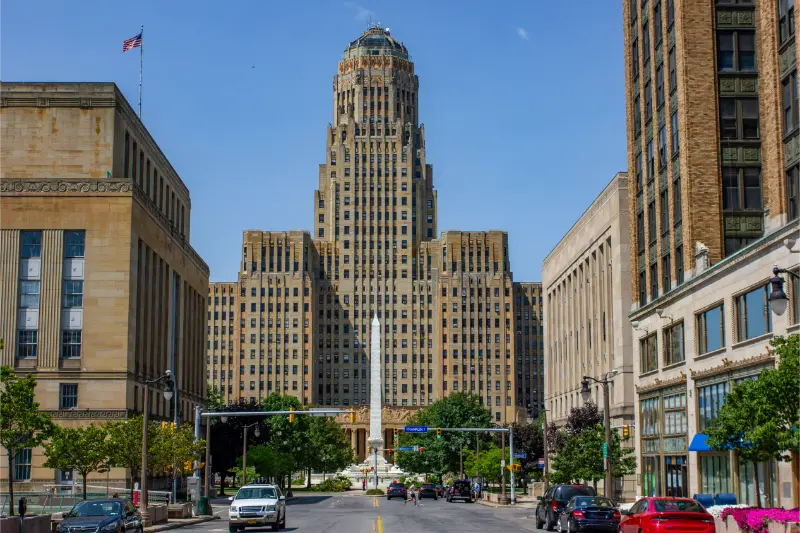
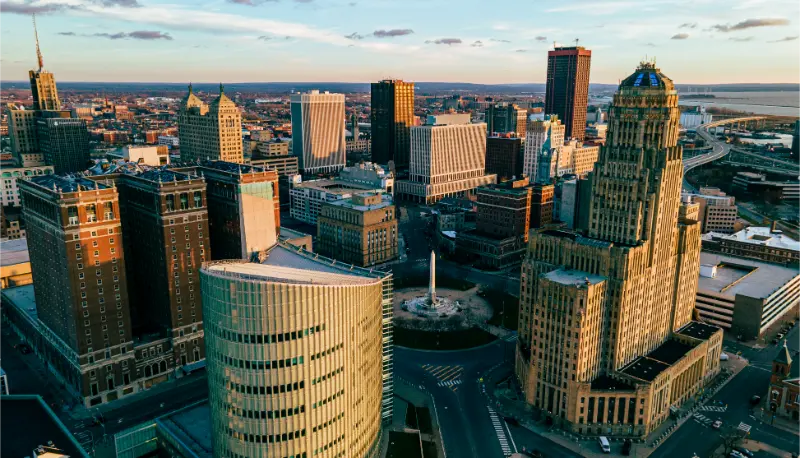
Buffalo is much more than a staging point for Niagara Falls. The city has substantial architecture, revived waterfront districts, strong neighborhoods and one of the most recognizable regional food identities in the United States. A good first trip gives Buffalo two or three full days before or after the waterfall rather than treating the city as an airport with restaurants.
The city also works well without constant driving. Main Street light rail and key bus corridors connect several visitor areas, and many of Buffalo’s strongest experiences—architecture walks, Canalside, Elmwood Village and food—benefit from slowing down rather than jumping back into the car.
Best time to visit
May through October for waterfront time, architecture walks and day trips. Winter has a strong local identity but requires real flexibility for snow and travel disruptions.
For a first trip, I would choose dates based on the experience you care about most rather than searching for one perfect month. Outdoor-focused itineraries benefit from longer daylight and stable weather; museum and food trips can work in quieter seasons. Check event calendars before booking because festivals, college weekends, sports and conventions can move hotel prices dramatically.
Where to stay
Downtown for transit and waterfront access, or Elmwood Village if you prefer neighborhood restaurants and a more residential evening atmosphere. Either works well for a first trip if you plan Niagara Falls as a separate day.
Location matters more than saving a small amount on the room. A hotel that lets you walk to dinner or leave the car parked for an entire day can save parking fees, fuel and time. Before booking, compare the nightly rate with parking, resort or destination fees, breakfast and the cost of getting to the attractions that matter to you.
Getting there and getting around
Buffalo Niagara International Airport is the main gateway. Downtown and central neighborhoods can be explored with Metro Rail, buses, walking and rideshare, while a car is more convenient for Niagara Falls, suburban Frank Lloyd Wright sites or a wider Western New York route. If you rent a car, leave it parked during the downtown day.

If you rent a car, read the USA road trip guide before the trip. For a multi-city itinerary, also compare driving with the getting around the USA guide. In American cities, the fastest-looking route is not always the easiest once parking, one-way streets and event traffic are included.
Best things to do on a first visit
- Take an architecture tour or self-guided walk; Buffalo’s built environment is one of the best reasons to give the city more than one night.
- Spend time around Canalside and the waterfront, especially in good weather when the public spaces are part of the experience.
- Explore Elmwood Village and the museum district rather than keeping every meal and evening downtown.
- Try Buffalo wings in the city where the style became famous, but do not make that the only food experience; bakery, immigrant and neighborhood dining traditions matter too.
- Use one full day for Niagara Falls if it is part of the trip, returning to Buffalo rather than squeezing the falls into a few rushed hours.
- Check the event calendar for sports, concerts or festivals because downtown travel patterns can change significantly on event days.
I would not treat this list as a challenge to complete. Pick the experiences that explain the destination best, then allow time for meals, walking and unplanned stops. A memorable trip is usually built around a few strong days rather than a larger number of rushed admissions.
A practical 4 days itinerary
- Day 1: Arrive, explore downtown and Canalside, then have dinner nearby.
- Day 2: Make architecture, museums and Elmwood Village the focus, using public transit where convenient.
- Day 3: Take a full Niagara Falls day trip, returning to Buffalo for the evening.
- Day 4: Use the final day for a missed neighborhood, waterfront activity or regional architecture site before departure.
Keep the sequence flexible. Weather-sensitive outdoor plans should move to the best available day, while museums, markets and neighborhoods make good backups. If you have less time, remove one whole day or area instead of reducing every stop to an hour.
How I would pace each day
Plan one anchor experience in the morning and a second, easier block in the afternoon. This creates room for parking delays, a museum you enjoy more than expected or a long lunch without damaging the rest of the itinerary. It also makes the trip more resilient if weather forces you to swap days.
Try to finish most days in the same neighborhood where you plan to eat dinner. Crossing a city at 5:30 p.m. just to reach a restaurant can turn a good day into an hour of traffic. When public transportation is useful, save the route and operating hours on your phone before leaving the hotel.
Food and evening strategy
Buffalo deserves more culinary curiosity than a single plate of wings. Build one wing stop into the trip, then explore beef on weck, bakeries, immigrant restaurants and neighborhood bars. Elmwood and other central districts make it easy to turn dinner into a walk rather than another drive. On the Niagara day, eat early or carry a snack so you are not forced into the busiest visitor-zone meal period.
I normally reserve only the meal that would genuinely disappoint me to miss. Leaving other meals flexible lets you stay longer at a museum, react to weather or choose a restaurant near where the day actually ends. For tipping, taxes and a broader spending framework, use the USA travel costs guide.
Visiting with children
Canalside, science and children’s attractions, parks and Niagara Falls can create a strong family trip. The main mistake is trying to keep children engaged through a full day of adult-oriented architecture touring. Break walks into shorter sections and give the waterfall its own day. In winter, keep indoor backup plans because weather can alter driving and outdoor schedules quickly.
For family trips, alternate structured attractions with parks, trails, waterfront space or hotel downtime. Children rarely care that the itinerary contains ten famous names; they notice whether each day feels manageable. The USA with kids guide covers car seats, hotel-room strategy, long drives and other U.S.-specific family logistics.
Budget and booking priorities
Book limited-capacity experiences first: guided tours, event tickets, special museum entries or any attraction that would be difficult to replace. Book the hotel around those anchors, then keep ordinary museums and neighborhood stops flexible whenever possible.
Do not forget the costs around the ticket price. Parking, service fees, taxes, tips, tolls and rideshare can add up quickly. A centrally located hotel may cost more per night but still produce a cheaper and easier trip if it eliminates daily parking and repeated cross-city drives.
What to pack
Comfortable walking shoes, a refillable water bottle, sun protection, a light rain layer and a portable battery are useful in almost every version of this trip. Add layers for air-conditioned museums, riverfront evenings or shoulder-season weather. If you plan cycling or hiking, bring clothing suited to the actual activity rather than trying to improvise with city shoes.
Keep reservation confirmations and important addresses available offline. Mobile coverage is usually good in cities, but trail systems, rural day trips and crowded event areas can still create weak service at exactly the moment you need a map or ticket barcode.
Safety and responsible travel
Use normal city awareness: keep valuables out of a parked car, confirm the destination before entering a rideshare, and ask hotel staff about late-night walking routes if you are unsure about a neighborhood. On trails and bike paths, follow closures and local etiquette rather than assuming an urban setting means conditions are risk-free.
Responsible travel also means treating residential neighborhoods as places where people live. Park legally, keep noise down, stay off private property and support local businesses without turning every historic or culturally significant area into a backdrop for photographs.
Common mistakes to avoid
- Choosing a hotel by price alone and then spending the savings on parking and rideshare.
- Moving the car for every attraction when a district can be explored on foot or by transit.
- Scheduling every meal and attraction before you know the weather or local event calendar.
- Assuming a museum, tour, trolley or seasonal service operates seven days a week.
- Trying to combine a full city day with a major day trip and enjoying neither properly.
2026 information to check before you go
Visit Buffalo Niagara’s 2026 transit guidance notes that Metro service along Main Street and the Route 20 bus are useful for visitors connecting downtown, Allentown, Elmwood Village and the museum district. A Metro day pass was listed at $5 in the tourism office’s August 2026 guidance. Fares and schedules can change, so verify NFTA information before travel.
Recheck the official source linked near the top of this guide shortly before departure. Transit changes, construction, exhibitions and seasonal hours can change after an article is published, and those details matter more to the day-to-day itinerary than many travelers expect.
How to connect this trip with other USA itineraries
If you are building a longer trip, use nearby destinations that create a logical route rather than adding flights simply to collect famous names. These guides are natural extensions:
For the wider structure, the USA itinerary guide is useful when deciding whether the next stop deserves another hotel change. A route with fewer transfers usually gives you more actual travel experience.
Final thoughts
Buffalo works best when you plan for its actual scale and rhythm. Choose a practical base, secure only the reservations that truly need advance booking and let the strongest neighborhoods or landscapes occupy more time than a checklist originally allowed.
If this is your first trip to the United States, combine this guide with the first USA trip planning guide. The goal is not to see everything. It is to leave with a clear sense of the destination and enough energy to enjoy the next part of the journey.