

Chena Hot Springs is one of those American travel stops that can change the rhythm of an itinerary. Instead of another viewpoint, museum or long drive, you get a period where the point is simply to slow down. The details, though, vary enormously from place to place: some springs are public and inexpensive, others use timed reservations, and others operate more like full wellness resorts.
This 2026 guide focuses on the practical side of visiting Chena Hot Springs: what the experience is really like, current admission and reservation rules, when to go, how much time to allow, what to pack, who it suits, where to stay and how to fit it into a wider Alaska trip. Prices and schedules can change, so I treat the official page linked below as the final check for the exact travel date.
Chena Hot Springs in 2026: key facts
- The Pool House is open daily year-round from 7:00 a.m. to 11:45 p.m. according to the current resort information.
- The published day-pass rates are $20 for adults 18–59, $18 for seniors 60+ and $17 for children 6–17.
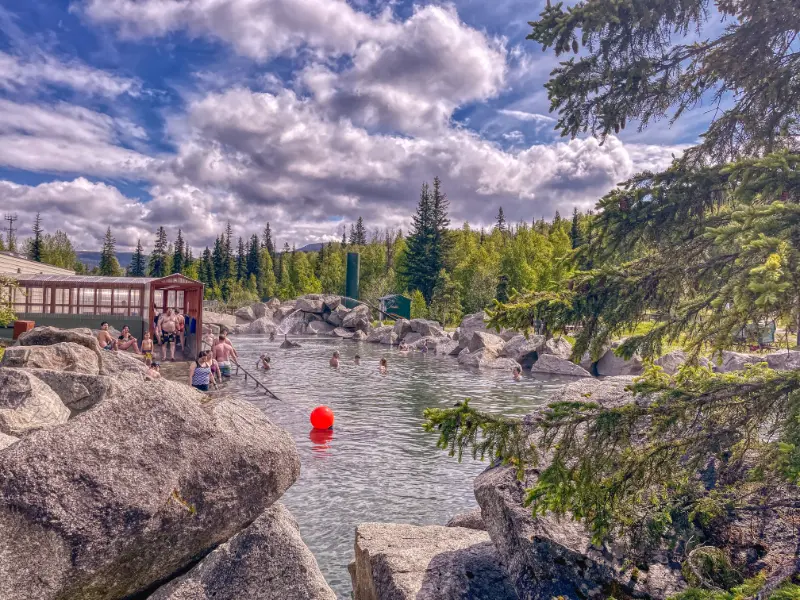
- The outdoor natural hot-springs lake is restricted to guests age 18 and older.
- Younger guests can use the indoor heated pool and hot tubs under the resort’s current rules.
- Chena is a remote resort reached by road from Fairbanks and is also marketed around aurora viewing from late August into spring.
What the experience is actually like
Chena is as much an Alaska destination experience as a soak. The contrast is the point: geothermal water, subarctic air, a remote road outside Fairbanks and—during the darker season—the possibility of combining the visit with northern-lights plans.
The most useful mindset is to choose the experience that fits your trip, not the one that sounds most impressive. If the day already contains hours of driving, a straightforward two-hour soak may be better than adding premium spa services. If the springs are the main reason for the trip, the opposite can be true: a longer pass or treatment can justify slowing down and spending the night nearby.
Tickets, reservations and 2026 planning
The Pool House operates with day passes, but lodging, tours and aurora activities should be treated separately. If Chena is the main reason for driving from Fairbanks, confirm both the pool status and any tour reservation before leaving the city.
I check the cancellation rule at the same time as the price. Mountain weather, flight delays and winter-road conditions can make rigid reservations risky, and a cheap ticket is not good value if it is impossible to move. Save the confirmation offline and note whether the facility asks you to arrive early for waivers, changing or check-in.
How long should you allow?
For most thermal visits, I block three to four hours door to door even when the actual pool session is shorter. That margin covers parking, check-in, changing, showers, a slow transition out of hot water and the inevitable few minutes spent deciding whether to return to one favorite pool.
If the property uses a strict timed session, arrive with swimwear already under your clothes when practical. If it offers an all-day pass, resist the temptation to stay in hot water continuously: a meal, walk or rest between shorter soaking sessions usually makes the day more enjoyable.
Getting there and parking
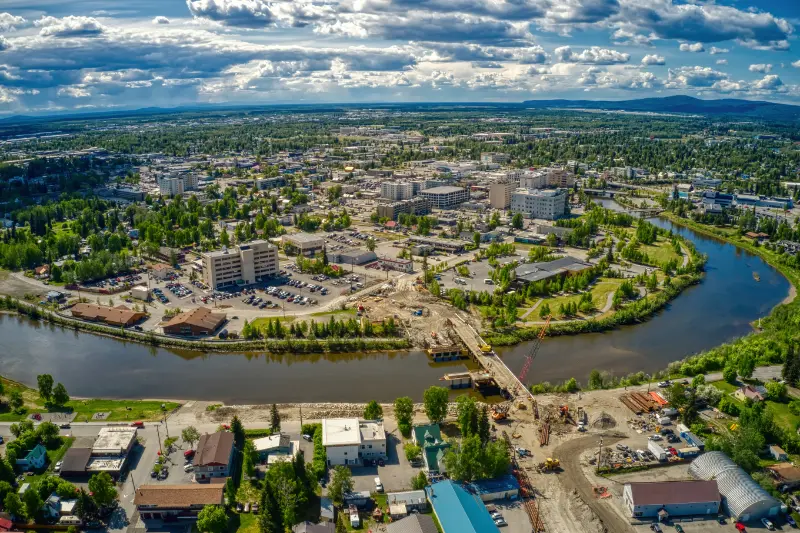
Chena Hot Springs Resort is well outside central Fairbanks, so the drive is part of the day. In winter, darkness, ice and wildlife matter more than the raw mileage. Travelers uncomfortable with Alaska winter driving should investigate resort transfers or tours rather than treat the route like an ordinary suburban road.
On winter trips, the last ten miles deserve more attention than the first hundred. Mountain roads can be shaded, icy or subject to chain/traction rules even when the main highway is clear. Check state road conditions on the travel day and never assume a rental car includes winter equipment simply because the destination is snowy.
Best time of year
For aurora-focused travelers, late August through early spring is the classic period because darkness returns to Interior Alaska. Summer offers very long daylight and simpler driving but removes the dark-sky element. Midwinter can be memorable, yet extreme cold requires serious clothing and conservative driving decisions.
For time of day, morning generally gives the easiest parking and the most predictable schedule. Evening can be more atmospheric, especially in cold weather, but only if the road back to the hotel is straightforward and the property’s age or after-dark rules work for your group.
Is it good for families?
Families can use the indoor pool facilities, but the outdoor hot-springs lake is 18+. That distinction is important: a family visit can still work, but adults expecting to share the outdoor lake with children will be disappointed.
For children, the temperature is often more important than the visual appeal of the pool. A cooler family pool can be a much better choice than a small, very hot soaking pool. Plan breaks, water and a simple meal afterward rather than expecting young travelers to enjoy the same long soak as adults.
What to bring
The simple packing list is a swimsuit, easy sandals, a water bottle, a dry change of clothes and a small waterproof bag for damp items. A robe can be surprisingly useful at outdoor facilities in winter because the coldest part of the experience is often the walk between changing room and pool.
Do not assume every property provides the same basics. Some include towels and lockers, some rent them, some use coin lockers, and some have very limited changing space. Check the official site for the exact date so you do not pay for something you already could have brought from the hotel.
Hot-spring comfort and safety
Hot water is relaxing, but longer is not automatically better. I prefer several shorter soaks with water breaks rather than staying continuously in the hottest pool. Anyone who is pregnant or has cardiovascular, blood-pressure or other medical concerns should follow medical advice and the facility’s posted guidance rather than relying on a travel article for health decisions.
Alcohol and very hot water are a poor combination, and many facilities prohibit alcohol entirely. Even where drinks are sold elsewhere on the property, hydration and a slower pace make the experience much more comfortable—especially at altitude, after skiing, or after a long day of hiking.
How to fit it into a wider trip
Chena fits best into a Fairbanks itinerary with at least two or three nights in the region. I would not schedule the round trip on the same day as a tight flight connection; weather and winter roads deserve margin.
I normally place the hot springs after the most active part of the day rather than before it. After a long soak, motivation for a strenuous hike or complicated museum schedule tends to drop. A scenic drive, relaxed dinner or short downtown walk is a better second act.
Where to stay
For Chena Hot Springs, I would choose accommodation based on the broader itinerary rather than simply the absolute closest bed. A good base should reduce night driving, offer food options after the soak and still make the next day’s route efficient.
Compare hotels and current rates around Fairbanks, Alaska, United States
Budget: the real cost of a thermal stop
For budgeting, separate the soak from the rest of the day. The headline admission price may not include parking, towel rental, robes, spa treatments, shuttle transportation or a second entry. Conversely, some passes include lockers, towels or all-day re-entry, so a higher ticket can still be reasonable value.
I also compare the hotel location with the springs before booking. Saving $30 on a room is not useful if it creates an extra hour of mountain driving each way. On winter trips in particular, paying a little more to stay near the thermal stop can improve both safety and the overall pace of the itinerary.
Accessibility and comfort
Accessibility varies sharply between modern pool complexes, historic bathhouses and natural settings. If anyone in the group uses a wheelchair, has limited balance or cannot manage slippery steps, check the facility’s accessibility page or call before booking. A property can be generally accessible while one specific pool, cave, terrace or historic room is not.
Changing rooms can also influence comfort more than expected. Families may need a family changing room; older travelers may prefer benches and handrails; winter visitors benefit from the shortest possible outdoor transition. These details are worth checking before arrival rather than after everyone is already in swimwear.
Common planning mistakes
- Assuming every hot spring is walk-in. Several popular properties now require or strongly encourage reservations.
- Ignoring age rules. Adult-only pools and after-dark restrictions are common.
- Planning by distance alone. Winter roads and mountain traffic can turn a short drive into a slow one.
- Staying too long in the hottest water. Build in breaks and hydration.
- Forgetting dry clothes. A cold walk back to the car is much less pleasant in wet swimwear.
Useful MyUSAExperience guides for the same trip
Official information to check before you go
Recheck the official site shortly before departure for the exact price, opening hours, closures, reservation rules, age restrictions, towel/locker policy and weather-related access. Those are the details most likely to change after publication.
Frequently asked questions
How much is Chena Hot Springs in 2026?
The current Pool House day-pass rates are $20 for adults, $18 for seniors and $17 for children ages 6–17.
Can children use the outdoor hot-springs lake?
No. The outdoor natural hot-springs lake is restricted to guests age 18 and older.
What are the Pool House hours?
The current resort page lists daily hours of 7:00 a.m. to 11:45 p.m.
Can I see the northern lights while visiting?
Chena is promoted as an aurora destination during the darker season, but aurora visibility is never guaranteed and depends on solar activity, clouds and darkness.
Is Chena a day trip from Fairbanks?
Yes, many travelers visit for the day, but winter road conditions and darkness make it important to leave generous driving time.
Final planning advice
Chena Hot Springs works best when you treat the soak as a real part of the itinerary rather than spare time between attractions. Confirm access, give yourself a generous arrival window, bring simple swim gear and leave the rest of the day flexible enough that the experience can actually feel relaxing.
For a 2026 trip, the most important step is the final official-site check. Once the current operating details are confirmed, Chena Hot Springs can be one of the easiest ways to break up a long Alaska itinerary and add something memorable that feels completely different from another museum, viewpoint or highway stop.