

Chicago is one of the best U.S. cities for travelers who want a major urban experience without depending on a rental car. The skyline sits directly against Lake Michigan, architecture is part of everyday sightseeing, museums are world-class, neighborhoods feel distinct and public transport connects most places a first-time visitor is likely to use. I would plan at least three full days, with four or five giving enough room to combine downtown landmarks with neighborhoods, food and the lakefront. Chicago works especially well in late spring, summer and early autumn, but every season has a very different personality.
How many days do you need in Chicago?
Three days covers the central highlights if you move efficiently. Four days is the sweet spot for a first visit because you can add neighborhoods without sacrificing the major museums or architecture. Five days creates room for a slow lakefront day, a baseball game, a longer museum visit or a day trip.
I would not build the schedule around a giant list of skyscrapers. Chicago becomes much more interesting when you alternate downtown architecture with neighborhood streets, parks and food. One major reservation per half-day is usually enough.

Where to stay on a first trip
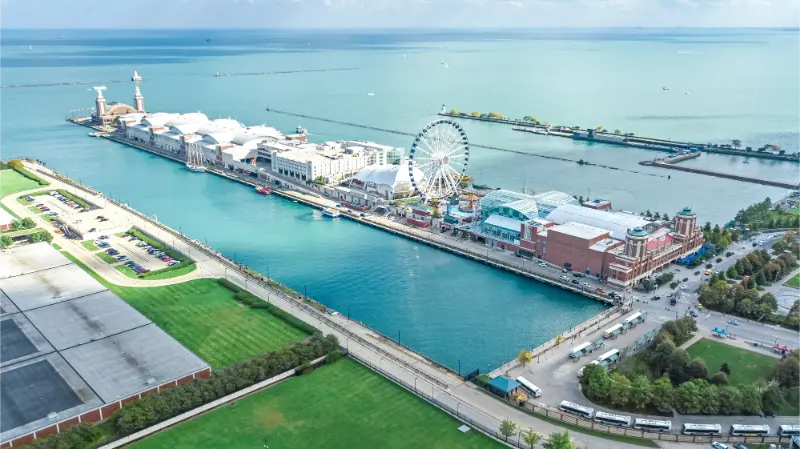
The Loop is practical for Millennium Park, museums, theaters and transport. River North places you near restaurants and the Chicago River. Streeterville works well for the lakefront and Navy Pier. West Loop has a strong dining scene and a more contemporary neighborhood feel, though some attractions require short transit rides.
Choose a hotel near an “L” station if public transport matters. A slightly cheaper room far from useful lines can cost time every morning and evening. Compare the final nightly rate, including taxes and destination fees, using the broader USA accommodation guide.
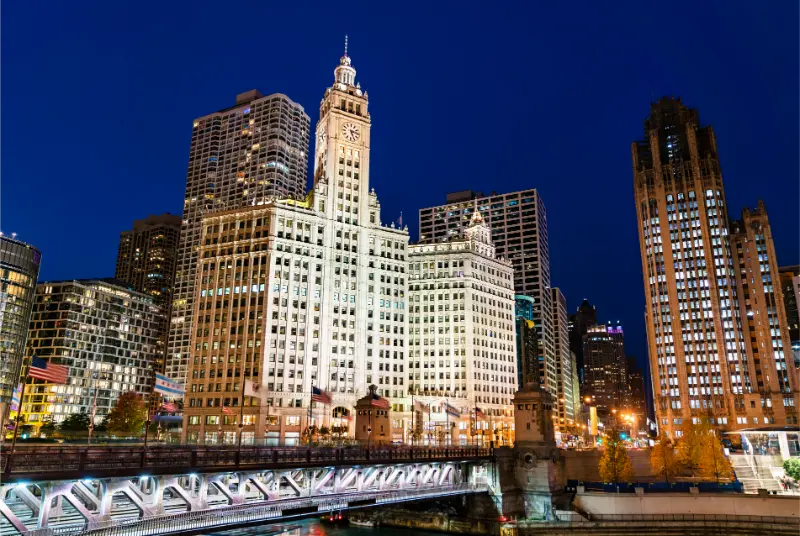
Start with the Chicago River
An architecture cruise is one of the strongest introductions to the city because it explains how Chicago grew, rebuilt and developed its skyline. It also helps you understand the geography of downtown before you start walking. Several operators run tours, so compare route, duration, departure location and weather policy.
Even without a cruise, the Riverwalk is worth exploring on foot. Bridges create constantly changing skyline views, and early morning is much calmer than the busiest afternoon hours.
Millennium Park and the lakefront
Millennium Park is central, easy to combine with the Art Institute of Chicago and connected to a long chain of lakefront parks. Cloud Gate is only one small part of the area. Continue toward Maggie Daley Park, Grant Park or the Lakefront Trail depending on weather and energy.
Lake Michigan makes Chicago feel almost coastal. On a clear day, leave time simply to walk the waterfront rather than moving directly from one indoor attraction to another.
Which museums should you prioritize?
The Art Institute of Chicago is the obvious choice for art, but it can take several hours. The Field Museum, Shedd Aquarium and Adler Planetarium form another major cluster south of downtown. Families may be tempted to book all three in one day, but that can become exhausting and expensive.
Choose one major museum based on genuine interest and keep a second as a weather backup. Chicago is a city where a perfect outdoor day is worth protecting, especially if your visit is short.
Observation decks and skyline views
Chicago has major paid observation experiences, but you do not need several. Pick one if the weather is clear and combine it with free skyline views from the river, lakefront or parks. Evening light can be beautiful, but cloudy conditions matter more than the exact time slot.
If heights are not important to you, spend the same money on an architecture tour, museum or memorable meal. A first trip should reflect your interests rather than a standard checklist.
Neighborhoods beyond downtown
Wicker Park and Bucktown offer shops, cafés and nightlife; Lincoln Park combines residential streets, green space and lake access; Pilsen is known for Mexican-American culture, murals and food; Hyde Park adds university architecture and cultural institutions. Each gives a different view of the city.
Do not try to visit five neighborhoods in one afternoon. Choose one or two that fit the rest of your route and explore on foot. This is where Chicago begins to feel like a lived-in city rather than a collection of downtown attractions.
What to eat in Chicago
Deep-dish pizza and Chicago-style hot dogs are famous, but the food scene is much broader. Italian beef, Polish influences, Mexican food, steakhouses, bakeries and contemporary restaurants all deserve attention. The city rewards travelers who leave the central tourist corridors for at least one meal.
Full-service restaurant prices normally exclude tax and customary gratuity, so budget accordingly. The USA travel costs guide explains tipping and other charges that can surprise international visitors.
Getting around without a car
The CTA “L” trains and buses cover most first-time visitor needs. Trains connect both major airports to the city, although luggage and late-night arrival may make a taxi or rideshare more comfortable. Walking is practical within downtown, but Chicago blocks and lakefront detours can make distances feel longer than the map suggests.
A car is generally unnecessary for a city-focused trip and parking can be expensive. Use the USA transportation guide if Chicago is one stop in a longer multi-city itinerary.
Chicago with children
Families have many strong choices: the lakefront, playgrounds, science and natural-history museums, boat rides, beaches in warm weather and parks. The challenge is not finding activities but avoiding overbooking. One museum plus outdoor time is often more realistic than three ticketed attractions.
Weather can change quickly near the lake, so carry layers even on otherwise warm days. A stroller can be useful, and much of central Chicago is relatively straightforward to navigate with children.
Best time to visit Chicago
Late spring and early autumn often provide comfortable walking weather, while summer brings festivals, beaches and long evenings but also humidity and higher demand. Winter can be cold and windy, yet hotel prices may be attractive and indoor cultural options are excellent.
Choose the season based on what you want to do rather than trying to identify one universal “best” month. The month-by-month USA guide helps place Chicago in a larger U.S. itinerary.
A practical 4-day Chicago itinerary
- Day 1: Chicago River, architecture and Riverwalk
- Day 2: Millennium Park, Art Institute and lakefront
- Day 3: one neighborhood plus Lincoln Park or a museum
- Day 4: Museum Campus, West Loop, baseball or a flexible interest-based day
Keep one evening open for live music, a show or a restaurant reservation. If weather is poor, swap outdoor and museum days rather than forcing the original order.
What I would avoid on a first trip
I would avoid renting a car for a downtown stay, booking multiple observation decks and crossing the city repeatedly for isolated attractions. Grouping each day by area saves time and makes the trip feel calmer.
I would also leave space for the river and lakefront. Chicago’s strongest impression is often the relationship between architecture and water, and that experience does not require a ticket every hour.
Related USA travel guides
- New York City for first-time visitors
- Washington DC for first-time visitors
- USA itinerary ideas
- Getting around the USA
Extra practical planning notes
Before arrival, check whether a major convention, marathon, festival or sports event overlaps your dates because hotel prices and street closures can change significantly. Chicago hosts large events throughout the year, and a normal-looking weekend can suddenly become expensive. Booking refundable rates early is useful when dates are not fully fixed.
If you plan to use the lakefront heavily, think about wind as well as temperature. A comfortable downtown forecast can feel much colder beside Lake Michigan. A light layer in summer and a wind-resistant outer layer in cooler seasons can make long walks much more enjoyable.
How I would keep this trip realistic
For a Chicago for first-time visitors itinerary, I would protect at least half a day with no fixed ticket. Travel time, parking, weather and fatigue regularly consume more time than maps suggest. That flexible block can absorb a delay or become the place where you revisit the neighborhood, viewpoint or meal you enjoyed most.
I would also keep reservation numbers, hotel addresses, driving notes and official alert pages in one offline document. This is especially useful in the United States because mobile coverage can change quickly between cities and rural areas. A little organization before departure creates more freedom once the trip begins.
Finally, I would avoid adding a distant attraction only because it is famous. A better itinerary uses geographic logic, shortens unnecessary transfers and creates time for the place itself. The strongest travel memories usually come from a well-paced day, not from the largest possible number of stops.
Before finalizing the day-by-day schedule, I would also check opening days, seasonal hours and the time of the last realistic return to the hotel. Small operational details can matter more than another attraction on the list. Keeping one nearby alternative for each major day makes the itinerary resilient when weather, maintenance or crowds change the original plan.