

Florida is much more varied than a simple beach destination. A single trip can include Miami neighborhoods, Atlantic beaches, the Everglades, the Florida Keys, huge Orlando theme parks and quieter Gulf Coast towns, but the state is large enough that trying to do everything at once creates long drives and expensive hotel changes. The easiest way to plan Florida is to choose one main travel style and then add one complementary region instead of building a list of every famous place.
Choose your Florida trip style first
A family theme-park vacation based in Orlando has different logistics from a Miami and Keys road trip. A beach-focused Gulf Coast trip can be slower and more relaxed, while a South Florida itinerary can combine city life, wildlife and tropical scenery. Before looking at flights, decide whether the trip is primarily about theme parks, beaches, road travel, nightlife, nature or a mix of two of these.
For a first visit of one week, I would usually choose either Orlando plus a beach extension, or Miami plus the Keys and Everglades. With ten to fourteen days, combining Orlando, Miami and the Keys becomes much more realistic.
Miami: where the trip feels most urban and international
Miami is not only South Beach. Miami Beach has Art Deco architecture, oceanfront paths and nightlife, while mainland neighborhoods such as Little Havana, Coconut Grove, Wynwood and Downtown offer very different atmospheres. Staying in Miami Beach makes sense for travelers who want to walk to the ocean; staying on the mainland can be more practical for driving and exploring the wider region.

Plan at least two full days if Miami matters to you. One can focus on the beach and Art Deco areas, and another on neighborhoods, food and cultural attractions. Add an extra day if you want a slower beach rhythm or an Everglades excursion.
Orlando: plan theme-park days around energy, not only tickets
Orlando can easily fill a week because the major theme-park resorts are destinations in their own right. Park days involve early starts, large walking distances, queues and significant costs. The common mistake is booking a major park every day without a recovery day, especially with children.
Choose accommodation based on the parks you actually plan to visit and compare transport benefits carefully. On-site hotels can cost more but may simplify early entry or transfers, while off-site hotels can be cheaper and provide larger rooms. The USA with kids guide is especially useful for balancing attraction days with realistic family pacing.
The Florida Keys: the road is part of the experience
The Overseas Highway links the islands from the mainland toward Key West, crossing bridges and water that make the journey an attraction in itself. The distance is manageable on paper, but traffic, meal stops and scenic detours mean you should not treat Miami to Key West as a quick transfer. One or two overnight stops can transform the experience.
Key Largo is useful for water activities and access to coral-reef experiences, Islamorada has a relaxed fishing and dining culture, Marathon is centrally located, and Key West offers historic streets, sunsets and the most developed visitor scene. If Key West is the goal, stay at least two nights rather than arriving in the afternoon and leaving the next morning.
Everglades National Park
The Everglades is not one single entrance or viewpoint. Different areas provide different experiences, including walking trails, paddling, wildlife viewing and boat access. Heat, mosquitoes, seasonal water levels and thunderstorms can affect the day. Check the official Everglades National Park planning page before choosing the section that fits your route.
Wildlife should always be viewed from a safe distance. Never feed alligators or approach animals for photographs. A guided activity can help first-time visitors understand an ecosystem that is easy to underestimate from a roadside stop.
Florida beaches: Atlantic or Gulf Coast?
The Atlantic side includes Miami Beach, Fort Lauderdale, Palm Beach and many surf-oriented coastal towns. The Gulf Coast often has calmer water and a different resort atmosphere, with destinations such as Clearwater, St. Pete Beach, Sarasota and Naples. Beach quality varies with weather, tides and local conditions, so do not assume one entire coast is always better than the other.
If the trip already includes Orlando, either coast can provide a beach extension. From Miami, the Atlantic coast and Keys are geographically easier. If sunsets and a slower coastal stay are priorities, the Gulf Coast can be worth a separate itinerary.
Do you need a rental car?
In most of Florida, a rental car is extremely useful. Miami Beach can be explored without one for a short stay, and Orlando theme-park resorts may provide transport, but a multi-region itinerary is much easier by car. Parking fees at resorts and attractions can be significant, so compare the total cost rather than the rental rate alone.
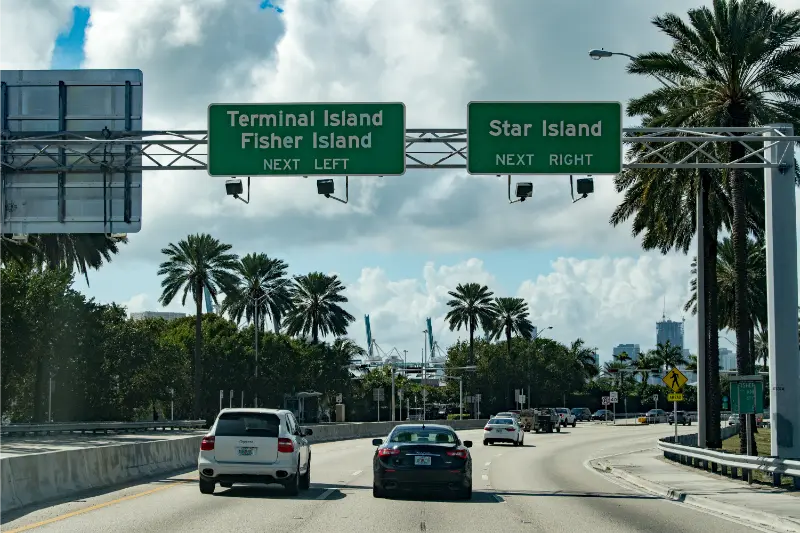
For Miami plus the Keys, collect the car when leaving the most walkable area if that reduces parking expenses. For Orlando, check whether hotel shuttles really match park opening and closing times. The road trip guide covers toll roads, fuel, insurance and parking.
Weather, heat and hurricane season
Florida can be hot and humid for much of the year. Summer brings frequent thunderstorms, and tropical systems can affect travel during hurricane season. This does not mean visitors should automatically avoid several months, but refundable bookings and flexible plans become more valuable.
Winter and spring can be very attractive, but school holidays and major events increase demand. Theme parks also have their own attendance patterns. Read the month-by-month USA guide and then check local weather history for the exact region.
Florida costs that surprise visitors
Theme-park tickets, resort parking, express access, rental cars and restaurant tips can make Florida more expensive than the airfare suggests. Miami Beach hotels may add resort or destination fees, while Keys accommodation can be costly because supply is limited. Build the budget around the expensive anchors first.

Supermarket breakfasts, apartment-style rooms and occasional simple meals can free money for the experiences that matter. Use the USA travel costs guide to account for taxes, tips and hidden fees.
A 10-day first Florida itinerary
- Days 1–3: Miami and Miami Beach
- Day 4: Everglades and drive toward the Keys
- Days 5–6: Upper or Middle Keys
- Days 7–8: Key West
- Day 9: return toward Miami
- Day 10: flexible departure day or beach time
For an Orlando-focused trip, use a completely different structure: four or five park days separated by a rest or pool day, then add two or three nights on one coast. Combining Orlando and Key West in a short week usually produces more driving than vacation.
Florida with children
Florida is one of the easiest U.S. states for family travel because attractions, hotels and services are designed around visitors, but the climate and distances still demand planning. In theme parks, midday breaks can be more valuable than trying to maximize every minute. On beaches and in the Keys, sun protection and water are essential.
Build one major activity per day and give children time to swim, rest and eat normally. A less crowded itinerary often becomes a better family memory than a schedule built entirely around ticket value.
My final planning rule for Florida
Do not let the state map make distances look smaller than they are. Miami, Orlando and Key West can all fit into one longer trip, but they should be treated as separate travel zones. Pick the experiences you care about most, use open-jaw flights if they improve the route and leave weather flexibility around beach or nature days.
Florida works best when the itinerary alternates high-energy days with slower ones. That rhythm is especially important in heat, with children or after long international flights.
Related USA travel guides
A final Florida planning checklist
Before travel, review hotel parking fees, toll-road arrangements on the rental car and the cancellation rules for outdoor activities. In the Keys and South Florida, weather can change boat or wildlife excursions, while Orlando days can change because of heat and thunderstorms. Flexible reservations have real value.
Carry sun protection and water every day, not only at the beach. In summer, the difference between an enjoyable afternoon and an exhausted one is often a long indoor lunch, hotel break or pool rest. Florida rewards travelers who plan around the climate rather than trying to ignore it.
How I would keep the itinerary realistic
For a Florida travel guide trip, I would protect at least one flexible block of several hours rather than scheduling every meal and attraction. Travel days take longer than expected once parking, luggage, security, weather and simple fatigue are included. That flexible time can absorb a delay without forcing you to cancel the part of the itinerary you care about most.
I also keep the most important reservation details, addresses and official information pages available offline. The United States is easy to travel once the basic logistics are understood, but distances and local systems vary enough that a little preparation saves a great deal of time. Recheck weather and official alerts before each major driving or outdoor day, then allow the trip to breathe.
Finally, avoid choosing a destination only because it is famous. A better route connects places that make sense together geographically and gives each one enough time. The strongest USA itineraries usually contain fewer stops, shorter transfer days and more opportunities to experience a place beyond its single best-known viewpoint or attraction.