

The Freedom Trail is the clearest introduction to Boston history, but walking the red line is only the beginning of planning it well. The route is about 2.5 miles from Boston Common to Bunker Hill, yet a full visit can take anywhere from two hours to most of a day depending on how many interiors you enter, how long you spend in the North End and whether you continue across to Charlestown.
Boston National Historical Park explains that the trail links public and private historic sites connected with the city’s role in the struggle for independence. The outdoor route is open year-round, while individual partner sites keep different schedules. Use NPS Freedom Trail planning information shortly before your visit rather than assuming every door will be open.
| Trail length | About 2.5 miles / 4 km |
| Traditional direction | Boston Common to Charlestown |
| Outdoor trail fee | Free |
| Time for a quick walk | 2–3 hours |
| Time with interiors and lunch | 5–7 hours |
Where the Freedom Trail starts
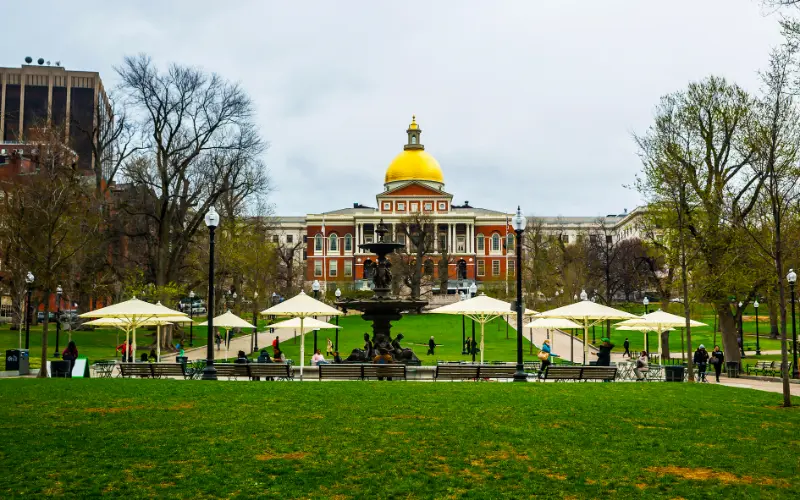
Most first-time visitors begin at Boston Common and follow the route north. That direction works because it starts close to several central hotels and gradually moves from the Common and State House through the dense historic core, the North End and finally Charlestown. It is not a chronological route, so walking in reverse is perfectly valid if your hotel or ferry plan makes that easier.
The NPS visitor center at Faneuil Hall is useful for maps, current site information and seasonal ranger programming. Save the NPS app before leaving the hotel if you want self-guided interpretation without carrying multiple brochures.
The stops I would prioritize on a first visit
Boston Common and Massachusetts State House
Use the Common as orientation rather than rushing to the first plaque. The park gives you space to understand Beacon Hill and Downtown before the streets narrow. From there, the State House and nearby historic burial grounds begin the political and civic story.
Old South Meeting House and Old State House
These two sites help explain the events that pushed colonial protest toward revolution. If you are choosing only one paid historic interior in the downtown section, compare current exhibitions and opening hours rather than choosing solely by fame. The Old State House area also makes the geography of the Boston Massacre much easier to understand when you see the surrounding streets.
Faneuil Hall
Faneuil Hall is both a historic site and a modern visitor crossroads. It can be busy, so use it as a navigation point, ranger-information stop and place to decide how much of the trail you still want to complete. Quincy Market is adjacent but is not itself one of the original trail sites.
Paul Revere House and Old North Church
The North End section changes the rhythm of the walk. Residential streets, restaurants and churches break up the sequence of civic buildings. The Paul Revere House is small, so entry can take longer than the physical visit suggests when a queue forms. Old North Church provides a stronger sense of scale and landscape around the famous lantern story.
USS Constitution and Bunker Hill
Charlestown is the part many tired visitors cut, but it adds the naval and battlefield context that the downtown route cannot. If you care about military history, start early enough to reach USS Constitution and Bunker Hill without watching the clock. If you do not, finishing in the North End is a reasonable shorter version.
A 3-hour Freedom Trail version
For a compact introduction, walk from Boston Common to the North End and enter only one interior. Keep the pace moving through the Common, State House area, downtown meeting-house zone and Faneuil Hall, then finish at Old North Church. This version works on an arrival afternoon or when museums are a bigger priority than Revolutionary history.
A 6-hour Freedom Trail version
Start early, choose two or three interiors, take lunch in the North End and continue to Charlestown. This is the version I would use for a first-time traveler who considers history a core reason for visiting Boston. It allows time for interpretation instead of reducing each site to a photograph.
Guided tour or self-guided?
A guided tour is valuable if you want narrative and context without reading at every stop. A self-guided walk is better if you like photography, food stops or entering only selected buildings. NPS also offers seasonal ranger-led talks and tours, so check Boston National Historical Park before paying for a private guide.
Tickets and opening hours
There is no ticket for walking the Freedom Trail itself. Some individual sites charge admission, some accept donations and others are free. Hours can vary by season, holiday and event. Build the day around the exact interiors you care about and let the outdoor route remain flexible.
Food and bathrooms
Faneuil Hall and the North End are the easiest food zones, but peak lunch can create long lines. Eat slightly early or slightly late if your priority is history. Public facilities are not evenly distributed along the route, which is another reason to use visitor centers and larger attractions strategically.
Connecting the trail with the rest of Boston
The Freedom Trail should be one major day, not your entire Boston itinerary. Pair it with the Boston 3-day itinerary for Back Bay, Fenway and Cambridge, or use the Boston Common and Beacon Hill guide if you want a slower morning before joining the red line.
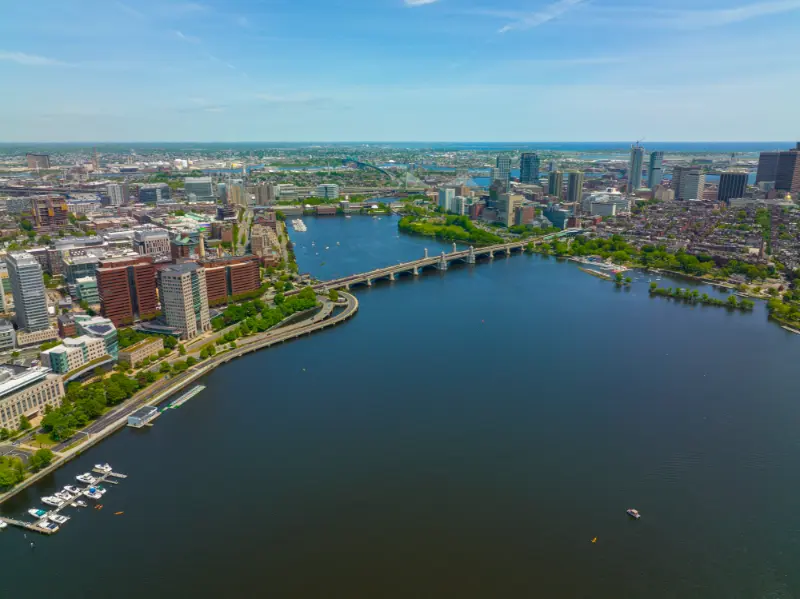
If you are staying outside the historic core, the MBTA guide helps you choose a station near the start or finish. I would not move a rental car between Freedom Trail stops: parking cost and traffic work against the compact geography.
Where to stay if the Freedom Trail is your priority
Downtown, Beacon Hill and the North End minimize the morning transfer. Back Bay is still convenient by subway and gives you a more balanced base for the rest of the trip. Compare Boston hotel prices and locations only after you know which part of the city you want to walk early and which areas you want nearby in the evening.
How to keep a history-heavy day enjoyable
the Freedom Trail rewards curiosity, but too many plaques and interiors in a row can blur together. I would choose two or three places where you want to go inside and let the rest work as context from the street. A proper lunch, a waterside break or a coffee stop is not wasted time; it helps you remember the stories instead of simply collecting historic names.
Audio guides and ranger programs can add depth, but they also slow the pace. If you are traveling with someone whose interests differ from yours, agree on the must-see stops before starting. That prevents a three-hour historical walk from becoming an all-day commitment for the whole group.
Photography and respectful visiting
Many sites are active churches, memorials, cemeteries or public spaces rather than purpose-built attractions. Follow photography rules, avoid blocking entrances and keep voices low during services or commemorative events. In old burial grounds, remain on the established paths and do not lean on markers for photographs.
Weather, footwear and seasonal changes
Boston weather can change sharply within a day. Cobblestones, brick sidewalks and old stairways become tiring when wet, and summer heat can make an otherwise short walking route feel much longer. Wear shoes with real grip, carry water in warm weather and keep a light waterproof layer available in spring and autumn.

Operating hours for historic interiors can change by season, staffing and special events. The safest approach is to check the official page for the two or three interiors that matter most on the morning of your visit, while treating the outdoor route as flexible.
A practical final checklist
- Save the route and priority stops offline.
- Check official opening hours for interiors on your exact date.
- Keep one meal break unscheduled so delays do not create stress.
- Carry water and use comfortable shoes with grip.
- Use public transportation instead of moving a car between central Boston stops.
Planning the morning
Start with the part of the day that is least flexible: an opening time, a tour, or the outdoor section that benefits most from good weather. Boston is easier when the first two hours have a clear purpose and the afternoon remains adjustable. Save the exact address of the first stop offline and know which subway exit puts you on the correct side of a large intersection.
Planning the afternoon
After lunch, reduce rather than increase complexity. One neighborhood plus one attraction is usually enough. If you are behind schedule, remove the least important stop instead of shortening every remaining visit. That protects the quality of the day and prevents the final hours from becoming a sequence of rushed entrances.
Evening strategy
Boston evenings can be relaxed without a formal attraction. A neighborhood meal, a short waterfront walk, a baseball game or a return through illuminated historic streets can be more satisfying than adding another museum. Check the final subway or commuter-rail options if you are staying outside the core, and keep a rideshare backup for very late returns.
Using official information
For any attraction with tickets, seasonal access or security screening, verify the official page again within 24–48 hours of the visit. Construction, private events and staffing changes can affect opening hours even when an older guide is otherwise accurate. Screenshot confirmations and keep the attraction address with the ticket so you are not searching for it on the street.