

A North Rim day in 2026 needs a different rhythm from the classic pre-fire itinerary. You cannot simply follow an old list that starts with Bright Angel Point, walks the Transept Trail and descends partway on North Kaibab. Several of those places are closed, while the scenic-road system to Point Imperial and Cape Royal is the strongest part of the current experience.
This itinerary assumes you are driving a normal passenger vehicle under the 22-foot limit for the scenic roads and that you arrive with food and plenty of water. The goal is not to rush every overlook. It is to use the open roads efficiently, spend meaningful time at the best viewpoints and keep enough flexibility for weather, fire-recovery work or a temporary closure.
| Ideal start | Early morning at Jacob Lake or park entrance |
| Morning highlight | Point Imperial |
| Midday stops | Roosevelt Point / Walhalla area |
| Afternoon highlight | Cape Royal and Angels Window |
| Optional hike | Cape Final if you have 2–4 extra hours |
| 2026 limitation | No potable water; multiple classic trails closed |
Before 8:00 a.m.: arrive with fuel, food and water
If you are staying at Jacob Lake or farther north, fill the tank before driving Highway 67. As of September 19, 2026, the North Rim gas station has closed for the season. Potable water is not available on the North Rim, so each traveler should have a real supply in the vehicle rather than a single small bottle. Download maps before leaving reliable service.
In practice, I would treat this as a decision point rather than another item to collect. On a Grand Canyon North Rim one day itinerary trip, the strongest days leave enough margin for parking, weather and an unexpected closure. If this stop is your priority, give it time and remove a lesser stop instead of shortening everything. That approach is especially useful in 2026, when recovery work and changing conditions can alter what is possible after an itinerary has already been planned.
8:00–10:00 a.m.: drive to Point Imperial first
Point Imperial is a strong morning destination because it is the highest viewpoint on the rim and faces a landscape that includes the eastern canyon and Painted Desert. The road is open for the 2026 season. Spend time at the main overlook, then decide whether to walk part or all of the Point Imperial Trail. The full trail is about 4 miles round trip, so doing it completely changes the rest of a one-day schedule.
A common planning mistake is to read a distance on the map and assume the day will run like a normal city itinerary. Around Grand Canyon North Rim one day itinerary, slow scenic roads, wildlife, altitude and limited services add time. I would therefore keep at least one optional stop in reserve. If the day is running well, add it; if not, skip it without feeling that the trip failed. The canyon rewards time at a few places more than a long checklist.
10:00–11:00 a.m.: use short stops rather than long hikes
If this is your only North Rim day, I would keep the morning hike short and preserve time for Cape Royal Road. The open section of Ken Patrick Trail from Point Imperial toward Cape Royal Road is another option, but a full out-and-back requires several hours. A short walk around Point Imperial gives enough forest context without sacrificing the afternoon.
For photographers, families and first-time visitors, the practical question is how this fits with the rest of the day. I would avoid scheduling this immediately before a fixed reservation far away from Grand Canyon North Rim one day itinerary. Light, storms and parking can all change the pace. Carry offline directions and note the turnoff before leaving service, because navigation apps are most useful as a backup here, not as the only source of route information.
11:00 a.m.–12:30 p.m.: Roosevelt Point and forested scenic-road stops
Continue toward Cape Royal and use Roosevelt Point as a compact stop. Its short trail is about 0.2 mile round trip and is useful when you want a walk without committing to a major hike. Walhalla-area viewpoints add geological and cultural context. Pack a picnic rather than depending on finding food at the exact time you need it.
Conditions at Grand Canyon North Rim one day itinerary can look easy from a parking area and change quickly once you start walking or driving. High elevation means sun, wind and temperature swings can occur on the same day. I would keep water, a warm layer, sun protection and basic food in the vehicle even for a short outing. Those simple preparations are more valuable than adding another attraction and make it much easier to adapt if a road or trail closes.
12:30–2:00 p.m.: decide whether Cape Final fits your day
Cape Final is one of the best open hikes in 2026, roughly 4.2 miles round trip with moderate elevation change and a major viewpoint payoff. It normally requires 2–4 hours. If you want it, cut several smaller overlooks and make Cape Final the centerpiece. If your priority is a broad scenic-drive day, skip it and save the hike for a second day.
If you are building a multi-day northern Arizona trip, this section works best when paired with nearby experiences rather than treated in isolation. The North Rim, Page, Kanab and the Arizona Strip look close on a regional map but travel times are significant. I would group activities geographically, avoid backtracking and sleep near the next morning’s first priority. That small itinerary choice can save hours of driving over two or three days.
2:00–4:30 p.m.: Cape Royal and Angels Window
Cape Royal is the logical afternoon anchor. The easy 0.4-mile Cape Royal Trail reaches the rim and includes the side route above Angels Window. Railings protect the narrow section, but people uncomfortable with heights may prefer the main viewpoint. The wide panorama and long afternoon shadows make this one of the most satisfying places to slow down.
Accessibility and comfort also matter. A place may be technically reachable while still being tiring for someone sensitive to altitude, heat, exposure or long drives. On a Grand Canyon North Rim one day itinerary trip, choose the viewpoint or walk that matches the least mobile person in the group. The scenery does not become less meaningful because you skip a longer trail, and in 2026 many of the best open experiences are already close to the road.
Late afternoon: do not add a closed classic by mistake
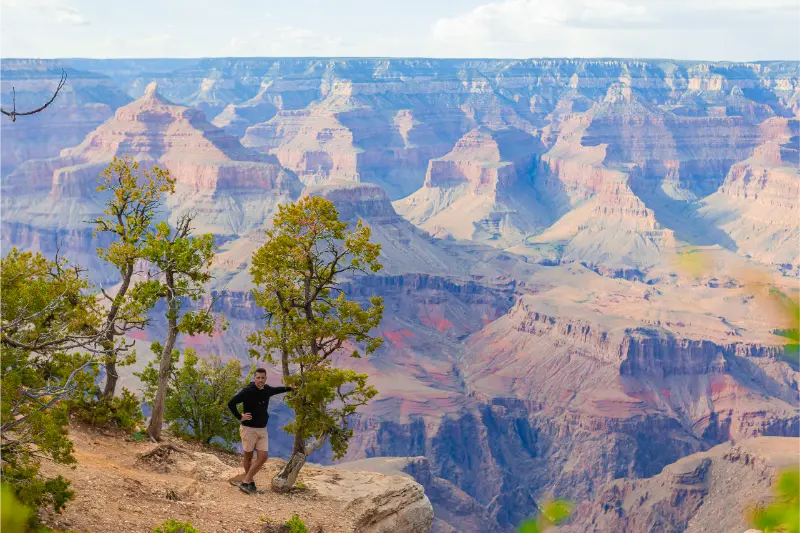
Bright Angel Point, Transept, Widforss and Uncle Jim trails are closed in the current 2026 status. The North Kaibab Trail is also closed from the trailhead to Phantom Ranch after the August 29 flood. If a navigation app or old itinerary suggests squeezing one of these in before sunset, ignore it and follow the current NPS closure page.
Do not assume the situation described here will remain unchanged for the entire season. The park is actively managing post-fire landscapes, storm damage and limited infrastructure. I would check the official status page the evening before and again on the morning of the visit if you have service. If the status changes, use the open scenic-road network and short trails as your fallback rather than trying to bypass a closure.
Sunset strategy: beauty versus the return drive
Cape Royal and Point Imperial can both be dramatic near sunset, but remember the long drive back toward Highway 67 and Jacob Lake. Wildlife is more active around dusk and the roads are dark. I would stay for sunset only if the driver is comfortable with the return and you have a full tank. Otherwise, late-afternoon light is a good compromise.
The value of this stop depends heavily on pace. Arrive with enough time to look, walk a little and let the landscape register before moving on. At Grand Canyon North Rim one day itinerary, a ten-minute stop can easily become forty minutes when the light improves or wildlife appears. Build that possibility into the itinerary. It makes the day feel deliberate rather than rushed and reduces pressure to drive faster on narrow roads later.
If you only have half a day
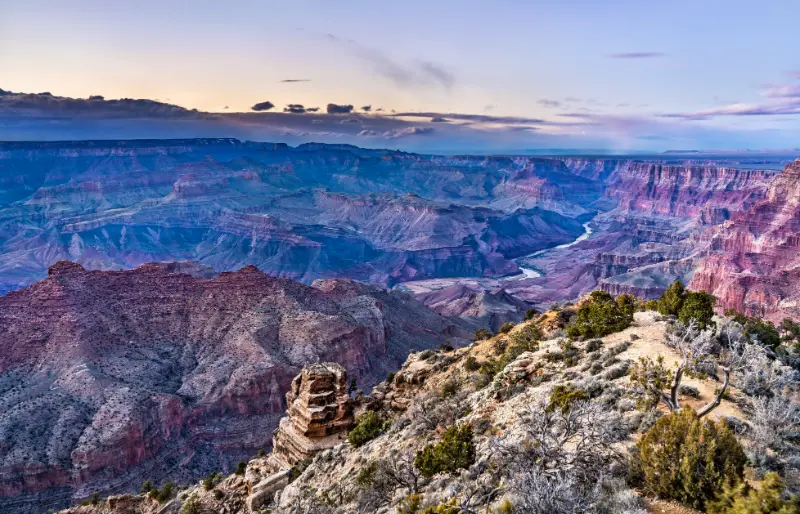
With four or five hours, choose Point Imperial and Cape Royal and treat everything between them as optional. That gives you two distinct canyon perspectives and a short open trail at Cape Royal. Do not spend the limited window driving to the former lodge area just to replicate a pre-2025 itinerary; the scenic roads are the stronger use of limited time in 2026.
Finally, keep the return journey in mind before committing to the stop. Much of the North Rim road network is remote, dark after sunset and used by wildlife. If your hotel is in Jacob Lake, Kanab or Page, the day is not finished when you leave the last viewpoint. I would set a realistic turnaround time, particularly with children or a single driver, and save one optional stop for another trip if necessary.
Where to stay and how to position the trip
For this itinerary, location matters more than finding a hotel with the longest amenity list. Compare drive time to Highway 67, fuel availability and where you want to be the following morning. In 2026 there is no overnight lodge accommodation inside the North Rim itself, so most non-campers need to use a gateway base. You can compare current accommodation options on Booking.com. I would book cancellable rates when possible because wildfire recovery, monsoon weather and seasonal service changes can affect plans.
2026 planning checklist
Before leaving reliable service, check the current NPS status page, confirm road and trail openings, fill the fuel tank, download maps and weather, and carry all required water. If you are traveling in an RV or towing, verify the 22-foot restriction on the North Rim scenic roads and any separate campground limits. International visitors should also review the 2026 Grand Canyon entrance-fee rules because the new nonresident fee can materially change the budget. Keep a paper note with your lodging address and emergency numbers in the vehicle; remote areas can have little or no cell coverage.
Official information and related guides
For conditions that can change, use the official National Park Service information as the final authority before departure. You may also find these related planning guides useful: Grand Canyon North Rim guide, Grand Canyon South Rim one-day itinerary, Page Arizona 3-day itinerary.
Final practical advice
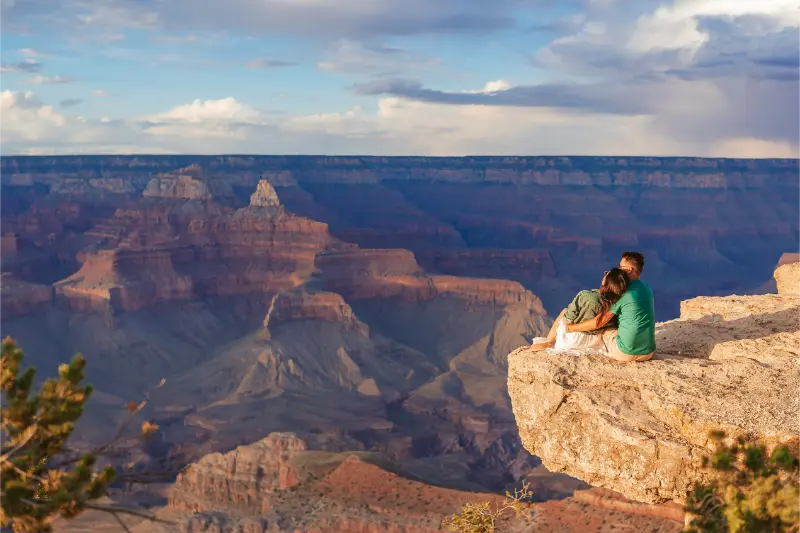
The North Rim is at its best when you accept its remoteness instead of trying to make it behave like the South Rim. In 2026 that is even more important. Arrive supplied, use the roads and trails that are officially open, leave room for changing conditions and do not measure the day by the number of stops completed. A slower plan usually produces more time with the canyon and less time solving avoidable logistics.