

Hawaii looks simple on a map because the islands sit close together in the Pacific, but each major island can fill an entire vacation. The biggest first-time planning mistake is trying to “see Hawaii” by visiting too many islands in too few days. Flights between islands are short, yet every transfer still involves packing, checking out, airport time, collecting another rental car and learning a new area. A better trip begins by choosing the island experience that fits you best and giving it enough days.
How many islands should you visit?
For a one-week trip, I would usually choose one island. With ten to fourteen days, two islands is ideal for many first-time visitors. Three islands can work in two weeks for fast-paced travelers, but you will lose more time to logistics. If the trip is coming from Europe, the long journey to Hawaii makes slower travel especially valuable.
There is no island that contains every Hawaiian experience. Oahu combines city life, history, beaches and food; Maui mixes resorts, scenic drives and mountain landscapes; Kauai feels greener and less urban; the Island of Hawaii offers volcanoes, large-scale driving and varied climates.
Oahu: the easiest first introduction
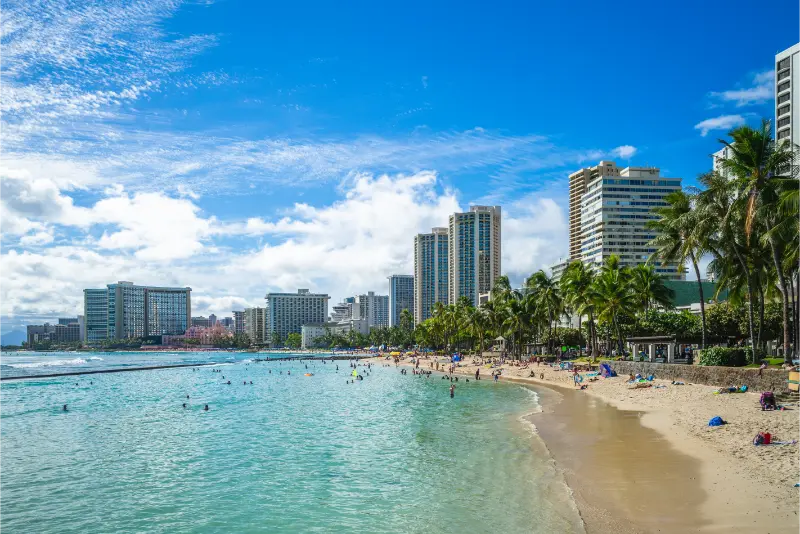
Oahu is home to Honolulu and Waikiki, making it the most urban island and the easiest for travelers who want restaurants, nightlife, shopping and a broad range of hotels. Pearl Harbor adds major historical significance, while the North Shore, windward coast and hiking areas show a very different side of the island.
Waikiki can be visited without a car for several days. Rent a car only for the days you plan to explore the island if parking costs are high. Oahu is an excellent choice for a first Hawaii trip when you want variety rather than an entirely resort-focused stay.
Maui: beaches, resorts and famous drives
Maui is often associated with resort beaches, the Road to Hana and Haleakalā, but planning requires attention to driving times and current local access. The Road to Hana is not about reaching Hana quickly; it is a full scenic day with curves, waterfalls, roadside stops and limited parking in some areas.
Haleakalā sunrise access may require reservations, while other activities can have changing permit systems. Always verify current rules with the official Haleakalā National Park site rather than relying on older itineraries.
Kauai: slower and greener
Kauai is a strong choice for travelers who prioritize scenery, hiking and a quieter atmosphere. The Nā Pali Coast, Waimea Canyon and lush northern shore create a very different trip from urban Oahu. Weather can vary significantly between parts of the island, and some trail or coastal access requires advance reservations.
A rental car is very useful. Because the road does not circle the entire island, driving distances can be longer than they appear. Choose the accommodation area based on the sights you most want to see, not only the lowest room rate.
Island of Hawaii: volcanoes and big distances
The Big Island is much larger than the other main visitor islands and works best as a road-trip destination. Hawaiʻi Volcanoes National Park, Kona coast, high-elevation landscapes and different climate zones can be combined, but driving across the island repeatedly is tiring.
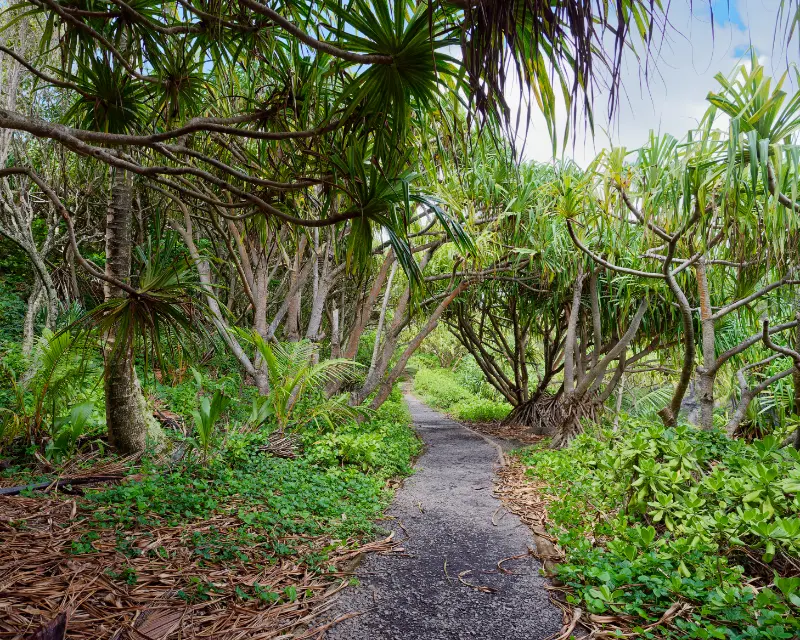
If you have a week, consider splitting the stay between two areas rather than using one hotel for every excursion. Volcanic activity and road access can change, so check the Hawaiʻi Volcanoes National Park website for current conditions.
Inter-island flights
Commercial flights are the normal way to move between the main islands. Flight time can be short, but the practical transfer still consumes a significant part of the day after hotel checkout, airport security and rental-car procedures. Avoid planning a major sunset tour or long hike immediately after an island transfer.
Book the island sequence logically and compare open-jaw international or mainland flights when possible. Sometimes arriving on Oahu and flying home from Maui or the Big Island reduces backtracking.
Rental cars and parking
A car is highly useful on Maui, Kauai and the Big Island. On Oahu, the need depends on whether you stay mainly in Waikiki or explore farther. Hotel parking can be expensive, so calculate it before deciding to keep a car for the entire stay.
Roads can be narrow or winding in scenic areas, and driving etiquette matters in local communities. Never block roads or private driveways for photographs. The USA road trip guide provides general rental-car advice.
Respect for local culture and the environment
Hawaii is not simply a tropical resort setting; it is a place with Native Hawaiian culture, living communities and environmental pressures from tourism. Learn correct place names, follow signs, stay off closed or culturally sensitive areas and avoid treating residential neighborhoods as attractions.
Reef-safe behavior, responsible wildlife viewing and staying on established trails help reduce impact. The official Mālama Hawaiʻi information provides a useful starting point for responsible travel.
Beaches and ocean safety
Ocean conditions can change quickly, and a beautiful beach is not automatically safe for swimming. Shorebreak, currents and high surf can be dangerous even for strong swimmers. Choose lifeguarded beaches when possible and follow local warnings rather than copying other people in the water.
Never turn your back on large surf for a photograph. If snorkeling, use well-established access points and avoid standing on coral. Families should be especially cautious because conditions differ greatly between beaches and seasons.
Best time to visit Hawaii
Hawaii is a year-round destination, but prices, rainfall patterns and surf conditions vary by island and coast. Holiday periods can be expensive, and winter brings bigger surf to some north-facing shores. Summer can provide calmer conditions in certain areas but is not identical across the islands.
Instead of choosing a month nationally, decide on the island and activities first. Whale watching, surfing, hiking and beach swimming have different seasonal considerations.
How much does Hawaii cost?
Hawaii is one of the more expensive U.S. destinations because accommodation, rental cars and food can all be costly. Resort fees and parking may add substantially to hotel totals. Grocery breakfasts, condo-style accommodation and limiting island changes can reduce the budget without reducing the quality of the trip.
Use the USA travel costs guide and add extra margin for inter-island flights and parking.
A first-time 10-day Hawaii plan
- Days 1–5: Oahu, including Waikiki, Honolulu history and one island exploration day
- Day 6: fly to Maui or the Big Island
- Days 7–10: beaches plus one major scenic or national-park day
The exact island combination matters less than the pace. Ten days split between two islands usually provides a better first impression than trying to visit three or four. If the main goal is rest, stay on one island and explore it deeply.
Related USA travel guides
Before flying to Hawaii
Confirm any agricultural declaration or baggage rules that apply to your flights and check reservations for high-demand parks, trails or sunrise access. Island tourism rules can change as local communities manage congestion, so verify important access on official state or park websites shortly before departure.
Leave room in the schedule for local weather. A cloudy mountain morning can become a beach day, while a sunny window can be used for the scenic drive you hoped to do later. On islands, flexibility often creates better conditions than following a rigid day-by-day list.
How I would keep the itinerary realistic
For a Hawaii for first-time visitors trip, I would protect at least one flexible block of several hours rather than scheduling every meal and attraction. Travel days take longer than expected once parking, luggage, security, weather and simple fatigue are included. That flexible time can absorb a delay without forcing you to cancel the part of the itinerary you care about most.

I also keep the most important reservation details, addresses and official information pages available offline. The United States is easy to travel once the basic logistics are understood, but distances and local systems vary enough that a little preparation saves a great deal of time. Recheck weather and official alerts before each major driving or outdoor day, then allow the trip to breathe.
Finally, avoid choosing a destination only because it is famous. A better route connects places that make sense together geographically and gives each one enough time. The strongest USA itineraries usually contain fewer stops, shorter transfer days and more opportunities to experience a place beyond its single best-known viewpoint or attraction.
A few final practical details
Before the trip, I would also review the small practical details that become important only after arrival: where the first night is located, what time check-in begins, how the first transfer works, whether parking is included and which reservations can be changed if weather interferes. Saving these details in one offline note prevents repeated searches while traveling.
For driving or outdoor days, start earlier than the minimum schedule requires. Early starts usually mean easier parking, cooler temperatures and more room for unexpected stops. For city days, the opposite can also be useful: one late morning after several busy days can restore energy and make the rest of the itinerary more enjoyable. A good vacation schedule should support the experience rather than constantly compete with it.
I would also keep one financial buffer that is not assigned to a specific attraction. Parking, baggage, tolls, tips, weather changes and last-minute transport can all add cost. Having that margin makes it easier to solve a problem without feeling that one unexpected expense has damaged the entire trip budget.