

Little Rock, Arkansas is a destination I would plan around experiences and geography rather than a long checklist. For a first visit, 4 days gives you enough time to understand the place without spending every day racing between stops.
This guide focuses on the decisions that make the trip work in practice: where to stay, how to get around, what deserves advance booking, how to pace each day and which nearby destinations combine naturally with the route. If this is part of a larger U.S. vacation, start with the first USA trip planning guide and the USA travel costs guide so the local itinerary fits the wider trip.
Quick planning summary
- Recommended stay: 4 days
- Best time for a first visit: March through May and late September through November offer the most comfortable combination of city walks and outdoor time. Summer can be hot and humid, so museums and shaded riverfront stops are useful in the middle of the day.
- Best base: Downtown near the River Market is the easiest base for a first visit because restaurants, museums and riverfront walks are close together. SoMa works for travelers who prefer a smaller neighborhood atmosphere, while west Little Rock is more practical for suburban shopping or road-trip logistics.
- Official information: official visitor information
- Accommodation: compare accommodation options
Why Little Rock, Arkansas is worth adding to a USA trip
Little Rock is compact enough for a relaxed city break but historically important enough to fill several days. The city’s civil-rights story, Arkansas River setting, presidential history and growing food scene give it more depth than a simple overnight stop between larger Southern destinations.

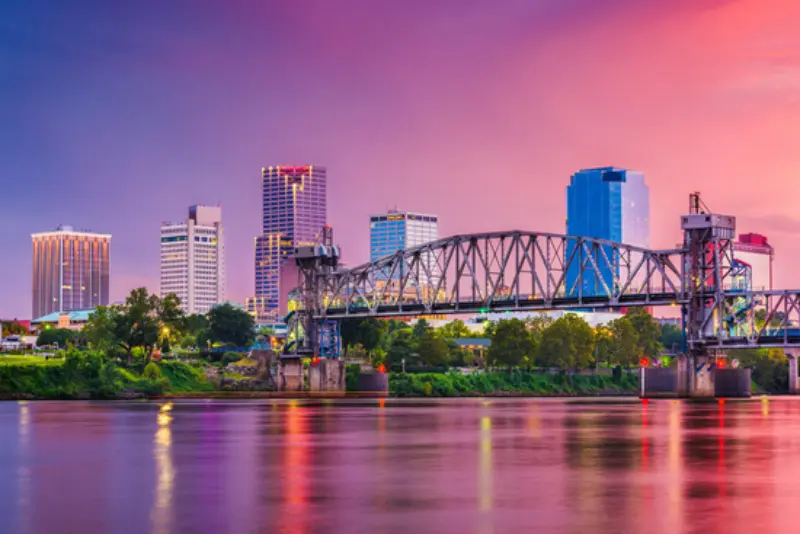
A first visit should make room for both the famous institutions and the ordinary city around them. The Little Rock Central High School National Historic Site deserves careful attention, while the River Market and riverfront explain how modern Little Rock functions. Crossing into North Little Rock adds the Argenta district and makes the downtown area feel like a connected two-city waterfront rather than a single compact core.
That is why I would not force this destination into a one-night stop unless your itinerary has no alternative. The value comes from seeing how the neighborhoods, landscapes and history fit together. A slower visit also gives you room to react to weather, traffic or seasonal closures instead of watching the clock all day.
Best time to visit
March through May and late September through November offer the most comfortable combination of city walks and outdoor time. Summer can be hot and humid, so museums and shaded riverfront stops are useful in the middle of the day.
Before locking in dates, check the local event calendar. Festivals, sporting events, university weekends and holiday periods can change hotel prices and parking conditions even when the weather is ideal. Shoulder season is often the best compromise if you care more about walking, museums and local atmosphere than swimming or peak-season events.
Where to stay
Downtown near the River Market is the easiest base for a first visit because restaurants, museums and riverfront walks are close together. SoMa works for travelers who prefer a smaller neighborhood atmosphere, while west Little Rock is more practical for suburban shopping or road-trip logistics.
For a first trip I usually pay more attention to location and parking policy than to the number of hotel amenities. A room that lets you walk to dinner or leave the car parked for a full day can be better value than a cheaper hotel requiring repeated drives. Use this link to compare accommodation options, then compare the final price after taxes and parking.
Getting there and getting around
Bill and Hillary Clinton National Airport is close to downtown, making Little Rock unusually easy on arrival day. A car is useful for Central High, neighborhoods and side trips, but downtown visitors can walk between several attractions and use the METRO Streetcar for selected Little Rock and North Little Rock connections. Do not assume the streetcar reaches every downtown stop in 2026 because construction continues to affect the system.
If this stop belongs to a longer self-drive holiday, review the USA road trip guide. Distances in the United States can look easy on a map while traffic, scenic roads, parking, construction and meal stops turn them into much longer days. I would rather plan one comfortable transfer than arrive after dark because every viewpoint was treated as a compulsory stop.
Best things to do on a first visit
- Visit Little Rock Central High School National Historic Site with enough time for the visitor center and the broader civil-rights context, not simply a photograph of the school façade.
- Explore the River Market and Arkansas River Trail area on foot, then cross the river to understand how North Little Rock’s Argenta district relates to downtown.
- Spend time at the Clinton Presidential Center if presidential history interests you, but check current access and streetcar service before assuming the closest stops are operating.
- Use the Arkansas Museum of Fine Arts as a slower indoor anchor and pair it with nearby SoMa or MacArthur Park rather than creating a museum-only day.
- Walk or cycle part of the riverfront and consider Big Dam Bridge if you enjoy urban trails and have enough time to move beyond the immediate downtown core.
- Leave one meal for a classic Arkansas or Southern stop, then use another for the newer restaurant scene so the trip reflects more than one version of the city.
Do not treat this list as a challenge to complete. Pick the experiences that explain the destination best, then leave enough room for meals, walking and unplanned discoveries. That is usually what separates a useful itinerary from a schedule that looks impressive only on paper.
A practical 4 days itinerary
- Day 1: Arrive downtown, walk the River Market and riverfront, and keep dinner close to the hotel.
- Day 2: Make Central High the morning priority, then continue with the Arkansas Museum of Fine Arts and SoMa.
- Day 3: Visit the Clinton Presidential Center and nearby downtown sights, then cross to North Little Rock and Argenta for the afternoon or evening.
- Day 4: Use the final day for river trails, a neighborhood breakfast or a short side trip before continuing toward Hot Springs, the Ozarks or another Arkansas stop.
Keep the sequence flexible. Outdoor experiences should move to the best weather day, while museums, markets and neighborhood walks are good backups. If you have one day less, remove a complete area rather than shortening every stop until none of them feels worthwhile.
How to pace each day
I would plan one main experience before lunch and one easier block afterward. This creates a buffer for parking, traffic, a museum that takes longer than expected or a meal you actually want to enjoy. It also reduces the temptation to cross the city repeatedly just because two attractions looked close on a map.
Whenever possible, finish the sightseeing day in the same district where you plan to eat. On a road trip, I also avoid putting the longest drive immediately after the most physically demanding activity. A little margin makes the whole trip feel better.
Food and evening strategy
Little Rock’s food scene is strongest when you mix Southern classics, barbecue, bakeries, farm-focused restaurants and international options. The River Market is convenient for a first look, but do not limit the trip to the most tourist-facing blocks. SoMa and other neighborhoods add a more local rhythm, especially for breakfast and dinner.
Taxes and tips are usually added to the menu price, so budget from the final bill rather than the listed entrée price. If you are comparing the cost of several U.S. destinations, the USA travel costs guide explains the expenses that surprise first-time visitors most often.
Visiting with children
Families can combine the Museum of Discovery, riverfront, parks and streetcar with one major historical stop per day. Central High can be meaningful with school-age children, but it is better to prepare them for the subject matter than to treat it as another quick attraction. Hot-weather trips benefit from alternating air-conditioned museums with short outdoor walks.
For family travel, alternate structured attractions with places where children can move freely. One museum plus one park, beach or easy trail is usually more sustainable than three admission-based attractions in a row. The USA with kids guide covers additional U.S.-specific issues such as hotel rooms, car seats and long driving days.
Budget and booking priorities
Book the experiences that genuinely have limited capacity first: guided tours, special museum entries, ferries, popular state-park reservations or a wine shuttle. Then secure the hotel around those anchors. Ordinary neighborhood walks, beaches and many museums can stay flexible unless your dates fall on a major event weekend.
Remember the costs around admission: parking, resort fees, service fees, taxes, tips, tolls and rideshare can matter more than the ticket itself. A centrally located hotel may look expensive until you compare it with several days of parking and transportation.
What to pack
Comfortable walking shoes, a refillable water bottle, sun protection, a light rain layer and a portable battery belong in almost every version of this trip. Add layers for air-conditioned museums, coastal wind or mountain evenings. For outdoor days, carry more water than you think you need and download maps before leaving reliable mobile coverage.
Safety and responsible travel
Use normal travel awareness: keep valuables out of a parked car, follow official parking signs, confirm rideshare details and respect closures. On beaches, trails and scenic roads, local conditions matter more than a social-media photo. If a stop requires an unsafe roadside maneuver, skip it.
Responsible travel also means remembering that historic neighborhoods and culturally important sites are living places, not sets. Stay on public routes, ask before photographing people, follow local interpretation and spend money with locally rooted businesses when you can.
2026 information to check before you go
In 2026, the fare-free METRO Streetcar continues to operate between Little Rock and North Little Rock, but 30 Crossing construction affects the route. The Green Line is suspended and several east-side Little Rock stops serving the Clinton Presidential Center area remain out of service until approximately mid-2027. Check Rock Region METRO service notices on the day you plan to ride.
Recheck the official source shortly before departure. Construction, seasonal transit, weather, special events and operating hours can change after an article is published, and those practical details often matter more than the attraction list itself.
How to connect this trip with other USA itineraries
These existing MyUSAExperience guides are the most natural extensions:
If you are building a longer vacation, the USA itinerary ideas can help decide whether another hotel change is really worth it. In the United States, fewer bases often produce more useful travel time.
Common mistakes to avoid
- Choosing accommodation by nightly price alone without checking parking, resort or destination fees.
- Moving the car for every single stop when a district can be explored on foot or by transit.
- Scheduling every meal and attraction before you know the weather and local event calendar.
- Assuming seasonal shuttles, trolleys, ferries or tours operate every day of the year.
- Turning a culturally significant site into a rushed photo stop without reading the interpretation.
- Trying to combine a full city day with a major day trip and enjoying neither properly.
Final thoughts
Little Rock, Arkansas works best when you plan for its actual scale and rhythm. Choose a practical base, secure only the reservations that truly need advance booking and let the strongest neighborhoods or landscapes occupy more time than a checklist originally allowed.
If this is your first trip to the United States, combine this guide with the first USA trip planning guide and getting around the USA guide. The goal is not to see everything. It is to understand the destination well enough that the days feel like a trip rather than a sequence of parking lots and ticket scans.