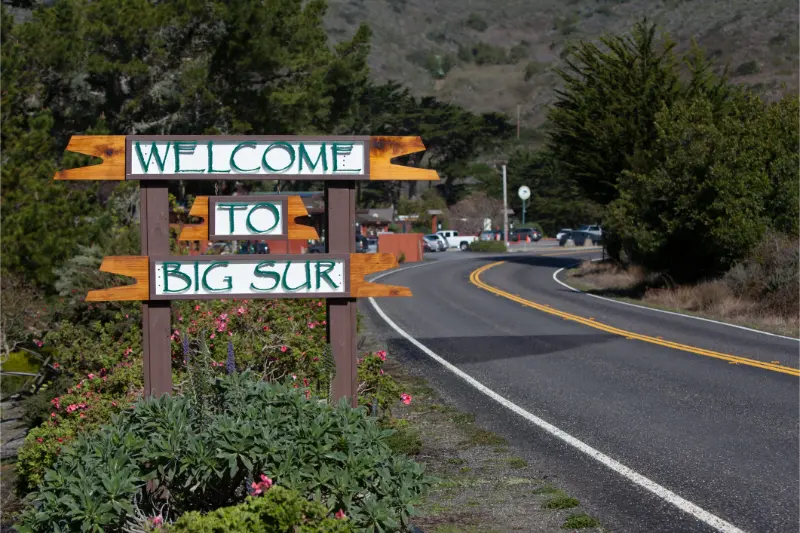

The Monterey Peninsula and Big Sur form one of California’s most rewarding short road trips because the scenery changes constantly without requiring huge distances. Monterey gives you marine life and history, Carmel-by-the-Sea adds a walkable village and beach, and Big Sur delivers the dramatic cliffs and coastal road that many travelers picture when they imagine Highway 1.
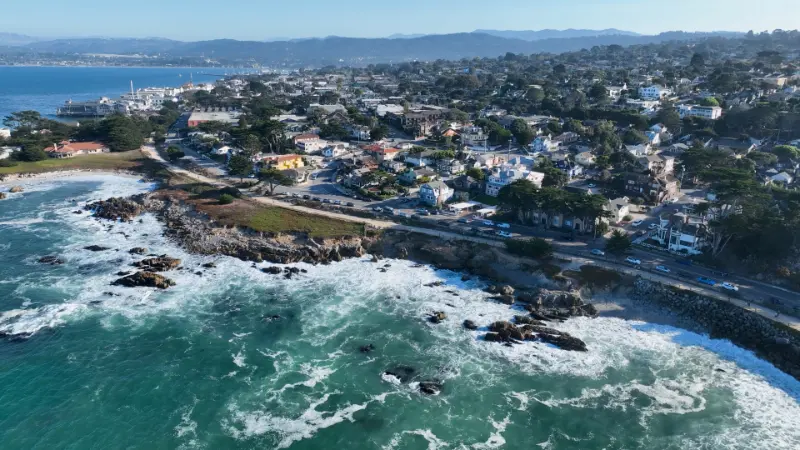
This route works especially well as an extension of San Francisco or as a focused section of the larger California road trip. In 2026, however, road-status checking is not optional: fires, slides and emergency work can close Highway 1 with little notice.
Planning this trip at a glance
- Ideal first stay: 4 days
- Best for: coastal scenery, wildlife, couples, photography and road trips
- Car needed?: yes
- Best bases: Monterey/Carmel plus one Big Sur night if available
- Critical planning tool: Caltrans QuickMap for Highway 1 status
A map makes the coast look compact, but scenic pullouts, traffic and road closures can transform a short drive into an all-day experience. Build the route around what is confirmed open, not around an old itinerary screenshot.
How many days do you need?
Two days can cover Monterey, Carmel and a quick Big Sur out-and-back, but four days gives the coast room to breathe. You can spend one day on the peninsula, one day on marine life and 17-Mile Drive, and one or two days south along Highway 1 depending on road status.
If Highway 1 is not fully open through the coast, do not treat that as a ruined trip. Big Sur can still work as an out-and-back from Carmel to the open section, and you can use US 101 for longer north-south transfers.
Best time for the Monterey and Big Sur coast
Late spring through autumn usually gives the longest days, but fog is part of the coastal climate and can appear even in summer. September and October often bring beautiful conditions, though wildfire risk can affect roads and air quality. Winter has dramatic surf and fewer visitors but a higher chance of storm-related closures.
Wildlife changes by season as well. Rather than choosing dates based on one generic “best month,” decide whether your priorities are whale watching, hiking, clear viewpoints, lower rates or a broader California road trip.
Where to stay
Monterey is practical for the aquarium, Cannery Row and a wider range of hotels. Carmel-by-the-Sea is more romantic and walkable for evenings but often more expensive. Staying one night in Big Sur can create a special experience, though accommodation is limited and prices are high.
If you are traveling on a tighter budget, base yourself on the peninsula and do Big Sur as a day trip. Do not book a non-refundable property south of a potential closure without understanding the cancellation policy and access route.
Highway 1 road status in September 2026
Highway 1 conditions can change quickly. Caltrans reported on September 2, 2026 that a northern Big Sur fire closure was being lifted while a southern closure remained in place from Pacific Valley to the Monterey/San Luis Obispo county line for Plaskett Fire response. That status can change again after publication.
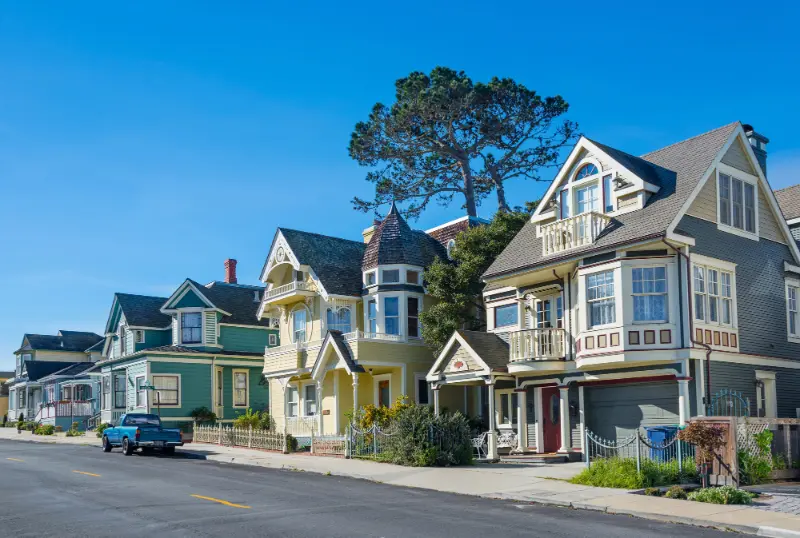
Before every Big Sur driving day, check Caltrans QuickMap and current District 5 notices. Never drive around a closure gate or rely on a travel blog that has not been updated for your exact date. If through-driving is impossible, use US 101 for the long-distance connection and treat Big Sur as a scenic out-and-back.
Best experiences in Monterey, Carmel and Big Sur
Visit Monterey Bay Aquarium
The aquarium is one of the strongest family and marine-life attractions in California. Give it several hours rather than trying to squeeze it between road-trip stops. Booking ahead is sensible during holidays and school breaks, and staying nearby means you can walk rather than search for parking at the busiest time.
Walk the Monterey waterfront
Cannery Row is tourist-oriented, but the coastal path, harbor and waterfront give you a good sense of place. Sea otters, seals and seabirds can appear surprisingly close to town. Bring layers because wind and fog can make the temperature feel much cooler than inland California.
Explore Carmel-by-the-Sea on foot
Carmel is best experienced slowly. Park once, walk the village streets, reach the beach and enjoy a meal rather than circling in the car. Architecture, gardens and small shops are part of the appeal, and the compact center is a useful break from long driving days.
Drive 17-Mile Drive selectively
17-Mile Drive offers coastal views, cypress trees and famous golf landscapes. It can be beautiful, but you do not need to stop at every signed viewpoint. Choose a handful, watch the clock and save energy for Big Sur.
Stop at Bixby Creek Bridge responsibly
Bixby Creek Bridge is one of the coast’s iconic views and also a place where unsafe roadside behavior creates problems. Use legal pullouts, never stop in the travel lane and skip the photo if parking is chaotic. There will be other viewpoints.
Hike in Big Sur
State parks such as Pfeiffer Big Sur, Andrew Molera and Julia Pfeiffer Burns can add redwoods, beaches and waterfall views depending on current access. Pick one substantial trail or park rather than trying to enter every site. Parking fills quickly on good-weather weekends.
Watch sunset without creating a dangerous drive
A Big Sur sunset can be spectacular, but the coast road is dark and winding afterward. Choose a viewpoint near your lodging or turn-around point, and account for the return drive before the sun disappears.
Keep one weather-flexible block
Fog can hide the coast in the morning and disappear later. A flexible schedule lets you shift the aquarium, Carmel or inland meals into the cloudiest hours and save open-road sightseeing for better visibility.
Where to eat and what to try
Seafood is an obvious choice in Monterey, while Carmel has a dense restaurant scene for its size. Big Sur dining is limited and often expensive, so check opening days and carry snacks rather than assuming a restaurant will appear at the next bend.
Road-trip days are better when lunch is simple. A long formal meal in the middle of the coast can mean reaching the best viewpoints in poor light or after parking lots fill. Save a reservation-style dinner for Monterey or Carmel.
A realistic 4-day Monterey, Carmel and Big Sur itinerary
- Day 1 – Monterey: Arrive, walk the waterfront, explore Cannery Row and have a relaxed dinner near your hotel.
- Day 2 – Aquarium and Carmel: Spend the morning at Monterey Bay Aquarium, then move to Carmel for village streets, beach time and sunset.
- Day 3 – Big Sur north/central section: Check Highway 1 status, stop at Bixby Creek Bridge, choose one park or trail and turn around before the drive becomes rushed.
- Day 4 – 17-Mile Drive or second coast day: Use the day for 17-Mile Drive, Point Lobos or a second Big Sur section based on weather and closures before continuing north or south.
If through-driving Highway 1 is fully open on your date, you can adapt this into a point-to-point trip. If not, do not force a detour through closed areas; the peninsula plus an out-and-back still delivers an excellent four-day coast experience.
Budget, reservations and practical planning
Fuel, mobile service and food options become more limited in Big Sur. Start with enough fuel, download maps and carry water. Parking rules should be taken seriously because roadside shoulders can be narrow and unsafe.
For the wider California trip, use our San Francisco to Los Angeles road-trip guide. It explains how this coast section fits into a larger itinerary without making every day a long drive.
Mistakes I would avoid
- Assuming Highway 1 is fully open because it was open last year: always check live status.
- Trying to stop at every viewpoint: select the best stops and leave time for one real walk.
- Driving Big Sur after a tiring full day: winding roads demand attention.
- Booking south-coast lodging without reading access and cancellation terms: closures can alter approach routes.
- Ignoring fog: build enough flexibility to move scenic driving to clearer hours.
How to fit this into a bigger USA trip
The easiest extension is San Francisco, followed by Monterey and Big Sur. If Highway 1 is open through the coast, continue toward San Luis Obispo and Los Angeles; if not, reconnect using US 101 and preserve Big Sur as a separate scenic day.
Travelers continuing south can use our Los Angeles guide or San Diego guide to keep city time balanced with the coast.
Extra planning advice for international visitors
If you are visiting from outside the United States, remember that driving distances, restaurant tipping, sales tax and hotel parking can work differently from what you are used to at home. Keep a small daily buffer in both time and budget. Do not schedule a long drive immediately after an overnight international flight, and make sure the name on rental-car and accommodation bookings matches your travel documents.
Mobile coverage can also become unreliable outside the city or in mountain and desert areas. Download offline maps, save reservation confirmations and keep the address of your accommodation available without internet access. For the broader logistics, read our essential USA travel tips before departure.
Final thoughts
Monterey, Carmel and Big Sur do not need a huge mileage total to feel like a major California road trip. Stay flexible, check Highway 1 every day, stop safely and give the landscape time. Four days lets you combine marine life, village atmosphere and dramatic coast without turning Highway 1 into a deadline.