

Philadelphia is one of the easiest U.S. cities to underestimate. Many visitors come for the Liberty Bell and Independence Hall, but the city also offers major art museums, distinctive neighborhoods, food markets, riverfront areas and a strong local identity. Three days is ideal for a first trip and the historic center is compact enough to explore largely on foot. Philadelphia also fits naturally between New York City and Washington, DC, making it one of the best additions to an East Coast train itinerary.
How many days do you need?
Two days can cover the historic district and one major museum, while three allows neighborhoods and food without rushing. Four days makes room for more museums, sports or a slower local experience.
Philadelphia is particularly useful in a multi-city trip because rail connections reduce the need for a rental car. Combine the New York City guide with the Washington DC guide for a broader East Coast route.
Where to stay
Center City is the simplest first base because it keeps major attractions, restaurants and transit close. Old City is ideal for early access to historic sites, while Rittenhouse offers restaurants and a polished central neighborhood feel.
If you are arriving by train, check the route from 30th Street Station to the hotel before booking. A slightly more expensive central room may save enough local transport and time to justify the difference.
Independence Hall tickets in 2026
Independence Hall uses timed tours and tickets may be required depending on operations. The National Park Service states that when reservations are necessary they can be booked up to 30 days in advance, with a small administrative fee. Review the official Independence Hall ticket page for your exact date.
Arrive early enough for security screening. Do not schedule another timed attraction immediately after the tour because delays and questions can extend the visit.
Liberty Bell and the historic district
The Liberty Bell Center does not normally require the same timed ticket as Independence Hall, and many historic buildings are concentrated within a short walk. Start early before the area becomes busiest.
Read beyond the famous symbols. Independence National Historical Park tells stories about the creation of the United States, but the wider city also contains histories of free and enslaved Black people, immigration, labor and political conflict.
Reading Terminal Market
Reading Terminal Market is an excellent place to experience Philadelphia through food, especially if your group wants different things. Go outside the busiest lunch period if possible and do not plan a large restaurant meal immediately afterward.

Philadelphia food is broader than cheesesteaks. Roast pork sandwiches, pretzels, bakeries, regional specialties and diverse immigrant cuisines deserve space in the itinerary.
Museums: choose by interest
The Philadelphia Museum of Art and Barnes Foundation can each absorb several hours. Science, history and specialized museums add many more options. Pick one major collection rather than trying to “do the museum district” as a checklist.
The famous steps are only a small part of the Philadelphia Museum of Art experience. If you pay admission, leave enough time for the collection instead of treating the building as a photo stop.
Neighborhoods beyond the core
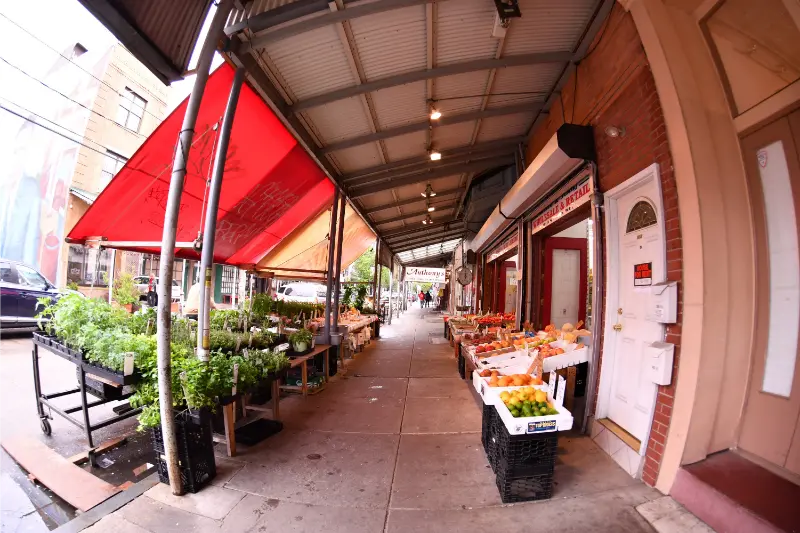
Rittenhouse, Society Hill, South Street, Italian Market areas and Fishtown show very different sides of Philadelphia. Choose one or two based on dining, nightlife or architecture and spend time walking locally.
Public transport and rideshare can bridge neighborhoods, but the historic core itself is highly walkable. Comfortable shoes are more useful than a rental car for a first city trip.
A realistic 3-day Philadelphia itinerary
- Day 1: Independence Hall, Liberty Bell, Old City and Delaware River area
- Day 2: Reading Terminal Market, museum district and Rittenhouse
- Day 3: choose a major museum, South Philadelphia or a neighborhood-focused day
If Independence Hall availability dictates the first day, move the other pieces around it. The city is compact enough that you do not need to rebuild the whole itinerary.
Philadelphia with children
Families can balance historic sites with interactive museums, parks and food stops. Young children may not want several hours of political history in succession, so alternate structured tours with open space.
The USA with kids guide has broader advice on pacing, hotels and transport for family trips.
Philadelphia as part of an East Coast trip
New York, Philadelphia and Washington form a logical rail corridor. This is one of the U.S. routes where renting a car can add cost and inconvenience rather than freedom.

Use the USA transportation guide to compare train, bus and flight options before building the multi-city schedule.
Related USA travel guides
Extra practical planning notes
If Independence Hall is your highest priority, secure that time before booking a non-refundable museum tour or restaurant lunch. One small timed reservation can determine the most logical order for the entire historic-district day.
Philadelphia weather can change significantly across seasons. Summer humidity and winter cold both affect walking-heavy itineraries, so use indoor markets and museums as deliberate recovery periods.
If you are trying both famous cheesesteak shops and less tourist-oriented food, split them across meals rather than turning the day into a sandwich comparison. The city’s food identity is far richer than one dish.
On an East Coast rail trip, stay near a useful transit connection rather than choosing a hotel only by room price. Easy station access can save time on both arrival and departure days.
Sports can strongly affect local atmosphere and transport. If a major game overlaps your dates, hotel prices and restaurant demand may change. It can also be a memorable addition if you genuinely enjoy American sports.
Keep one evening unstructured. Philadelphia has excellent neighborhood restaurants and bars, and choosing dinner based on where you enjoyed walking that afternoon can feel more natural than crossing the city for a famous reservation.
How I would keep this itinerary realistic
For a Philadelphia for first-time visitors trip, I would protect at least half a day with no non-refundable reservation. Traffic, weather, parking, queues and simple fatigue can change the pace of a U.S. trip. That open block can absorb a delay or become time for the place you unexpectedly enjoy most.
I would also keep all hotel addresses, ticket confirmations, transport notes and official alert pages in one offline folder on the phone. This is more useful than a long printed itinerary because the practical information is available even when mobile data is weak. A portable battery is worth carrying on long sightseeing days because tickets, maps and rideshare apps all depend on the phone.
Before each morning, I would check the weather, the first major attraction’s operating status and the estimated transfer time. This takes only a few minutes but prevents many avoidable problems. If conditions change, move the flexible parts of the day rather than forcing the original sequence.
Budget should also include parking, taxes, tips, baggage, local transport and one emergency margin. These small charges are easy to ignore when planning from Europe but can materially affect the final cost. The goal is not to predict every dollar; it is to avoid being surprised by normal expenses.
Finally, I would choose one priority experience per day and treat the rest as optional. A trip becomes tiring when every attraction is defined as essential. Protecting the best experience, a good meal and enough sleep usually creates a stronger memory than completing a longer checklist.
Final pre-departure checklist
About a week before departure, I review the trip in chronological order: airport arrival, first hotel, each intercity transfer, any timed ticket, rental-car pickup or return, and the final airport journey. I save confirmation numbers offline and note cancellation deadlines. For outdoor destinations I recheck road, trail and weather alerts; for cities I check major events that could affect traffic or opening hours. I also confirm that every traveler has the correct identification and any documents required for border crossings or transportation. Once those basics are covered, I stop adding attractions. The itinerary should leave enough space for delays, local recommendations and simple rest.
One more practical check is to look at the final hour of each day. Make sure the return to the hotel is realistic, especially after evening events, mountain drives, theme parks or long walks. Knowing the last transit option, parking location or rideshare pickup area removes unnecessary stress. I would also keep one simple meal option near the hotel for days when the group returns tired. These details are not exciting during planning, but they often determine whether an itinerary feels comfortable once you are actually traveling.
For this Philadelphia for first-time visitors plan, I would also review the next morning before ending each day. Check the first transfer, opening time, weather and any ticket requirement while you still have reliable Wi-Fi and time to adjust. That small habit prevents a late discovery from turning into a rushed start. Keep water, a charged phone and one backup activity ready, and avoid scheduling the first reservation so tightly that normal traffic or breakfast delays create stress. A strong itinerary should remain useful even when one detail changes.