

U.S. national parks are among the strongest reasons to travel around the country, but the practical side has become more important. Popular parks can require reservations for specific roads, tours or time periods, lodging may sell out months ahead, and 2026 introduced major fee changes for non-U.S. residents. A little preparation can be the difference between an unforgettable day and arriving at a full parking lot with the wrong pass.
Start with the official park page, not a generic list
Every national park has different roads, weather, reservations and seasonal services. Before building a route, open the official National Park Service page for each park and read the “Plan Your Visit” and alerts sections. Then repeat the check close to departure because road openings, fire restrictions and reservation systems can change.
The central National Park Service entrance passes page is the best place to start for current pass information. Individual park pages provide the details that a national summary cannot.
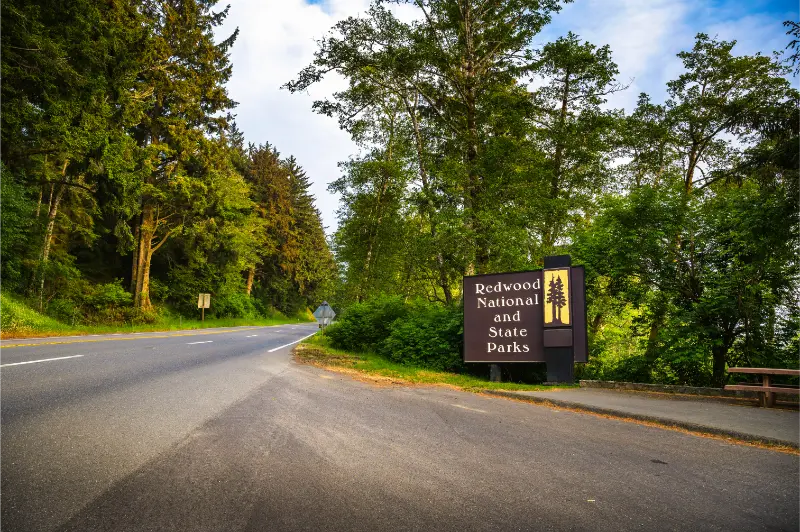
The 2026 America the Beautiful pass system
The America the Beautiful interagency pass covers entrance fees and standard day-use fees at more than 2,000 federal recreation sites managed by several agencies. In 2026, the standard annual-pass price differs by residency: the Resident Annual Pass is $80 for eligible U.S. citizens and residents, while the Non-Resident Annual Pass is $250 for non-U.S. residents.
For international visitors doing a multi-park road trip, the non-resident pass can be important because of the additional 2026 fee rules at selected parks. Always verify current terms before purchase because policies can change after this article is published.
The new $100 nonresident fee at 11 parks
Beginning in 2026, non-U.S. residents aged 16 and older visiting 11 specified national parks can be charged a $100 nonresident fee in addition to the standard entrance fee unless valid pass coverage applies. The parks are Acadia, Bryce Canyon, Everglades, Glacier, Grand Canyon, Grand Teton, Rocky Mountain, Sequoia & Kings Canyon, Yellowstone, Yosemite and Zion.
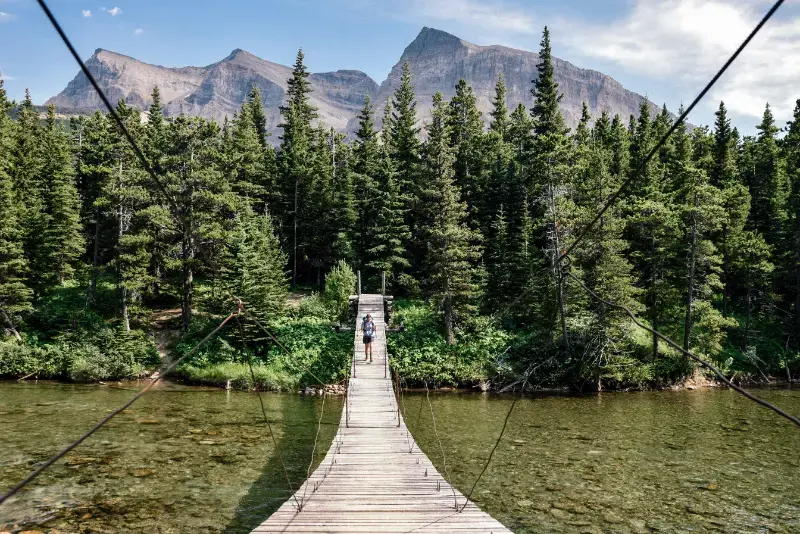
The National Park Service states that the $250 Non-Resident Annual Pass covers the passholder and the applicable party under the pass terms, including nonresident fees. For a couple or family visiting several of these parks, compare the pass cost with paying individual nonresident fees. Check the official NPS nonresident fees page for the current rules.
A pass does not replace reservations
Entrance fees and reservations are different systems. Having an America the Beautiful pass does not automatically give you a timed-entry reservation, campground, tour ticket or parking space. Some high-demand areas use separate booking systems, often through Recreation.gov.
This distinction causes confusion. Think of the pass as payment for eligible entrance fees, while reservations manage access at specific times or places. You may need both.
Timed entry changes from year to year
Popular-park reservation systems are not permanent national rules. For example, Rocky Mountain National Park uses timed entry during specified 2026 dates and hours, while other parks may change or remove systems from previous years. This is why old blog posts and social videos can be misleading.
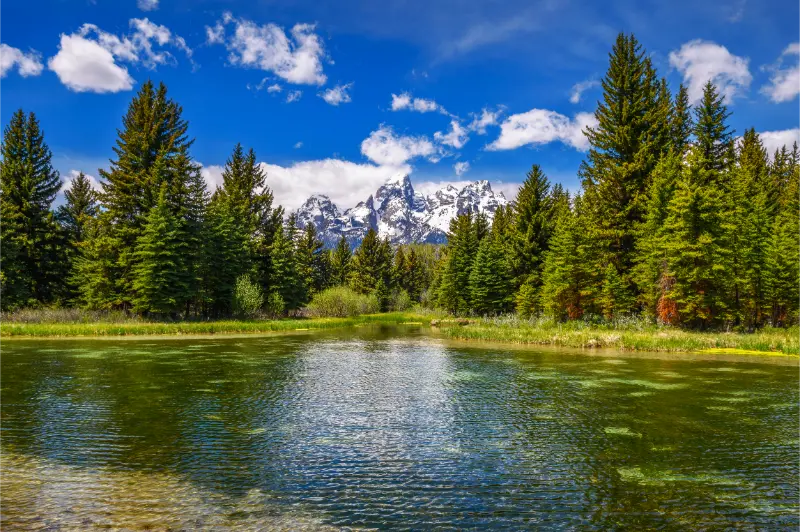
Check the exact year of travel. If a reservation opens on a specific release date, set a reminder and understand the time zone. Some systems also release a smaller number of spaces closer to the visit.
Lodging near parks can sell out early
Hotels and lodges inside or near famous parks often have limited supply. In Yellowstone, Yosemite, Zion and other high-demand areas, the most convenient rooms can disappear long before summer. Staying farther away may save money but adds driving at the beginning and end of every day.
If the park is the centerpiece of the trip, I prioritize location. An extra hour of driving each way means two lost hours per day and can make it harder to arrive before parking fills.
Campgrounds require the same level of planning
Camping is not always spontaneous in the most popular parks. Many campgrounds use advance reservations, while some have first-come or seasonal rules. Services can range from developed sites to basic facilities.
Read food-storage requirements in wildlife areas and understand generator, fire and quiet-hour rules. Never assume that a campsite includes electricity, showers or cell service.
Seasonal roads can change the entire itinerary
High mountain roads may close for snow and remain closed into late spring or early summer. Winter access can be limited in parks that are easy to drive in August. Other parks become dangerously hot in summer even though roads remain open.
Plan around the season rather than forcing the same route year-round. The best time to visit the USA guide explains broader seasonal patterns, but the official park page should always make the final decision.
Start early, but understand why
Early starts are not only about sunrise photography. They can reduce heat exposure, improve parking availability and create more time for slow traffic, shuttle systems or wildlife delays. In very popular parks, arriving late morning can mean full lots and long queues.
However, do not drive exhausted in darkness just to be first at a trailhead. Staying closer to the park and sleeping properly is a better safety strategy than forcing a pre-dawn departure after a long driving day.
Water, heat and altitude
Desert parks can be dangerously hot, and high-elevation parks can feel much colder than nearby towns. Altitude can also make hiking more tiring for visitors arriving from sea level. Carry sufficient water, sun protection and layers appropriate to the route.
In hot regions, choose trail length based on temperature, not on what you can normally hike at home. Turn around early if conditions become uncomfortable. Rescue is not a substitute for conservative planning.
Wildlife needs distance
Bison, bears, elk, moose and other wildlife are not photo props. Follow park distance rules and never approach or feed animals. Wildlife jams also create traffic hazards, so pull over only where permitted and keep the roadway clear.
Food storage is especially important in bear country. Use lockers, bear boxes and campground procedures exactly as instructed.
Offline maps and limited service
Cell coverage can be poor or absent in parks and along approach roads. Download maps, reservations and key addresses before entering. Keep the next fuel stop in mind, especially in desert and mountain regions where services are widely spaced.
A paper map is still useful on a complex road trip. Batteries fail; printed information does not.
Shuttles can be better than driving
Some parks operate seasonal shuttle systems to reduce congestion. When available, they can remove the stress of searching for parking and let everyone enjoy the scenery. Learn the route, operating hours and last return time before starting the day.
If a shuttle is mandatory or recommended for a popular corridor, build the itinerary around it rather than resisting it with a private car.
A realistic multi-park strategy
The Southwest makes it tempting to collect parks like stamps. I prefer fewer parks with enough time to hike, watch a sunset and experience more than the visitor center. Two nights in Zion can be more memorable than one rushed day each in three parks.
The USA itinerary ideas show how to combine parks without turning every day into a transfer.
National park checklist
- Official park alert checked
- Entrance fee or pass understood
- Any timed-entry or tour reservation confirmed
- Accommodation or campground confirmed
- Seasonal road status checked
- Offline map downloaded
- Water and weather layers packed
- Fuel planned before remote sections
- Wildlife and food-storage rules reviewed
- Sunrise/sunset or shuttle timing saved
Final thoughts
National parks reward preparation, but they should not feel over-engineered. Once the essentials are secured, leave room to slow down. A short unplanned trail, a wildlife sighting from a safe distance or an hour at a viewpoint can become the highlight of the entire USA trip.
The practical rules change more often than the landscapes. Verify fees and reservations before travel, then spend the day looking at the park rather than at your phone.
Related USA travel guides
How to make this advice work for your own trip
The practical value of any US national parks guide guide depends on applying it to your exact dates, route and travel style. I recommend creating one simple planning document with confirmed bookings, estimated transfer times, cancellation deadlines and the few rules that are easy to forget. Keep it short enough to use on the road. A plan that requires reading ten pages every morning is not a useful travel plan.
Before paying for a non-refundable booking, ask three questions: does this choice reduce unnecessary travel time, does it fit the realistic daily budget, and does it still work if the day before changes? This small test catches many itinerary problems. It also helps separate genuinely important reservations from things that can be decided after arrival.
My final pre-departure review
About a week before traveling, I review every transport segment in chronological order. I confirm airport terminals where available, hotel check-in details, rental-car pickup, key attraction reservations and any park alerts. I also check the weather for the first several days and adjust clothing or driving plans if necessary. This final review is not about rebuilding the itinerary; it is about removing avoidable surprises.
- All reservation names match the traveler documents.
- Important addresses and confirmation numbers are saved offline.
- Cancellation deadlines are noted.
- Driving days have a realistic arrival time.
- Cards, insurance and mobile data are ready.
- Any current official rule that could affect the trip has been rechecked.
Once those basics are covered, stop optimizing. A vacation needs space for weather, mood and discovery. The most useful plan is not the one with the most detail; it is the one that makes good decisions easy while leaving enough freedom to enjoy the United States as you actually find it.