

Jackson Hole and Grand Teton National Park create one of the most dramatic mountain trips in the United States. The Tetons rise abruptly from the valley, wildlife can appear beside the road, and the park’s lakes and viewpoints make even a short visit feel visually intense. The planning challenge is that Jackson, park entrances, trailheads and Yellowstone connections are spread across a much larger area than first-time visitors expect.
I would give the area at least four days if Grand Teton is the main reason for traveling. That leaves room for weather, wildlife traffic and the slower pace that mountain roads demand. It also connects naturally with our Yellowstone and Grand Teton road-trip guide.
Planning this trip at a glance
- Ideal first stay: 4 days
- Best for: mountains, wildlife, hiking, photography and scenic drives
- Car needed?: yes for most first-time itineraries
- Main bases: Jackson, Teton Village or in-park lodging when available
- Closest airport: Jackson Hole Airport (JAC)
Jackson, Jackson Hole and Grand Teton: what is what
Jackson is the town. Jackson Hole is the valley. Grand Teton National Park occupies much of the mountain and lake landscape north of town. Keeping those distinctions clear helps with hotel searches and driving times.
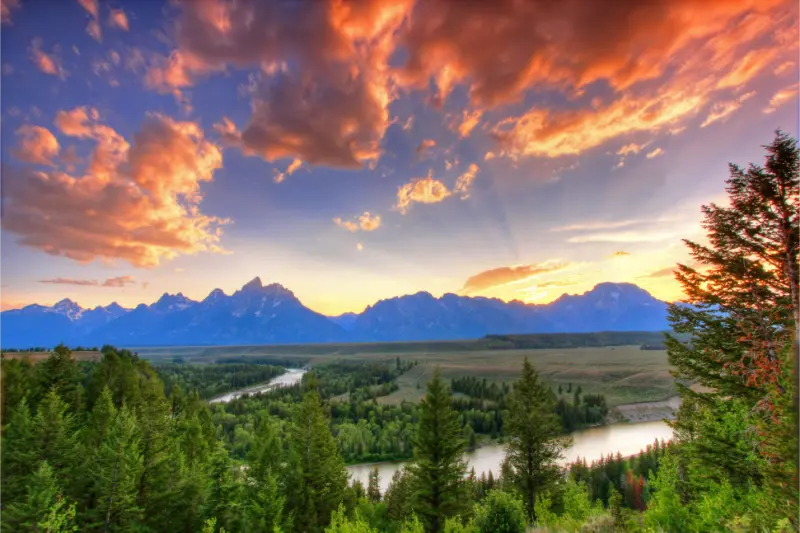
Jackson offers the widest choice of restaurants, shops and services. Teton Village is closer to the ski area and some western approaches. In-park lodging reduces daily driving but books early and can be expensive.
Best time to visit
Summer brings the fullest access but also the largest crowds. September is beautiful and often calmer, with cool mornings and active wildlife, though services begin reducing later in the season. Spring is quieter but many trails remain snowy or muddy. Winter creates a completely different trip centered on snow, wildlife tours and skiing.
I would never plan a shoulder-season itinerary without checking the current NPS road and facility status. Mountain access is seasonal, not guaranteed by the calendar alone.
The scenic drive strategy
Grand Teton is ideal for a loop that combines Teton Park Road with the outer highway, stopping at viewpoints rather than racing from one famous photo spot to another. Mormon Row, Snake River Overlook, Oxbow Bend, Jenny Lake and Jackson Lake can anchor the drive, but wildlife, weather and construction may change the best order.
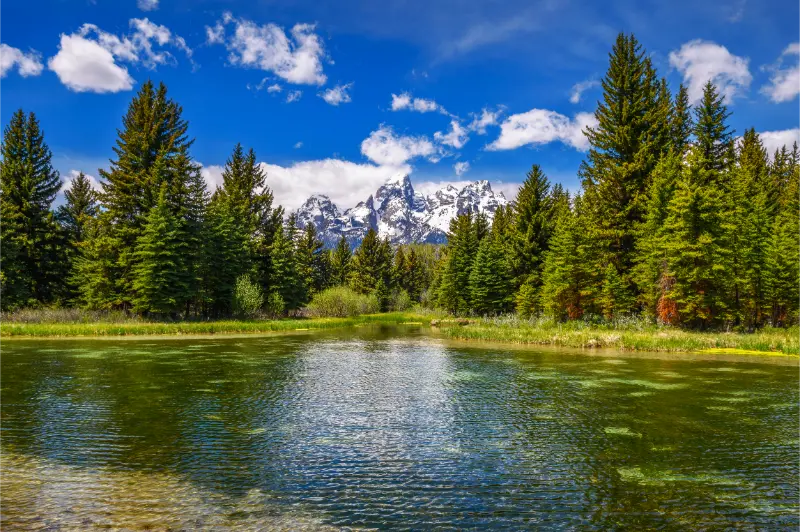
Start early. Parking at popular trailheads can fill, and sunrise or early morning often provides calmer conditions and better wildlife-viewing opportunities.
Hiking for a first visit
Choose one substantial hike that matches your fitness and the day’s weather, then keep other walks short. Jenny Lake and nearby canyon routes are popular for good reason, but they are not the only options. Ask a ranger about trail conditions when you arrive.
Bear-aware hiking practices matter throughout the region. Carry bear spray where recommended, know how to use it, keep food secured and never approach wildlife for photographs.
Jackson town and slower moments
Jackson works well as an evening base after park days. Walk the town square, browse galleries and have a relaxed dinner rather than turning every evening into another drive. A half-day in town is also useful when mountain weather is poor.
If you are interested in western culture, museums, wildlife art and nearby historic areas can add context without requiring a hard hike.
A realistic 4-day Jackson Hole and Grand Teton itinerary
- Day 1 – Jackson and valley orientation: Keep arrival day easy, explore town and take a short scenic drive if daylight allows.
- Day 2 – Jenny Lake and central park: Start early, choose a hike around Jenny Lake or nearby canyons, then finish with viewpoints on Teton Park Road.
- Day 3 – Wildlife and northern park: Focus on Oxbow Bend, Jackson Lake and the northern valley, leaving enough time for wildlife stops and changing conditions.
- Day 4 – Flexible mountain day: Use the day for a second hike, a float or scenic activity, or keep it as weather insurance before continuing toward Yellowstone.
Budget and booking strategy
Jackson Hole is not a cheap destination in peak summer. Accommodation, rental cars and guided wildlife activities can push the budget quickly. Booking early matters more here than in many U.S. cities because supply is limited by geography and park boundaries.
For national-park costs and pass planning, read our U.S. national parks guide before choosing a pass.
Important 2026 planning note
Grand Teton has major infrastructure work in 2026. The National Park Service advises visitors to expect road and trail impacts and to check current conditions before driving. As of September 2026, several areas have closures or delays, and schedules can change. Use the official Grand Teton road-construction page and current conditions page immediately before the trip.
Mistakes I would avoid
- Booking only two nights: mountain weather and long drives make such a short stay fragile.
- Assuming every park road is fully open: seasonal closures and construction can alter routes.
- Approaching wildlife: distance is a safety rule, not a photography suggestion.
- Arriving late at popular trailheads: parking can become the hardest part of the hike.
- Scheduling Yellowstone and Grand Teton as one compressed day: each deserves dedicated time.
How to combine this with a bigger USA trip
The classic extension is Yellowstone. Use our Yellowstone and Grand Teton guide to decide whether to sleep inside Yellowstone, near an entrance or return south. Travelers continuing farther west can connect toward Idaho, while those heading south can build a longer Rocky Mountain route.
For a larger western itinerary, our USA itinerary ideas help decide whether this region should be its own trip rather than squeezed between California and the Southwest.
Extra practical advice for international visitors
If you are coming from outside the United States, build a little more time into airport arrival, rental-car collection, hotel check-in and long driving days. Sales tax is often added at the register, restaurant tipping is part of the normal budget, and parking can transform the true cost of an apparently inexpensive hotel. Our essential USA travel tips and USA travel-cost guide explain these details in more depth.
I also save offline maps, screenshots of reservations and the exact hotel address before leaving reliable Wi-Fi. In large metro areas, neighborhoods can be far apart even when they look close on a map; in rural areas and national parks, mobile coverage can disappear completely. Treat transfer time as part of the itinerary rather than dead time and avoid scheduling an ambitious drive immediately after a long overnight flight.
Family, accessibility and weather flexibility
A strong itinerary should fit the travelers actually taking the trip. Families usually benefit from fewer daily stops, regular meal breaks and one flexible block each afternoon. Travelers with mobility needs should check the official accessibility information for specific attractions, trails, historic buildings, transit systems and parking areas because conditions can vary even within the same destination.
I also build a weather alternative into every day. A museum, scenic drive, shorter viewpoint, market, aquarium or long lunch can replace an outdoor plan when heat, storms, wildfire smoke, snow or high wind changes the day. That simple backup prevents one weather problem from feeling like a lost vacation day.
What to pack for Grand Teton
Even in summer, pack a warm layer, rain shell, sun protection and sturdy footwear. Temperatures can swing quickly between a cold sunrise and a warm afternoon. For longer walks, carry water, food and a small first-aid kit. Bear spray is widely recommended in the region; buy or rent it locally if airline rules prevent you from flying with it, and learn how to use it before stepping onto a trail.
Binoculars are more useful than trying to move closer to wildlife. They make elk, moose, bison and bears safer to observe and reduce the temptation to block roads or approach animals.
If you have only two days — or a full week
With two days, stay in Jackson or inside the park and focus on one scenic loop plus one short hike. Do not add Yellowstone. With six or seven days, use Grand Teton for three or four nights and Yellowstone for another three. Moving accommodations north saves repeated driving and lets you experience early morning and evening wildlife hours in both parks.
Photography and wildlife etiquette
The famous viewpoints are beautiful, but parking can create congestion when everyone stops at once. Pull completely off the road only in designated areas, never stop in a travel lane for wildlife, and follow ranger instructions during animal jams. Sunrise light is excellent, yet it also means driving in darkness when wildlife is active. Slow down and assume an animal could be on the road beyond every bend.
Where to stay and how to reduce driving
Jackson has the widest range of restaurants and services, but it is not automatically the best base for every park day. Staying inside the park or closer to the northern section can reduce early-morning driving, especially if Yellowstone follows. Teton Village can work well for travelers who want resort facilities or activities on the west side of the valley.
When comparing rates, calculate time as well as money. A cheaper room that adds ninety minutes of driving every day can be poor value when sunrise wildlife viewing is a priority. If you split the stay, do it once: for example, two nights near Jackson followed by two nights farther north. Constant hotel changes are not worth it.
Final thoughts
Jackson Hole and Grand Teton are worth slowing down for. Early mornings, one good hike, one full scenic loop and enough spare time for wildlife or weather will produce a better trip than an aggressive checklist. The landscape does most of the work; your job is to leave enough space to experience it.