

Naples and Marco Island is the kind of destination that rewards a slower first visit. It may not require the same amount of advance planning as New York or a major national park, but choosing the right base, understanding transportation and leaving space for neighborhoods can make the difference between a rushed stop and a trip that actually feels connected to the place.
For a first trip, I would plan about 4 days. That is enough time to see the major sights without turning every morning into an early checkout. The most important principle is to group attractions geographically. American cities can look compact on a map while still requiring time for traffic, parking, heat, weather or simple walking fatigue.
Quick planning guide
- Recommended stay: 4 days
- Best time for most visitors: November through April for lower humidity and comfortable outdoor weather, with summer bringing heat, afternoon storms and often better accommodation value
- Car: A rental car is the practical choice because the experience is spread among downtown Naples, beaches, natural areas and Marco Island. Parking rules differ by beach access, so check the current city or county information before assuming every access point has visitor parking.
- Good for: first-time USA travelers, couples, families, road trippers and travelers who prefer a mix of sightseeing and local atmosphere
Why visit Naples and Marco Island?
The strongest reason to include Naples and Marco Island in a USA itinerary is variety. The destination offers enough recognizable sights to structure a trip, but the more memorable moments often come from walking a neighborhood, taking a waterfront route, sitting down for a regional meal or changing plans because a local recommendation sounds better than the next item on the list.
This makes Southwest Florida particularly useful in a longer American journey. Instead of adding another day filled only with headline attractions, you can combine history, food, architecture and outdoor time. If you are traveling internationally, that balance is also a good way to manage jet lag and avoid exhausting the entire group during the first days.
Best time to visit
For most travelers, the most comfortable period is November through April for lower humidity and comfortable outdoor weather, with summer bringing heat, afternoon storms and often better accommodation value. Weather is only one part of the decision, however. Hotel prices can rise sharply around festivals, conventions, sports events and school holidays, so check the local event calendar before locking in non-refundable accommodation.
Summer travel often requires a different daily rhythm. Start outdoor sightseeing earlier, keep the hottest part of the afternoon flexible and carry water. In cooler months, daylight becomes the limiting factor instead. I prefer to schedule the most important outdoor stop first and leave museums, markets or cafes as weather-resistant options later in the day.
No matter when you travel, verify opening days a few days before arrival. Many U.S. museums close one day per week, seasonal services may use reduced hours and special events can change access or parking. A flexible itinerary is more valuable than a list with every hour assigned.
Where to stay
For a first visit, location usually matters more than gaining a little extra hotel space. A cheaper room far from the places you want to see can become more expensive after parking, rideshare trips and lost time. I would compare the total trip cost rather than the room rate alone.
- Old Naples / Fifth Avenue South: best for walkable dining, shopping and an elegant central base.
- North Naples: convenient for Delnor-Wiggins, Vanderbilt Beach and travelers who want more resort-style options.
- Marco Island: best for a quieter island stay, beach time and boat access toward the Ten Thousand Islands.
If you are traveling with a car, check the nightly parking charge before booking. In many American cities, parking is one of the largest hidden hotel costs. Travelers without a car should look at the final walk back to the hotel at night and whether useful public transport still runs at that hour.
Check hotels in Southwest Florida. I prefer refundable rates when the trip is still several months away, especially if flights, weather-sensitive plans or a wider road trip could change.
Getting around
A rental car is the practical choice because the experience is spread among downtown Naples, beaches, natural areas and Marco Island. Parking rules differ by beach access, so check the current city or county information before assuming every access point has visitor parking.
Do not rent a car automatically just because you are traveling in the United States. If the first two days are concentrated in a walkable center, it can be cheaper to rent only when you leave for day trips. When a car is necessary, photograph it at pickup, understand toll and fuel policies and keep luggage out of sight when parked.
For broader driving advice, see our USA road trip guide. It explains rental cars, tolls, parking and practical road rules that often surprise international visitors.
Best things to do in Naples and Marco Island
Walk Old Naples and Fifth Avenue South
Old Naples gives the area its polished small-city atmosphere. Walk Fifth Avenue and Third Street, but also turn toward quieter residential blocks and the waterfront. This is one of the few parts of the trip where leaving the car parked can improve the experience.
Choose a Naples beach strategically
Naples has many public beach access points, but visitor parking is not identical at all of them. Current local tourism information notes metered city parking at some locations and separate county beach fees. Pick the beach after checking access and parking rather than driving from lot to lot at midday.
Spend a beach day on Marco Island
Marco Island is more resort-oriented and less urban than Naples. Tigertail Beach and South Marco Beach are the main public-access choices for many visitors, each with a different layout and parking situation. Arrive earlier on high-demand weekends and holidays.
Explore the Ten Thousand Islands
The mangrove coast south of Naples is one of the best reasons to add nature to a beach trip. A guided boat or kayak outing can reveal wildlife and a landscape that is difficult to understand from the road. Choose operators based on group size, naturalist focus and weather policy.
Visit Corkscrew Swamp Sanctuary or another nature preserve
Southwest Florida is not only sand. Boardwalks and preserves can provide excellent birding and a close look at cypress and wetland ecosystems. Go early for cooler temperatures and better wildlife activity.
Plan sunset as an activity
Gulf sunsets are one of the simplest highlights of this region. Instead of scheduling dinner exactly at sunset every night, keep one evening open, reach the beach early and let the light become the main event.
Use Naples as a gateway to the Everglades
The western approaches to Everglades country are within road-trip range, but distances and tour departure points matter. If the national park is a priority, dedicate a full day or continue south as part of a larger Florida route rather than squeezing it between beach plans.

What and where to eat
Seafood, stone crab in season, Gulf fish and polished contemporary restaurants are common across Naples and Marco Island. Prices can rise quickly in waterfront and resort locations, so mix one special dinner with casual lunches, bakeries or simple seafood stops. Reservations become more valuable during the winter high season, especially for popular restaurants near Fifth Avenue and resort districts.
One practical rule helps almost everywhere in the USA: do not assume the restaurant closest to a major attraction is the best place to understand the local food scene. Walk a few blocks into the surrounding neighborhood, compare menus and use lunch for experimentation. This also makes it easier to control the budget without reducing the trip to fast food.
Remember that menu prices may not include sales tax, and table-service restaurants generally involve tipping. Our USA travel costs guide explains the expenses that international visitors most often underestimate.
A realistic 4 days itinerary
- Day 1: Explore Old Naples, Fifth Avenue South and a nearby beach, keeping the evening for sunset.
- Day 2: Choose a Naples nature stop and a second beach, with a relaxed dinner away from the busiest waterfront blocks.
- Day 3: Spend the day on Marco Island and add a boat or kayak excursion if conditions are good.
- Day 4: Choose the Ten Thousand Islands, Corkscrew Swamp Sanctuary or a longer Everglades-focused day trip.
Use this as a framework rather than a schedule to follow minute by minute. If one neighborhood is working particularly well, stay longer. The goal of a first visit should be to understand the shape of the destination, not to prove that you can visit the maximum number of attractions.
How much should you budget?
Accommodation is usually the largest variable. Weekends, special events and high season can change hotel prices far more than small differences in food or transit. Parking is the second expense I check because a seemingly reasonable downtown hotel can add a substantial nightly fee.
Food budgets are flexible. A bakery or market breakfast, casual lunch and one sit-down dinner can keep the day enjoyable without making every meal expensive. Attraction costs depend on whether you prefer museums, guided tours or mostly free outdoor sightseeing. Build the budget around two or three paid priorities, not every possible ticket.
Keep a contingency amount for weather changes, baggage fees, parking, tips and last-minute transport. That buffer is especially useful on a road trip because an unexpected hotel night or route change can otherwise affect the rest of the itinerary.
Families, older travelers and accessibility
Naples and Marco Island can work well for different travel styles when the day is paced realistically. Families should alternate one structured attraction with an outdoor or flexible stop. Older travelers may prefer a central hotel even when it costs more because reducing daily transport can be worth the difference.
Accessibility varies by historic building, trail, beach or transit system. Check official accessibility pages for the exact attractions you plan to visit, particularly when an itinerary involves older architecture, steep grades, sand or boats. Do not rely only on photographs or generic statements that a destination is “walkable.”
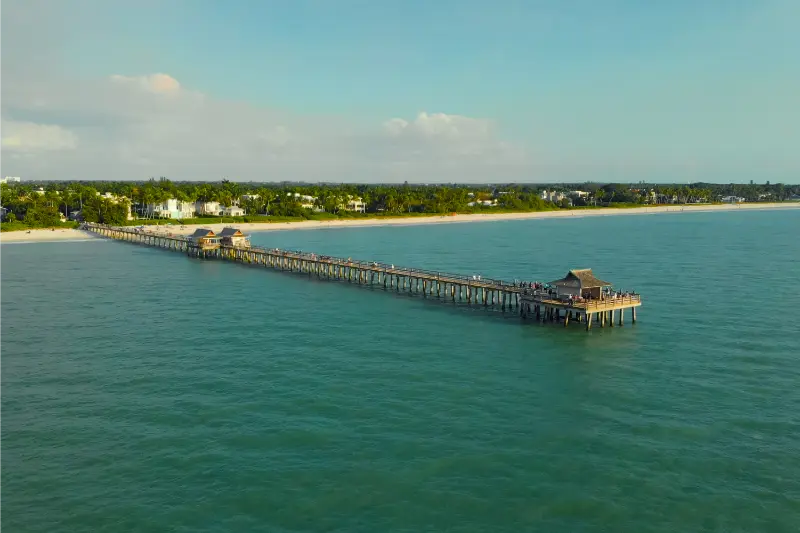
Current information worth checking
Before the trip, verify current operating details through the Visit Naples beach information. I use official sources for fees, closures, service changes and reservation rules, then use tourism sites and maps for inspiration. This becomes particularly important in 2026 because transportation projects, weather events and seasonal operations can change faster than printed guidebooks.
How to combine Naples and Marco Island with a longer USA trip
Naples and Marco Island works best when it connects naturally to destinations already on your route instead of requiring a flight or long drive solely to add another pin to the map. Useful related planning pages on MyUSAExperience include Everglades National Park guide, Key West guide, Florida travel guide.

For international travelers, open-jaw flights and one-way car rentals can sometimes reduce backtracking, but compare drop fees and flight prices before assuming they save money. The best itinerary usually has fewer bases, longer stays and shorter transfer days.
Common mistakes to avoid
- Trying to see everything: choose a few priorities and allow time for neighborhoods.
- Ignoring event calendars: festivals and sports can change hotel prices and traffic.
- Underestimating parking: check hotel and attraction parking before the trip.
- Scheduling outdoor sights at the worst time of day: adjust for heat, storms, cold or limited daylight.
- Booking every meal: keep enough flexibility to follow local recommendations.
- Skipping official checks: hours, fees and access rules can change even after the rest of the itinerary is finished.
Final thoughts
A strong first trip to Naples and Marco Island is less about collecting attractions than creating a route that feels natural. Stay in a useful location, group sights by area, make transport part of the planning and protect at least one unstructured block of time.
If the destination becomes a favorite, the first visit should leave something for next time. That is usually a sign that the itinerary had the right pace.