

A road trip between San Francisco and Los Angeles is one of the classic ways to experience California because the journey can combine two very different cities with ocean cliffs, beach towns, wine country, redwood landscapes and optional detours into the mountains or desert. The mistake is thinking of it as a simple drive from point A to point B. The route becomes memorable when you give the coast enough time, check road conditions and decide in advance which experiences matter more than collecting stops.
How much time do you need?
Five days is the minimum I would consider for San Francisco to Los Angeles if the coast itself is part of the trip. Seven to ten days is much better, especially if you want two or three nights in each city. With two weeks, you can add Yosemite, Sequoia, Napa or Santa Barbara without turning every day into a transfer day.
Driving directly between the cities is possible in one day on inland highways, but that misses the purpose of a coastal road trip. Highway 1 is slower, more scenic and vulnerable to weather-related closures. Always check Caltrans QuickMap before committing to a coastal segment, because landslides and construction can alter the route.
Start in San Francisco without a rental car
San Francisco is compact enough that a car can be more burden than benefit during the city portion of the trip. Parking is expensive, hills are steep and break-ins are a concern when luggage is left visible. I would normally spend two or three nights in the city first, then collect the rental car on the morning you leave.
Use the city days for the Golden Gate Bridge, waterfront, cable cars, Chinatown, North Beach, Mission District and one or two viewpoints. Alcatraz is worth reserving early if it matters to you. Once you pick up the car, head south rather than paying for another night of city parking.
The coast south of San Francisco
The first stretch can include Pacifica, Half Moon Bay, Santa Cruz and Monterey. Santa Cruz has a classic California beach-town feel, while Monterey is a stronger base for the aquarium, Cannery Row and the Monterey Peninsula. Nearby Carmel-by-the-Sea is more compact and polished, with an attractive beach and easy access to the start of Big Sur.
If time is limited, sleep in Monterey or Carmel rather than trying to see every coastal town. A road trip becomes less enjoyable when every scenic overlook turns into a deadline for the next hotel check-in.
Big Sur deserves a full day when the road is open
Big Sur is the emotional center of the coastal route: cliffs, bridges, redwoods, beaches and long stretches where the road itself is the attraction. Stops such as Bixby Creek Bridge, Point Sur area, Pfeiffer Big Sur State Park and coastal viewpoints can fill the day quickly. Cell service may be limited, fuel is more expensive and services are spread out.
Do not build a tight schedule around a specific arrival time. Fog, road work and photo stops make progress unpredictable. Carry water, start with enough fuel and download maps. Most importantly, verify current road access shortly before travel rather than assuming a route described months earlier is still fully open.
San Simeon, Morro Bay and the Central Coast
South of Big Sur, the landscape changes again. San Simeon is known for Hearst Castle and nearby elephant seal viewing areas. Cambria is a pleasant small-town overnight stop, while Morro Bay has a working waterfront and distinctive volcanic rock. Farther south, San Luis Obispo provides more restaurants and a lively center.
This part of the coast is useful for slowing the trip down. Travelers who try to reach Santa Barbara on the same day as a full Big Sur drive often arrive tired and after dark. One extra night on the Central Coast usually improves the itinerary more than adding another attraction.
Santa Barbara to Los Angeles
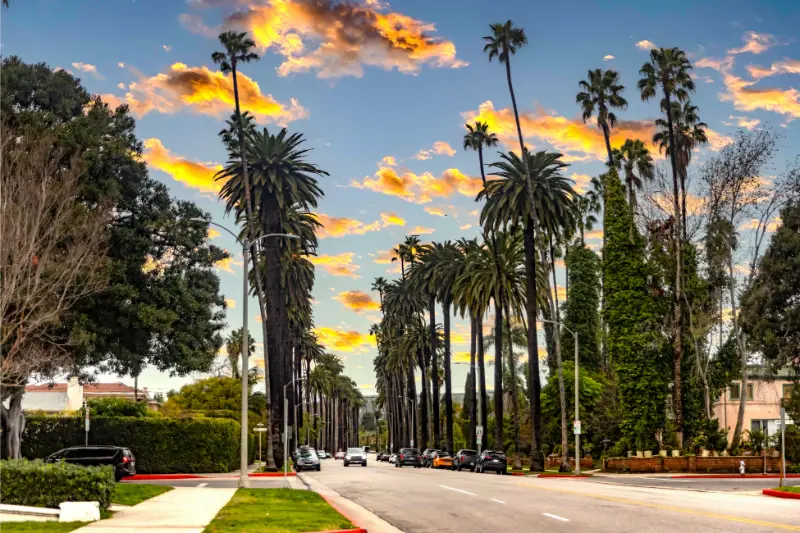
Santa Barbara combines beaches, Spanish-influenced architecture and an easy-to-walk center, making it an excellent final overnight before Los Angeles. From there, the road passes coastal communities and eventually enters the much larger Los Angeles metropolitan area, where traffic can dramatically change arrival times.
Do not plan an important timed ticket immediately after the drive into Los Angeles. Build a buffer, especially on weekdays. Once in LA, consider choosing one part of the city as a base rather than trying to stay equally close to Hollywood, Santa Monica, Downtown and theme parks.
Where Yosemite fits into the route
Yosemite is not a small detour from Highway 1. Adding it changes the trip into a larger California loop, and that can be excellent if you have enough days. A common structure is San Francisco, Yosemite for two or three nights, then return toward the coast or continue through the Sierra depending on seasonal road openings.
National parks require more advance planning than ordinary city stops. Lodging fills early, winter weather can close mountain routes and certain years may include reservation systems or special access rules. Check the official Yosemite National Park planning page shortly before booking and again before travel.
Rental car, fuel and parking
One-way car rentals between major California cities are common, but the final rate can vary greatly by date and company. Compare the total with taxes, one-way fees and insurance rather than the headline daily rate. A smaller car is easier for parking and usually cheaper on fuel, while a larger vehicle is useful only when luggage or passenger comfort justifies it.
Never leave visible luggage in the car during sightseeing stops. In San Francisco especially, plan luggage storage carefully. Use the USA road trip guide for rental-car, toll and parking basics.
Best season for a California road trip
California can be visited year-round, but the coast and mountains follow different patterns. Coastal summers may be cooler and foggier than first-time visitors expect, especially around San Francisco. Spring can bring green landscapes and waterfalls in mountain areas. Fall often offers pleasant coastal weather. Winter is possible along the coast but mountain snow changes national-park access.
The best month therefore depends on whether your priority is the Pacific Coast Highway, Yosemite hiking, beaches or city sightseeing. Check the best time to visit the USA guide and then narrow the decision to the regions in your exact itinerary.
A 7-day San Francisco to Los Angeles itinerary
- Days 1–2: San Francisco
- Day 3: Monterey and Carmel
- Day 4: Big Sur and Central Coast overnight
- Day 5: Santa Barbara
- Days 6–7: Los Angeles
This is fast but workable. With ten days, add an extra night around Big Sur or the Central Coast and more time in Los Angeles. With two weeks, include Yosemite or Sequoia as a separate inland section rather than trying to squeeze a national park into one rushed day.

What I would avoid
I would not rent a car for several days in central San Francisco unless the itinerary truly requires it. I would not schedule Big Sur as a quick two-hour drive. I would not leave suitcases visible at viewpoints, and I would not assume Highway 1 is open end to end without checking current conditions.
Most of all, I would resist adding too many distant detours. California is large enough for multiple trips. A focused route with time for the coast, two great cities and a few memorable stops is usually more satisfying than an itinerary that reaches every famous name but experiences none of them properly.
Related USA travel guides
Before starting the California drive
Check tire pressure, fuel range and the exact luggage capacity before leaving the rental lot. Save the roadside assistance number and photograph the car at pickup. On the coast, keep water in the vehicle and avoid letting the fuel level become very low because stations are less frequent in scenic sections.
Recheck Highway 1 conditions the evening before Big Sur, even if the route was open when you booked. If a closure exists, accept the inland detour instead of trying to force a complicated local bypass. California road trips work best when the route can change without ruining the vacation.
How I would keep the itinerary realistic
For a California road trip trip, I would protect at least one flexible block of several hours rather than scheduling every meal and attraction. Travel days take longer than expected once parking, luggage, security, weather and simple fatigue are included. That flexible time can absorb a delay without forcing you to cancel the part of the itinerary you care about most.
I also keep the most important reservation details, addresses and official information pages available offline. The United States is easy to travel once the basic logistics are understood, but distances and local systems vary enough that a little preparation saves a great deal of time. Recheck weather and official alerts before each major driving or outdoor day, then allow the trip to breathe.
Finally, avoid choosing a destination only because it is famous. A better route connects places that make sense together geographically and gives each one enough time. The strongest USA itineraries usually contain fewer stops, shorter transfer days and more opportunities to experience a place beyond its single best-known viewpoint or attraction.