

ATL is enormous as an aviation hub, but reaching central Atlanta is simpler than the airport’s size suggests because MARTA rail serves the domestic terminal directly. For many Downtown and Midtown hotels, the train is not merely the cheapest option; it can also be more predictable than freeway traffic. Hartsfield-Jackson Atlanta International Airport (ATL) is not difficult once you understand which ground-transport option matches your hotel area. The cheapest route is not always the slowest, and the most expensive route is not always the fastest: traffic, transfer count, luggage and arrival time matter more than the headline price.
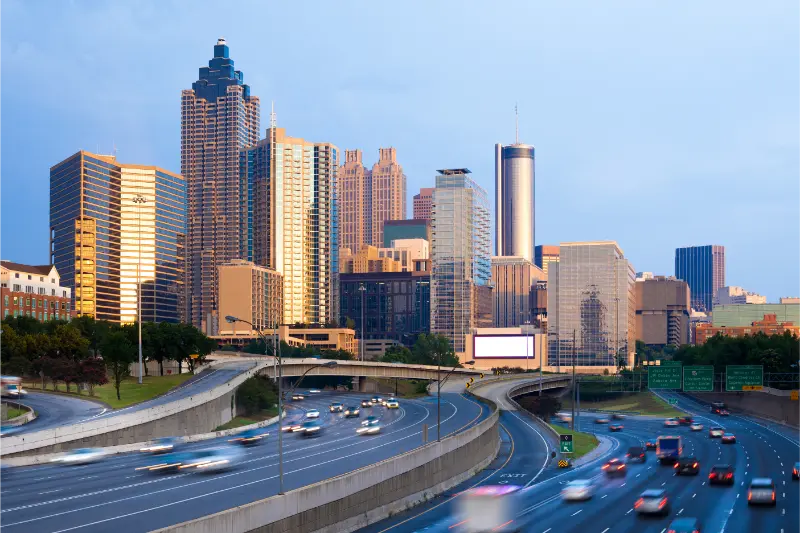
This guide focuses on the decisions a first-time visitor actually has to make after landing: where to find public transportation, which districts are easiest by transit, when a taxi or rideshare is worth the cost and how much buffer to leave after an international arrival. Always re-check the airport’s official ground transportation page before travel: MARTA Airport Station.
Understanding Hartsfield-Jackson Atlanta International Airport (ATL) before you land
Save the exact terminal and airline information before departure. Airports often use different pickup zones for taxis, rideshare, hotel shuttles, rental cars and public transportation, and following the signs is much easier than relying on a generic map pin. If your flight changes terminal, re-check the pickup instructions after landing.
For international arrivals, the scheduled landing time is not the time you should expect to be outside the terminal. Immigration, baggage claim and customs can add substantial variation. I avoid non-refundable transfer bookings that depend on clearing formalities within a fixed number of minutes.
Best ways to reach the city
MARTA Red and Gold lines
Airport Station is the final station at the south end of the Red and Gold lines. Standard MARTA rail fare is $2.50 in 2026, and Better Breeze supports contactless payment with eligible bank cards and mobile wallets.
Taxi
A taxi is convenient for hotels not near MARTA, travelers with substantial luggage and late-night arrivals when rail frequency is reduced.
Rideshare
Follow ATL signs and app instructions to the designated rideshare pickup zone. Large flight banks can create surge pricing, so compare against taxi and MARTA after you have your luggage.
Rental car
A rental makes sense when Atlanta begins a Georgia or Southeast road trip. For a city-focused stay, hotel parking and traffic often make it more trouble than benefit.

Which transfer works best by neighborhood
Downtown
Use MARTA directly to Peachtree Center, Five Points or another convenient central station depending on the exact hotel.
Midtown
Red or Gold line service is direct to Midtown stations, making rail particularly attractive for hotels near Peachtree Street.
Buckhead
Red Line service reaches Buckhead Station; Gold Line trains require attention because branches differ north of Lindbergh Center.
BeltLine / Ponce City Market area
MARTA plus a final bus, walk or rideshare is usually more practical than expecting a direct rail arrival.
Taxi, rideshare or public transportation?
For one traveler with light luggage, public transportation is often the best value. For three or four people, especially when the hotel is not near a station, the cost difference between individual transit fares and one direct car can shrink quickly. Compare the total group cost, not just the single-person fare.
Rideshare prices can surge during bad weather, large conventions and simultaneous flight banks. Taxis may have simpler pickup rules in some terminals. I check both only after I have my luggage because a quote obtained while still waiting at baggage claim may not resemble the price available twenty minutes later.
Rental cars: collect immediately or wait?
If the first part of your trip is focused on the city center, consider delaying the rental car until the day you leave for a road trip. This can remove several nights of hotel parking fees and the stress of driving immediately after a long flight. Airport rental locations are convenient, but convenience can be expensive when the car sits in a garage for two days.
If you do collect a rental car at the airport, photograph the vehicle, confirm toll-payment rules and understand the fuel policy before leaving. Do not wait until the first toll road or parking garage to learn how the rental company handles electronic tolls.
Arriving late at night
Late arrivals change the calculation. Rail or bus frequency may drop, station entrances may feel less intuitive and hotel check-in deadlines can matter. If the public option requires a long wait plus a transfer, a direct taxi or rideshare can be worth the extra cost simply to protect the first night of the trip.
Departing for the airport
The return trip deserves more buffer than the arrival trip. A missed attraction is disappointing; a missed flight is expensive. Check the airline terminal, road conditions and transit alerts the night before. For a morning flight, verify that the first train or bus actually operates early enough rather than assuming normal daytime frequency.
I also avoid making the final morning depend on an untested route. If you have never used the local system before, do a small transit trip earlier in the stay so ticketing and station layout are familiar before departure day.
Luggage, children and accessibility
Elevators, escalators and airport walkways make many public options realistic with rolling luggage, but crowded commuter periods can still be uncomfortable. Families should keep children together before doors open and avoid splitting adults across different cars when one person is carrying most of the bags.
Travelers who need step-free access should check elevator status on the transit operator website shortly before leaving. An accessible route on the map may become impractical if one key elevator is temporarily closed.
My simple decision rule
- Use rail when it is direct or requires only one easy transfer.
- Use a bus airport route when it drops you near the hotel and frequency is good.
- Use taxi/rideshare when you have heavy luggage, young children, a late arrival or an awkward final mile.
- Delay a rental car if you will spend the first days in a walkable transit-friendly core.
- Keep one backup option in case your preferred service has an unexpected disruption.
Plan the rest of the stay before choosing the transfer
The airport decision makes more sense when you already know the shape of the trip. Our Atlanta first-time visitor guide covers the main itinerary and neighborhoods, while the Atlanta public transportation guide explains how to move around after check-in.
If you are still comparing accommodation, check current accommodation options and compare the hotel location with the airport route before booking. A slightly more expensive room near a direct station can sometimes reduce transfer costs enough to narrow the difference.
Final advice
A good Hartsfield-Jackson Atlanta International Airport (ATL) transfer plan is simple, flexible and based on the exact hotel location. Screenshot the route, save the hotel phone number and do not commit to a narrow timetable after an international arrival. Once the first transfer is solved, the rest of the trip usually becomes much easier.

How to test the location before booking
Open the hotel on a map and route three journeys you will actually make: the airport arrival, the first morning attraction and the return after dinner. This reveals hidden transfers, long final walks and whether the location is genuinely convenient rather than merely central on a zoomed-out map.
A note for international visitors
If you are arriving from Europe, remember that city blocks, hotel check-in times and meal schedules may differ from what you are used to. Keep the first evening simple, avoid a non-refundable event immediately after landing and save the hotel address offline before the flight.
Weather can change the best transport choice
Heat, thunderstorms, snow or heavy rain can turn an otherwise easy walk into the least pleasant part of the day. Keep one direct taxi or rideshare option in reserve and do not build a schedule that fails if you choose not to walk twenty minutes in bad weather.
Planning with children
Families should value easy returns to the hotel more than adults traveling light. A central base, a direct airport transfer and fewer daily connections can be worth more than a larger room on the edge of the city. Build one deliberate break into long museum or walking days.
What I would reserve in advance
Reserve only the things that are genuinely capacity-constrained: the hotel, a must-do tour or attraction, and transport that sells out. Leave ordinary meals and neighborhood walks flexible so a delayed flight, weather change or unexpectedly good area does not force you to abandon prepaid plans.
A realistic daily rhythm
I prefer one anchor activity in the morning, a flexible lunch area and one neighborhood for the afternoon and evening. This cuts down on cross-city travel and makes public transportation much easier because you are not repeatedly returning to the same transit hub between unrelated attractions.
How to test the location before booking
Open the hotel on a map and route three journeys you will actually make: the airport arrival, the first morning attraction and the return after dinner. This reveals hidden transfers, long final walks and whether the location is genuinely convenient rather than merely central on a zoomed-out map.
A note for international visitors
If you are arriving from Europe, remember that city blocks, hotel check-in times and meal schedules may differ from what you are used to. Keep the first evening simple, avoid a non-refundable event immediately after landing and save the hotel address offline before the flight.