

Seattle works as both a city break and a gateway to some of the most varied natural scenery in the United States. Within a larger Pacific Northwest trip, you can combine urban neighborhoods and markets with ferries, islands, Mount Rainier, Olympic rain forests and rugged Pacific coastline. The region rewards flexible planning because weather and mountain visibility change quickly. I would spend at least three nights in Seattle and add four to seven days if national parks or a road trip are important.
How many days do you need?
Two full days is the minimum for Seattle itself, three or four is better if you enjoy neighborhoods, museums and food. A combined Seattle plus national-parks trip deserves at least a week, while ten days allows both Mount Rainier and Olympic National Park without turning every day into a long transfer.
Do not underestimate ferry schedules or mountain-road driving. Distances can look short around Puget Sound, but water, traffic and winding roads change the actual journey.
Where to stay in Seattle
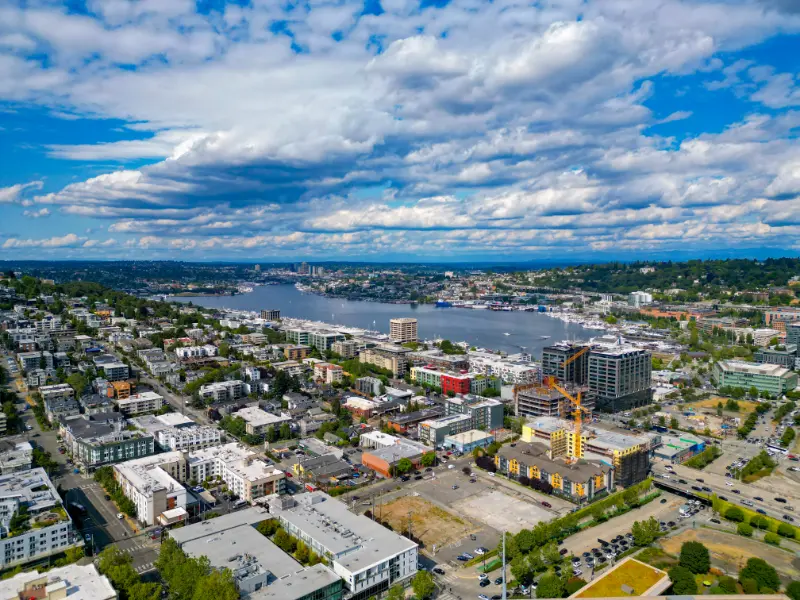
Downtown and Pike Place Market are convenient for first-time sightseeing, Belltown has nightlife and restaurants, Capitol Hill feels more residential and energetic, while Seattle Center is practical for the Space Needle and museums. Waterfront hotels can be attractive but check construction and transport changes before booking.
If you plan to explore the city without a car, prioritize light rail or frequent transit access. Parking can be expensive, and a rental car is often more useful after the city portion than during it.
Pike Place Market: go beyond the famous sign
Pike Place Market is a working market with food counters, shops, produce, crafts and several levels that many visitors never explore. Go earlier in the day if you want a calmer experience, then return later for lunch or atmosphere if your schedule allows.
Do not block narrow walkways for photographs and remember that individual businesses have different hours. The market is more enjoyable when treated as a place to wander and eat, not a single five-minute photo stop.
Seattle Center and viewpoints
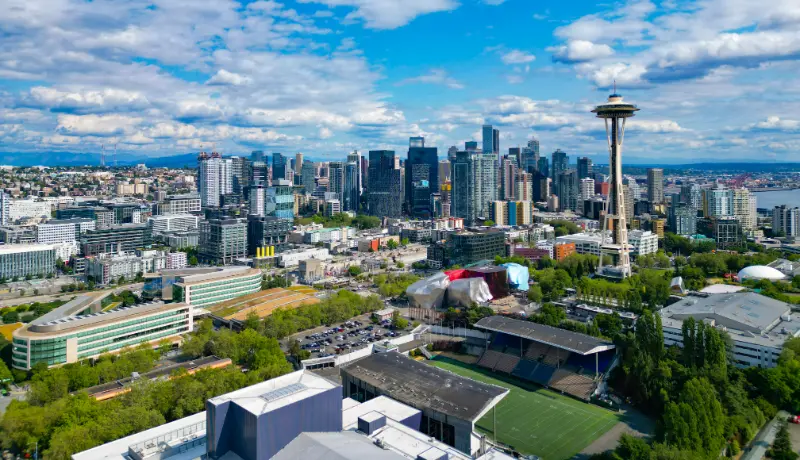
The Space Needle is the iconic observation experience, but the city has multiple viewpoints, including parks and waterfront areas. Choose one paid skyline experience if it matters to you and use free viewpoints for the rest. Mountain visibility can change hour by hour.
If Mount Rainier is hidden by cloud, do not assume the entire trip is ruined. Seattle’s weather is part of the destination, and clear views may appear later with little warning.
Neighborhoods worth leaving downtown for
Capitol Hill, Ballard, Fremont and Queen Anne each feel different. Ballard combines restaurants with maritime history and locks, Fremont has a playful arts identity, and Capitol Hill offers nightlife, cafés and independent businesses. Choose one or two rather than crossing the city repeatedly.
The best Seattle days often alternate one major attraction with a neighborhood meal and waterfront walk. This pacing makes the city feel less like a checklist.
Ferries as part of the experience
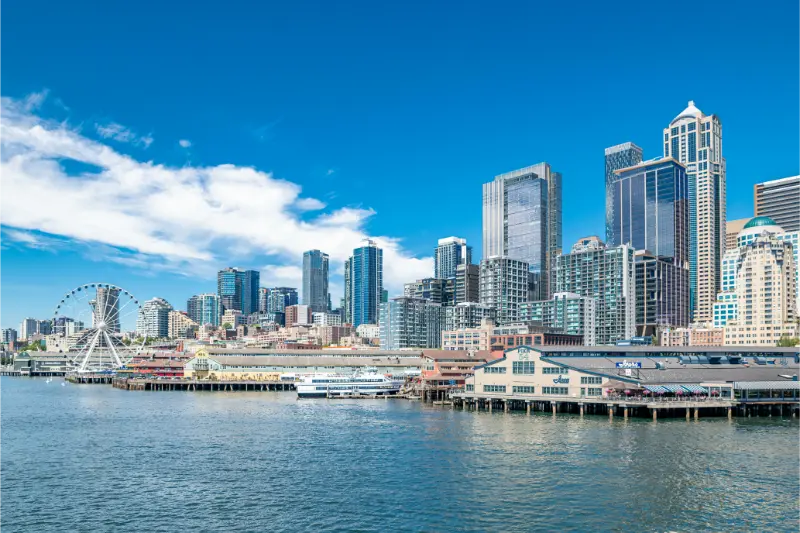
Washington State Ferries connect Seattle and the wider Puget Sound region, and a ferry ride can provide skyline and mountain views even without a complex island itinerary. Schedules, vehicle queues and service disruptions matter, particularly on busy weekends.
Walk-on travel is often simpler than bringing a car for a short outing. If you need a vehicle on the other side, arrive early and confirm current terminal guidance.
Mount Rainier National Park
Mount Rainier can be visited as a long day trip from Seattle, but an overnight nearby gives much more flexibility. Paradise and Sunrise are major visitor areas, but road access is seasonal and weather can change rapidly. Snow can remain at elevation well into the warmer season.
Check the official Mount Rainier planning page for current road, reservation and trail information. Do not rely on a photo from July to predict conditions in May or October.
Olympic National Park is not one single stop
Olympic National Park contains mountain areas, temperate rain forest and Pacific coastline separated by substantial driving. Hurricane Ridge, the Hoh Rain Forest and beaches such as Rialto or areas near Kalaloch require different routes. Trying to see all of them from Seattle in one day is unrealistic.
For a first visit, spend two or three nights on the Olympic Peninsula and choose a loop based on weather and road conditions. Accommodation is limited in some areas, so reserve early for summer.
Weather and what to pack
The Pacific Northwest reputation for rain is only part of the story. Summers can be dry and warm, while shoulder seasons are variable. Mountains create their own conditions, and coastal areas can be cool and windy even when Seattle is pleasant.
Pack a waterproof outer layer, comfortable walking shoes and layers rather than a single heavy coat. A small umbrella can be useful in the city, but a hooded waterproof jacket is better for trails and wind.
When is the best time to visit?
July through early September generally offers the most reliable access to high-elevation roads and trails, but it is also the busiest period. Late spring and early autumn can be excellent for the city and lower elevations, with more uncertainty in the mountains.
Winter is a different trip with shorter daylight and snow at elevation. If national parks are central to the itinerary, verify seasonal road openings before booking fixed mountain lodging.
Getting around
Seattle’s light rail connects the airport with central areas and can remove the need for a rental car at the beginning of the trip. Buses, walking and rideshare services cover most city sightseeing. Collect a rental car when heading to the national parks or more rural destinations.
Traffic can be significant on Interstate 5 and around ferry approaches. Avoid building a tight airport connection after a long peninsula drive. The USA transportation guide is useful if Seattle is part of a wider West Coast trip.
A 9-day Seattle and Pacific Northwest itinerary
- Days 1–3: Seattle
- Day 4: ferry or flexible city day
- Days 5–6: Olympic Peninsula and Olympic National Park
- Day 7: transfer back toward Seattle or Tacoma
- Days 8–9: Mount Rainier area and departure
If mountain weather looks poor, reverse the park order. The ability to move a day between Olympic and Rainier can be more valuable than a perfectly fixed schedule.
What I would prioritize
I would prioritize one market morning, one neighborhood evening, one ferry experience and at least two full days in nature. I would not attempt both national parks as rushed day trips from the same downtown hotel.
The Pacific Northwest is strongest when city and landscape balance each other. A slower itinerary gives weather a chance to improve and makes the longer drives feel worthwhile.
Related USA travel guides
Extra practical planning notes
Before entering remote park areas, download maps and save key trailhead information. Mobile coverage can disappear quickly outside the urban corridor. A portable battery, waterproof layer and a small amount of emergency food are sensible even for easy day trips because ferry delays and road incidents can extend the day.
Wildfire smoke can affect late-summer air quality in parts of the Pacific Northwest. Conditions vary by year and can change quickly. If smoke is present, follow local health guidance and be ready to replace a strenuous mountain hike with a lower-exertion city or coastal day.
How I would keep this trip realistic
For a Seattle Pacific Northwest travel guide itinerary, I would protect at least half a day with no fixed ticket. Travel time, parking, weather and fatigue regularly consume more time than maps suggest. That flexible block can absorb a delay or become the place where you revisit the neighborhood, viewpoint or meal you enjoyed most.
I would also keep reservation numbers, hotel addresses, driving notes and official alert pages in one offline document. This is especially useful in the United States because mobile coverage can change quickly between cities and rural areas. A little organization before departure creates more freedom once the trip begins.
Finally, I would avoid adding a distant attraction only because it is famous. A better itinerary uses geographic logic, shortens unnecessary transfers and creates time for the place itself. The strongest travel memories usually come from a well-paced day, not from the largest possible number of stops.
Before finalizing the day-by-day schedule, I would also check opening days, seasonal hours and the time of the last realistic return to the hotel. Small operational details can matter more than another attraction on the list. Keeping one nearby alternative for each major day makes the itinerary resilient when weather, maintenance or crowds change the original plan.
A final check should include the route between the last activity of one day and the first activity of the next morning. Parking, hotel access, early opening times and realistic sleep can determine whether a plan feels easy or exhausting. I would rather remove one secondary stop and protect a comfortable evening than begin the next day already tired. This also leaves room for a spontaneous meal, a local recommendation or a weather change that turns out to be more interesting than the original plan.