

San Francisco is compact on a map but physically demanding on foot because of its hills. That combination makes it ideal for a first city trip if you plan by neighborhood and use public transport intelligently. Four days gives enough time for the waterfront, cable cars, Golden Gate views, one major reservation such as Alcatraz and several neighborhoods without turning every day into a race. The city is also an excellent place to begin or end a California road trip because you can enjoy it without a rental car and collect the car only when you are ready to leave.
How many days do you need in San Francisco?
Three full days can cover the classics, while four gives a much better balance between famous sights and local neighborhoods. Five is useful if you want a day trip to Muir Woods, Sausalito, wine country or the coast. I would not use a precious city day for a long excursion if San Francisco itself is still unexplored.
If you are driving south afterward, use the California road trip guide to connect the city with Monterey, Big Sur and Los Angeles.
Where to stay
Union Square is central for transport and shopping, while Fisherman’s Wharf is convenient for the waterfront and many first-time attractions. Nob Hill offers classic city atmosphere, and neighborhoods farther from the tourist core can feel more residential but may add transit time.
The best hotel is one that works for your evening routine as well as daytime sightseeing. Check steep walking routes, late-night transport and final taxes or fees before booking. The USA accommodation guide helps compare real nightly costs.
Do you need a car in San Francisco?
For a city-only visit, usually no. Parking is expensive, hills can make driving stressful and public transport reaches most places visitors use. A rental car becomes more valuable when you leave for the coast, national parks or wine country.
If the road trip begins after your city stay, collect the car on departure morning. This avoids paying several nights of hotel parking for a vehicle that may remain unused.
Cable cars, streetcars and public transport
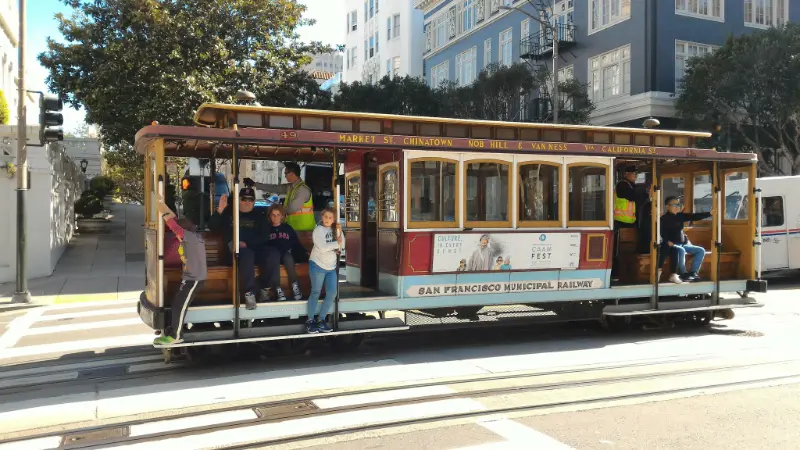
Cable cars are both transport and attraction, but queues can be long at terminal stops. Riding outside the busiest period or boarding at an intermediate stop may be easier. Historic streetcars, buses and light rail cover many other routes.
Download current fare and service information from the official local transit source before arrival because payment methods and service patterns can change. For broader U.S. transport planning, see the USA transportation guide.
Alcatraz: reserve it early
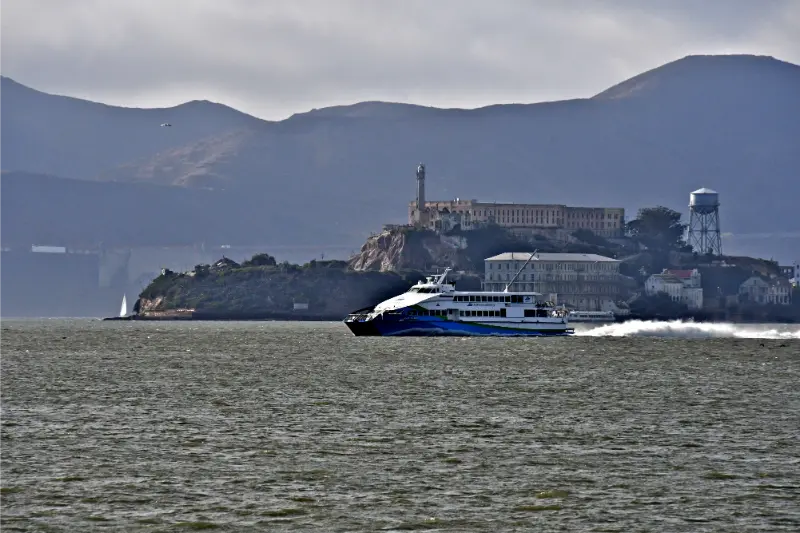
Alcatraz is one attraction I would plan before the rest of the city because popular departures can sell out. Buy from the official concessionaire or clearly understand what a third-party package includes. Ferry time, island visit and return can occupy a significant part of the day.
Choose a departure that fits the rest of your waterfront plan. Pier 39 and Fisherman’s Wharf are easy to combine geographically, while a distant neighborhood reservation immediately afterward creates unnecessary stress.
Golden Gate Bridge and the best ways to experience it
The bridge looks different from every angle. Crissy Field provides a low waterfront perspective, while higher viewpoints can offer broad views when fog cooperates. Walking part or all of the bridge is memorable, but wind can be strong even on a sunny day.
Do not build the entire trip around one perfect bridge photograph. Fog is part of San Francisco’s character, and conditions may change several times in a day. Keep a second viewing opportunity later in the itinerary.
Neighborhoods that make the city memorable
North Beach, Chinatown, the Mission, Haight-Ashbury, Castro and the Marina each have distinct histories and street life. Pick two or three based on your interests rather than treating neighborhoods as boxes to tick.
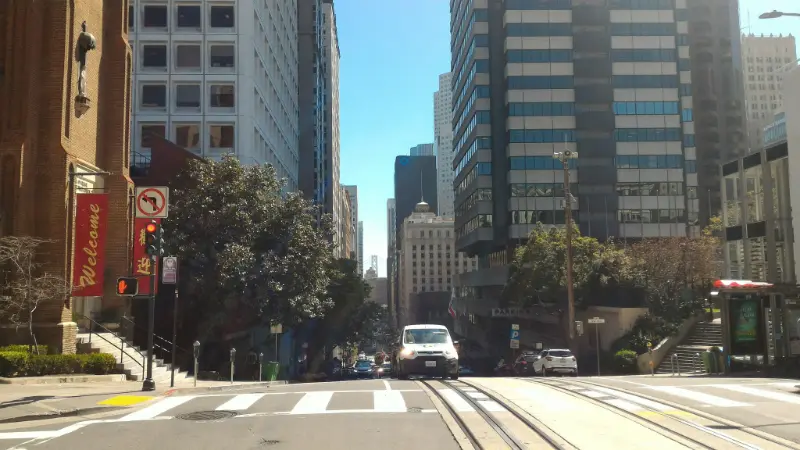
Walking is one of the best ways to experience the city, but hills are real. Use transit uphill and walk downhill when possible. Comfortable shoes matter more here than a perfectly optimized attraction list.
A realistic 4-day itinerary
- Day 1: Embarcadero, Ferry Building, Chinatown and North Beach
- Day 2: Alcatraz, Fisherman’s Wharf and a cable-car ride
- Day 3: Golden Gate viewpoints, Presidio and a neighborhood evening
- Day 4: Mission, Castro, Haight-Ashbury or Golden Gate Park depending on interests
The order can change with Alcatraz availability and weather. If the bridge is clear on your first morning, take advantage of it rather than waiting for a later day that may be foggier.
What weather surprises first-time visitors?
San Francisco can be cool and windy in summer, especially near the ocean and late in the day. Layers are essential. Travelers arriving from hot inland California are often surprised by how quickly the temperature changes after crossing toward the coast.
Spring and autumn can be excellent, but no season guarantees clear skies. The USA seasonal guide helps place San Francisco in a wider California itinerary.
What I would book first
Book the hotel, Alcatraz if it is a priority, and any special restaurant or event. Delay the rental car until you actually need it. Keep ordinary neighborhoods and viewpoints flexible so you can react to the weather.
San Francisco becomes easier when you stop fighting the hills and microclimates. Use transit strategically, carry a layer and let each day stay geographically compact.
Related USA travel guides
Extra practical planning notes
Before arrival, save a map of the neighborhoods and mark the steepest transfers rather than only the attractions. Two places that look close can involve a serious climb. Planning one uphill transit segment can make a walking day dramatically more comfortable.
If you are continuing to Yosemite, do not assume every mountain road is open year-round. Seasonal closures and wildfire conditions can change the best route. Check official park and state road information just before leaving the Bay Area.
For photography, morning and evening light are useful but fog may matter more than clock time. A flexible plan gives you several chances to see the bridge, skyline and bay under different conditions instead of waiting for one supposedly perfect hour.
Families can use Golden Gate Park as a lower-pressure day between more structured attractions. Open space, museums and gardens allow the group to split interests without crossing the city repeatedly.
If you stay near a busy tourist area, walk one or two blocks away before choosing every meal. San Francisco has excellent neighborhood food, and the best value is not always directly beside the major attractions.
On departure day, allow extra time to collect a rental car, load luggage and understand the first freeway segment. Starting a California road trip calmly is safer than leaving the garage already late for the next reservation.
How I would keep this itinerary realistic
For a San Francisco for first-time visitors trip, I would protect at least half a day with no non-refundable reservation. Traffic, weather, parking, queues and simple fatigue can change the pace of a U.S. trip. That open block can absorb a delay or become time for the place you unexpectedly enjoy most.
I would also keep all hotel addresses, ticket confirmations, transport notes and official alert pages in one offline folder on the phone. This is more useful than a long printed itinerary because the practical information is available even when mobile data is weak. A portable battery is worth carrying on long sightseeing days because tickets, maps and rideshare apps all depend on the phone.
Before each morning, I would check the weather, the first major attraction’s operating status and the estimated transfer time. This takes only a few minutes but prevents many avoidable problems. If conditions change, move the flexible parts of the day rather than forcing the original sequence.
Budget should also include parking, taxes, tips, baggage, local transport and one emergency margin. These small charges are easy to ignore when planning from Europe but can materially affect the final cost. The goal is not to predict every dollar; it is to avoid being surprised by normal expenses.
Finally, I would choose one priority experience per day and treat the rest as optional. A trip becomes tiring when every attraction is defined as essential. Protecting the best experience, a good meal and enough sleep usually creates a stronger memory than completing a longer checklist.
Final pre-departure checklist
About a week before departure, I review the trip in chronological order: airport arrival, first hotel, each intercity transfer, any timed ticket, rental-car pickup or return, and the final airport journey. I save confirmation numbers offline and note cancellation deadlines. For outdoor destinations I recheck road, trail and weather alerts; for cities I check major events that could affect traffic or opening hours. I also confirm that every traveler has the correct identification and any documents required for border crossings or transportation. Once those basics are covered, I stop adding attractions. The itinerary should leave enough space for delays, local recommendations and simple rest.
One more practical check is to look at the final hour of each day. Make sure the return to the hotel is realistic, especially after evening events, mountain drives, theme parks or long walks. Knowing the last transit option, parking location or rideshare pickup area removes unnecessary stress. I would also keep one simple meal option near the hotel for days when the group returns tired. These details are not exciting during planning, but they often determine whether an itinerary feels comfortable once you are actually traveling.