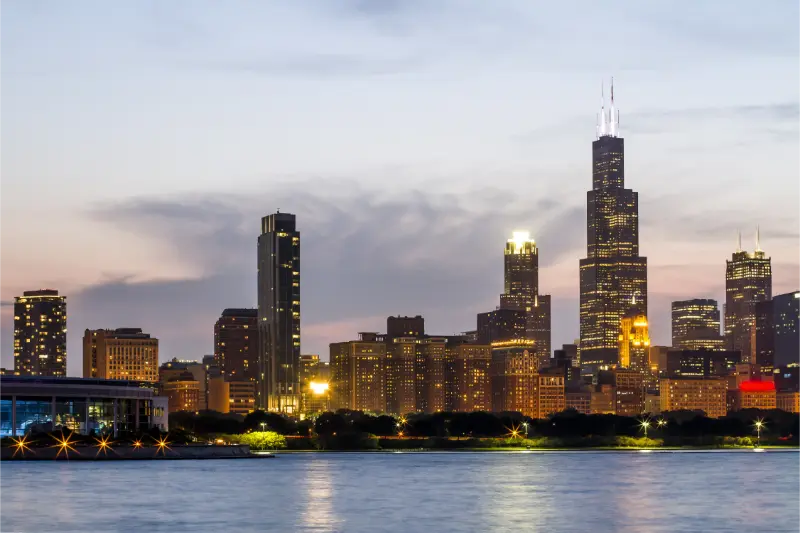

Navy Pier Chicago 2026 is worth planning as part of the wider trip rather than treating it as a pin to collect on a map. Navy Pier is best understood as a Chicago lakefront district rather than a single attraction. Admission to the pier is free, but the Centennial Wheel, museums, cruises, performances and seasonal rides have separate prices. For a first-time visitor, that flexibility is an advantage: you can use Navy Pier as a free skyline viewpoint, a family activity hub, the departure point for a boat cruise or an evening stop after exploring downtown.
Quick answer: is Navy Pier worth visiting?
For most first-time visitors, yes—provided the atmosphere matches the kind of trip you want. The strongest reason to come is the combination of waterfront setting and easy, flexible entertainment. You do not need to spend all day here, and you do not need to buy every paid attraction. A focused visit normally feels better than trying to turn the destination into a checklist.
The main reason Navy Pier belongs on a Chicago itinerary is location. It extends into Lake Michigan far enough to change the view of the skyline, and it gathers attractions that work in different weather and for different age groups. The pier can feel tourist-oriented, especially in summer, but it is also a useful place to understand Chicago’s relationship with the lake. The farther you walk from the entrance, the more the skyline opens behind you.
Navy Pier: 2026 quick facts
| General admission | Free |
|---|---|
| 2026 fall/winter pier hours | Sep 8–Dec 31: Sun–Thu 11 AM–8 PM; Fri–Sat 11 AM–10 PM |
| Major ride | Centennial Wheel, nearly 200 feet tall |
| Seasonality | Centennial Wheel operates daily; other Pier Park rides are seasonal |
| Parking | East and West garages, about 1,500 combined spaces |
| Best for | Lake Michigan views, families, cruises, skyline photos and evening atmosphere |
Hours, attraction availability, parking rules and prices can change for weather, maintenance, events or seasonal operations. Recheck the official links near the end of this guide shortly before your visit.
Admission, tickets and what is actually free
There is no fee to enter Navy Pier itself. You pay only for the experiences you choose, such as the Centennial Wheel, children’s attractions, theaters, cruises or special events. This makes it possible to visit on a tight budget: walk to the end, enjoy lake and skyline views and leave without purchasing an attraction. Families should compare individual ride plans with bundled products only after deciding how many activities they realistically have time to use.
Before paying, separate the free public experience from the optional paid entertainment. This is especially important at boardwalks and piers because the words “admission,” “ride pass,” “walk-on pass” and “wristband” can mean very different things from one destination to another. I would decide first how many rides or ticketed attractions you genuinely want, then choose the product that fits that plan.
Best things to do
Centennial Wheel
The enclosed gondolas make the wheel useful in more seasons than a typical open amusement ride, and the height gives one of the pier’s clearest skyline-and-lake viewpoints.
Pier Park
Seasonal rides cluster around the wheel. The wheel is the year-round anchor, while other ride operations depend more heavily on season and weather.
Lakefront walk
The free walk itself is one of the best reasons to come. Move beyond the busiest indoor areas and use the outer pier for photographs back toward downtown.
Cruises
Many sightseeing, architecture and dinner cruises depart from or near Navy Pier. If a cruise is part of the plan, arrive early enough that pier crowds do not turn check-in into a rush.
Family attractions
The Chicago Children’s Museum and other indoor venues make the pier especially useful when the weather is too cold, hot or wet for a full outdoor day.
A practical first-time itinerary
A strong first-time plan is to pair Navy Pier with the Chicago Riverwalk and the Magnificent Mile area. Visit the Riverwalk earlier in the day, walk east toward the lake, then reach Navy Pier in late afternoon. Ride the Centennial Wheel before sunset if visibility is good, walk to the far end while the light changes and stay long enough to see the skyline illuminated. If you have a scheduled cruise, let the cruise time dictate the rest of the visit rather than trying to squeeze it into the middle.
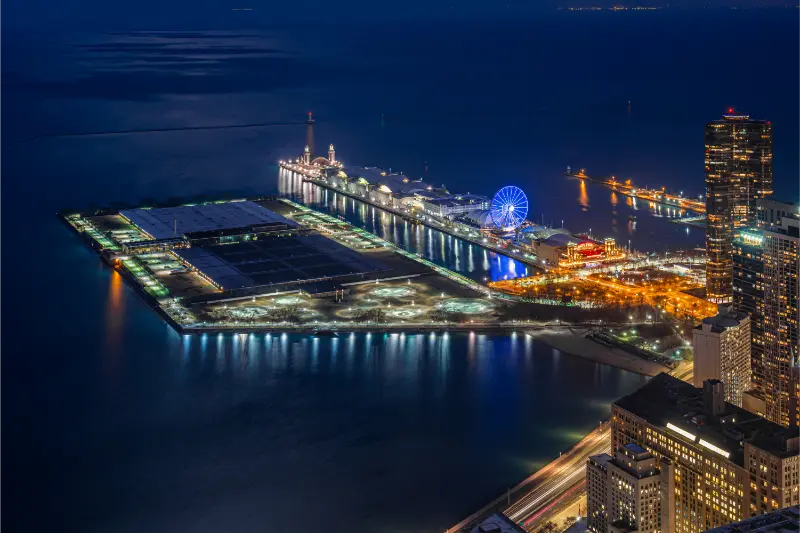
Do not schedule the day down to the minute. Waterfront attractions are unusually sensitive to wind, heat, fog, storms and crowds. A flexible block of time lets you swap the order of rides, beach time, food and walking without feeling that one delay has ruined the itinerary.
How long should you spend?
A simple walk-and-photos visit can work in about 60–90 minutes, but most travelers should allow two to four hours. Add more time when the beach, multiple rides, a museum, a cruise or a full meal is part of the plan. If the location is one of the main reasons for the trip, staying nearby and seeing it at two different times of day is often more rewarding than spending one very long continuous block there.
The most common timing mistake is underestimating transitions. Parking, restroom stops, ticket lines, food queues and walking back to the car are all part of the visit. If you have a timed reservation elsewhere, leave a generous buffer after the boardwalk rather than planning an exact departure minute.
Best time of year and best time of day
Summer has the fullest programming and the strongest festival atmosphere, but it is also the busiest period. Spring and early fall can be excellent for clear lakefront walks. Winter is a different experience: colder and windier outside, but the enclosed spaces and wheel still make a visit possible. Chicago weather can change quickly near the lake, so check conditions rather than dressing only for the inland forecast.
Within a single day, early morning and late afternoon usually give the most comfortable light and temperature. Midday is useful for beach time, indoor attractions or lunch, while evening gives the most classic amusement lights. The “best” time depends on whether your priority is quiet photography, rides, swimming or atmosphere.
Getting there, parking and transportation
From the central Chicago hotel districts, Navy Pier can be reached by bus, rideshare, taxi or a long but pleasant walk depending on where you are staying. Visitors using CTA should check the current route for the day. Drivers can use the East and West garages, but parking in this part of downtown is rarely the cheapest option. If your hotel is near the Loop, River North or Magnificent Mile, public transportation or walking may be simpler.
For any popular waterfront district, I would check three things on the morning of the visit: live traffic, the official parking page and the attraction operating calendar. Event closures can make an old parking recommendation useless. If public transportation is practical, it can also remove the stress of returning to the same parking garage after a long waterfront walk.
Visiting with children
Navy Pier is particularly family-friendly because it combines short attractions with places to sit, eat and get indoors. The challenge is not finding things to do but avoiding overscheduling. One major paid attraction, one free lakefront walk and a meal often works better with children than stacking the wheel, museum, cruise and multiple rides into the same afternoon.
With younger children, one anchor activity works better than an open-ended promise to “do the boardwalk.” Pick the main ride, playground, beach block or food stop in advance. That gives the day a clear success point even if weather or tiredness causes you to leave earlier than expected.
Accessibility and comfort
The pier is largely level and designed for large visitor volumes, with accessible routes through the main public areas. The Centennial Wheel uses enclosed gondolas, but visitors with specific mobility needs should still review current ride-access information before buying a ticket. Weather matters too: high winds can affect ride operations even when the pier itself remains open.
Waterfront accessibility is more than ramps. Sun exposure, wind, distances between restrooms, crowd density and the availability of shaded seating can matter just as much. Anyone who requires a specific ride transfer, beach wheelchair or reserved accessible parking space should confirm the current procedure directly with the operator or municipality.
Food and drink strategy
Navy Pier has enough dining that you do not need to leave simply to eat, but convenience and lakefront location influence prices. For a budget-conscious day, eat a main meal elsewhere in downtown and use the pier for a snack. For a relaxed evening, the opposite can work well: reserve enough time for dinner so you are not watching the clock before a cruise or show.
Boardwalk food can be memorable, but it is rarely the cheapest way to eat. A practical budget plan is to choose one food experience you actually care about, carry water and avoid buying something at every stop simply because it is visible. If you are visiting with children, a planned snack can also prevent a long ride line from colliding with hunger.
What should you budget?
A free visit is entirely realistic if your goal is views and atmosphere. Costs rise quickly once you add parking, the wheel, a museum, a cruise and a sit-down meal. Before arriving, identify the one paid experience that matters most. That single decision prevents a casual stop from turning into one of the most expensive hours of a Chicago trip.
Think in four categories: transportation/parking, paid attractions, food and lodging. The public waterfront itself may cost nothing while the optional extras turn the same visit into a premium day. Setting a rough entertainment limit before arrival is more useful than trying to calculate every possible purchase afterward.
Where to stay
River North, Streeterville and the Magnificent Mile are convenient bases for Navy Pier because the lakefront is close and many central attractions remain walkable. The Loop can be better if transit connections and museums matter more. Whichever area you choose, compare total trip convenience rather than only the nightly room rate.
Check hotels in and around Chicago, Illinois on Booking.com
When comparing hotels, look beyond the headline room rate. Parking charges, resort fees, breakfast, walking distance and the ability to leave the car parked can change the real cost of a two- or three-night stay.
What to bring
- Sun protection: waterfront glare can be strong even when the air feels cool.
- A light layer: wind and evening temperatures can change quickly beside the ocean or lake.
- Water: particularly important when rides and long walks are part of the plan.
- Comfortable footwear: boardwalk distances are often longer than they appear on a map.
- Offline confirmation: save ride tickets, parking details and reservations in case mobile service is slow in a crowded area.
Good nearby combinations already on MyUSAExperience
- Chicago first-time visitor guide
- Chicago public transportation guide
- Where to stay in Chicago
- Chicago Riverwalk guide
These combinations are more useful than adding another distant attraction simply because it appears on a “top things to do” list. A good travel day has a geographic logic: waterfront sights together, central-city sights together and long drives on separate days.
Official information to check before you go
Use official pages for the final operating calendar, prices, parking rules and temporary closures. This guide is designed to help with the structure of the visit, while the operator or municipality remains the best source for same-day operational details.
Common planning mistakes
- Assuming the entire boardwalk or pier has one single opening time when individual businesses operate separately.
- Buying the biggest ride package before checking height restrictions and how many rides you realistically have time to use.
- Driving directly to the closest parking entrance without comparing easier alternatives a few blocks away.
- Underestimating wind, sun exposure and the temperature difference between inland streets and the waterfront.
- Trying to cover every block simply because the promenade has a published total length.
- Scheduling another timed attraction immediately afterward with no buffer for traffic, queues or a delayed meal.
Frequently asked questions
Is Navy Pier free?
Yes. General admission to Navy Pier is free. Individual attractions, rides, cruises, performances and events may require tickets.
Is the Centennial Wheel open year-round?
The wheel is the pier’s year-round ride, although weather or maintenance can still affect operations. Other Pier Park rides are more seasonal.
How long should I allow?
Two to three hours is enough for a walk, the wheel and a snack. Add substantial time for a museum, cruise, performance or sit-down meal.
Is Navy Pier worth visiting in winter?
Yes if you enjoy lake views and indoor attractions, but dress for stronger lakefront wind and shorter daylight. The atmosphere is quieter than summer and some seasonal activities are not running.
Bottom line
Navy Pier works best when you decide what kind of visit you want before you arrive. Use the free waterfront experience as the foundation, add only the paid attractions that genuinely improve your day, and leave enough flexibility for weather and crowds. With that approach, the destination becomes a memorable part of the wider Chicago, Illinois trip rather than an expensive stop that feels rushed.