

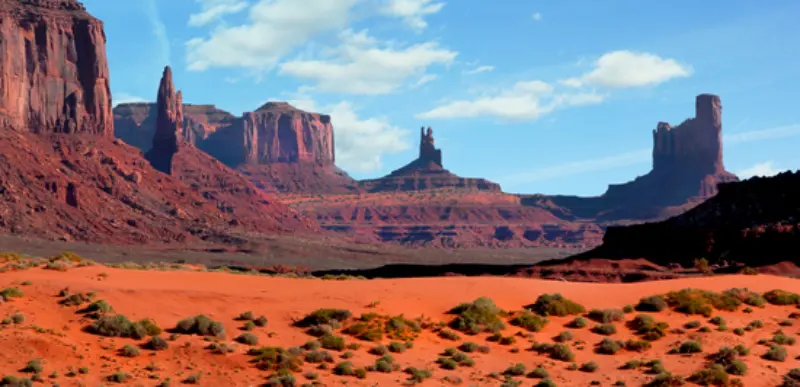
Monument Valley is one of the most recognizable landscapes in the American Southwest, but it is not a U.S. national park. It lies within the Navajo Nation and is managed as Monument Valley Navajo Tribal Park. That distinction matters because entrance fees, opening hours, guided-tour access and cultural expectations are set by Navajo Nation Parks & Recreation. A respectful first visit should treat the valley as a living cultural landscape, not simply a movie backdrop.
If this destination is part of a longer trip, I would first decide what role it plays: a headline stop, a recovery stop between longer drives, or a base for several day trips. That decision controls how many nights you need and prevents the itinerary from becoming a sequence of check-ins. For broader trip design, the USA itinerary guide is a useful starting point.
How many days do you need?
One full day can cover the visitor center, main scenic drive and sunset. Two days is better because you can include sunrise and a Navajo-guided experience without rushing. Three days is useful if Monument Valley is the slow centerpiece of a photography or cultural road trip. Most travelers combine it with Arizona and Utah rather than flying specifically to the valley.
I would count full sightseeing days rather than hotel nights. An arrival after a long flight is not a full day, and a departure morning with a long drive to the airport should not carry a major reservation. This distinction is especially important in national parks and road-trip destinations where weather, parking or seasonal operations can slow the schedule.
Where to stay
- The View/tribal park area: best for immediate sunrise and sunset access when rooms or cabins are available.
- Kayenta: a practical Arizona base with more services and fuel.
- Mexican Hat: useful for travelers continuing north toward Utah, Goosenecks and Moab.
Accommodation should be chosen by morning logistics, not only by price. A room that saves money but adds an hour of driving at the beginning and end of every day can be poor value. Compare the final nightly price, parking, destination fees, breakfast, cancellation policy and the time needed to reach the first activity. The USA accommodation guide explains the main lodging formats.
Getting around
A car gets you to the tribal park, but the valley floor is a different question. The public scenic drive is unpaved and conditions can be rough after rain, while guided Navajo tours can reach areas not open to self-driving visitors. Check rental-car restrictions before taking an unpaved loop. Do not drive onto roads or tracks that are not clearly open to visitors.
If you are renting a car, photograph the vehicle at pickup, understand the fuel policy and confirm how tolls or unpaved-road restrictions are handled. Keep the contract accessible offline. The USA road trip guide covers rental-car, toll and parking basics in more detail.
What to see and do
The Mittens and visitor center viewpoint
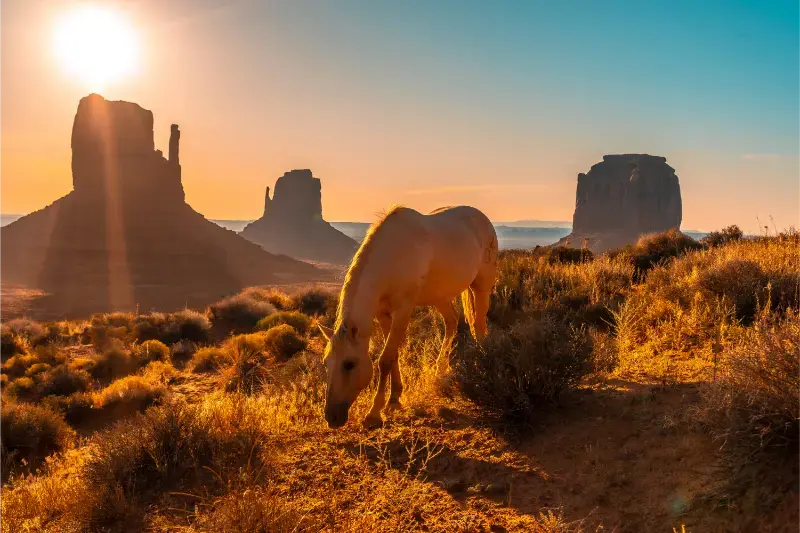
The classic East and West Mitten formations are visible from the visitor center area and are especially dramatic at sunrise and sunset. Spend time here before driving the loop because the high viewpoint gives context for the valley floor.
Scenic Drive
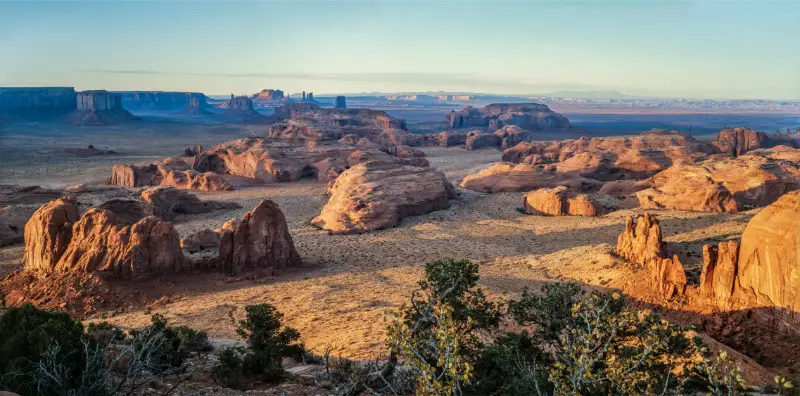
The self-drive route descends onto the valley floor and passes a series of famous buttes and viewpoints. Road conditions can change with weather, and low-clearance vehicles may be uncomfortable. Follow current operating hours because last-entry times can be earlier than the visitor center closing time.
John Ford’s Point
John Ford’s Point is one of the most recognizable overlooks and a good example of how cinema shaped the world’s image of the American West. It is also a place to remember that the landscape belongs to Navajo communities and should be visited with respect rather than staged as a private photo set.
Navajo-guided tour
A guided tour adds stories, geology and cultural context that are impossible to get from a self-drive loop alone. Authorized guides can also reach restricted areas closed to independent vehicles. Use operators listed or recognized by Navajo Nation Parks & Recreation.
Sunrise and sunset
Low-angle light transforms the buttes, and staying overnight gives you access to both ends of the day without a long drive in darkness. Weather, dust and clouds create different conditions every evening, so avoid expecting a single famous photograph.
Forrest Gump Point area
The highway viewpoint north of Monument Valley has become famous from film imagery. It is on an active public road, not a pedestrian photo studio. Never stand in traffic lanes, block the road or encourage unsafe poses for photographs.
Cultural respect and local businesses
Buy from Navajo-owned businesses when possible, follow photography restrictions and ask permission before photographing people, homes, ceremonies or private areas. A culturally respectful trip is part of visiting Monument Valley well.
2026 reservations, permits and rules to know
Monument Valley Navajo Tribal Park increased entry fees and permit fees beginning January 1, 2026. Operating hours and the last time vehicles may enter the Scenic Drive vary by season. Backcountry hiking and camping require appropriate permits, and visitors should not enter unauthorized areas. Check the official Navajo Nation Parks Monument Valley page for current hours and authorized tour information before arrival.
I save the official rule page offline a few days before travel and check it again the evening before the visit. National parks, tribal parks and high-demand attractions can change access because of construction, storms, wildfire, staffing or crowd levels. A reservation confirmation also does not necessarily replace an entrance pass, parking fee or identification requirement.
A realistic itinerary
- Day 1 – Arrival, viewpoints and sunset: Arrive early enough to visit the tribal park, confirm current Scenic Drive conditions and either self-drive the permitted loop or join a Navajo-guided tour. Return to the main viewpoint before sunset.
- Day 2 – Sunrise and onward road trip: Watch sunrise from an authorized public viewpoint, have breakfast and continue toward Page, Grand Canyon, Moab or Mexican Hat. Avoid creating a long evening drive after your main valley day.
Keep one important experience per day as the priority and let secondary stops remain optional. If the main hike, scenic drive or reservation takes longer than expected, you can drop a minor stop without turning the whole day into a race.
Best time to visit
Spring and autumn offer comfortable temperatures and good road-trip conditions. Summer is hot and can bring monsoon storms that affect dirt roads. Winter is quieter and occasional snow can make the buttes extraordinary, but cold mornings and road conditions require flexibility. Sunrise and sunset are valuable in every season.
For a nationwide comparison of seasons, school-holiday pressure and regional weather, see the month-by-month USA guide. Local conditions always matter more than national averages, so check weather, road status and alerts for the exact destination in the final week.
Budget and booking strategy
Budget separately for tribal park entry and any Navajo-guided tour because federal national-park passes do not replace tribal park fees. Accommodation at the valley is limited and may be expensive, but staying close has value because it removes a long sunrise drive. Fuel up in larger nearby towns.
My preferred booking order is transport first, then the hardest-to-replace lodging, then limited-capacity activities, and finally flexible attractions. Keep a contingency for parking, tips, local taxes, baggage, fuel and food-price variation. The USA travel costs guide has a broader budgeting framework.
Visiting with children
Monument Valley works well with children because much of the scenery can be experienced from viewpoints and vehicle-based tours. The main considerations are heat, long drives and keeping children away from road edges or steep viewpoints. A guided tour can make the landscape more engaging by adding stories and context.
With a family, I would shorten driving days and protect meal times rather than adding one more attraction. The USA with kids guide covers car seats, hotel choices, long drives and other practical issues that affect family travel across the country.
Common mistakes to avoid
- Assuming a federal national-park pass covers Navajo Tribal Park entry.
- Treating unpaved valley roads as ordinary rental-car pavement.
- Ignoring last-entry times for the Scenic Drive.
- Standing in the highway for a Forrest Gump Point photograph.
- Visiting without learning that the valley is part of the Navajo Nation.
Another common mistake is relying on an old itinerary without checking current opening hours. In the United States, seasonal operations can change dramatically: a road that is normal in summer may be closed in winter, and a trail or parking area may use reservations during only part of the year. Recheck the first activity of every day before leaving your hotel.
How to combine this stop with a longer USA trip
Monument Valley is a natural stop on the Arizona road trip. It pairs well with Grand Canyon, Sedona and Moab for a longer Southwest circuit.
When joining destinations, compare driving time with the cost of a short flight. Two places that appear close on a national map can still require most of a day in transit. I would rather remove one weak stop and spend an extra night in a strong destination than spend the vacation repeatedly packing bags.
Practical packing and safety notes
Carry a charged phone, portable battery, refillable water bottle and an offline copy of accommodation addresses and confirmations. Outdoor destinations also justify a small first-aid kit, sun protection and layers. Do not rely on mobile coverage for trail navigation or reservations. In busy visitor areas, keep passports and valuables secured and avoid leaving bags visible in parked vehicles.
For any hike, beach, river or mountain activity, make same-day conditions part of the decision. Heat, surf, lightning, snow, smoke, flash floods and wildlife can turn a normally simple activity into a poor choice. Turning around early is good trip management. Replace the activity with a viewpoint, visitor center, town stop or meal and keep the larger itinerary intact.
Related USA travel guides
Final planning advice
About a week before departure, I review the trip in chronological order: airport arrival, first hotel, each intercity transfer, timed reservations, rental-car pickup or return and the final airport journey. I save confirmation numbers offline and note cancellation deadlines. Then I stop adding attractions. The goal of a good itinerary is not to prove how much you can fit into a day; it is to make the important experiences easy to enjoy.
I also look at the final hour of every day. Knowing how you will return to the hotel after sunset, where the car is parked, whether public transport is still running and where you can get a simple late meal removes a surprising amount of stress. That small piece of planning is especially useful after national-park hikes and long road-trip days.