

Arizona is one of the easiest states to turn into a memorable first U.S. road trip because the landscapes change dramatically without requiring coast-to-coast distances. In a single journey you can move from the desert around Phoenix to the red rocks of Sedona, pine forests near Flagstaff, the enormous scale of the Grand Canyon and the open plateau country around Monument Valley. The key is to respect the distances and altitude changes rather than treating every stop as a quick photo break. I would plan Arizona as a sequence of two- or three-night bases, with early starts for outdoor days and enough flexibility for heat, storms and crowded viewpoints.
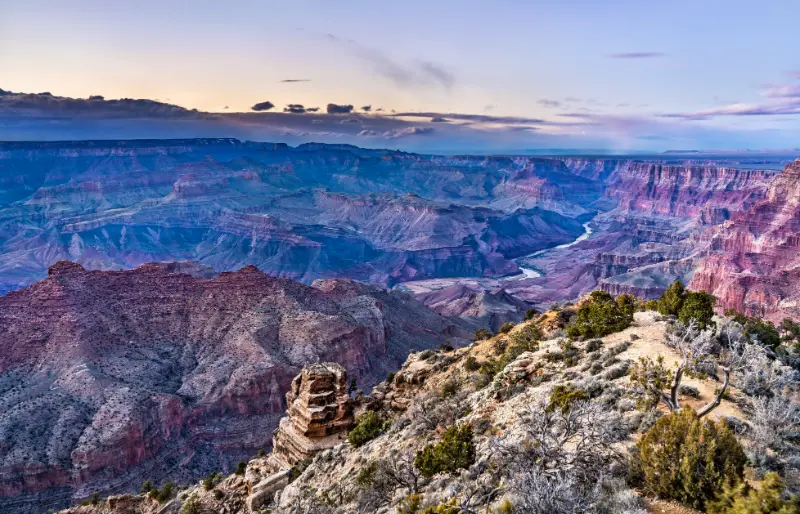
How many days do you need for an Arizona road trip?
For Phoenix, Sedona, Grand Canyon and Monument Valley, seven days is possible but fast. Nine or ten days is much better because it gives Sedona and the Grand Canyon enough time to feel like destinations rather than transfers. If you also want Tucson, Page, Antelope Canyon, Horseshoe Bend or Petrified Forest, extend the trip instead of squeezing them into already long driving days.
A practical first itinerary is two nights in the Phoenix or Scottsdale area, two or three nights in Sedona, two nights at the Grand Canyon South Rim and one or two nights around Monument Valley or Page. An open-jaw flight can help: arriving in Phoenix and leaving from Las Vegas, for example, may reduce backtracking if rental-car pricing is reasonable.
Start in Phoenix or Scottsdale
Phoenix is a useful gateway because of its large airport, broad hotel choice and easy access to rental cars. The city is spread out, so a car is valuable almost immediately. Downtown Phoenix, Old Town Scottsdale and the desert preserves around the metro area provide very different experiences, but I would avoid trying to see the whole region before a longer road trip.
If you arrive after an international flight, use the first evening to recover, buy water and basic road-trip supplies and sleep properly. Desert heat can make a first-day hike a poor idea, especially in late spring, summer and early autumn. A relaxed start improves the rest of the route.
Phoenix to Sedona: make the transition part of the trip
The drive north rises from low desert toward cooler high country. Sedona is famous for red-rock formations, but the town itself can be congested at popular times. Stay at least two nights so you can see sunrise or sunset without feeling that every viewpoint must fit into one afternoon.
Choose hikes according to temperature, exposure and parking reality, not only social-media popularity. Some trailheads fill early. The official Coconino National Forest information and local shuttle details are worth checking before departure. If hiking is not your priority, scenic drives, viewpoints, short walks and nearby Oak Creek Canyon still make Sedona rewarding.
Sedona and the value of an early start
Early mornings are useful for cooler temperatures, easier parking and softer light on the rocks. They also leave the afternoon open for a long lunch, pool break or scenic drive if the weather becomes too hot. In monsoon season, thunderstorms can build later in the day, making morning outdoor plans even more sensible.
I would not schedule three difficult hikes on consecutive days. Red-rock terrain, sun and elevation can tire travelers faster than expected. One longer hike, one short viewpoint walk and one relaxed scenic day usually creates a better first Sedona experience.
Add Flagstaff if you want a cooler contrast
Flagstaff sits at much higher elevation than Phoenix and can feel like a completely different state. Pine forests, a walkable historic center and cooler nights make it a useful stop between Sedona and the Grand Canyon. It is also a practical base when accommodation inside or near the park is expensive.
Because altitude rises quickly, drink water and avoid assuming that desert heat will continue everywhere. Snow is possible in colder months, while summer afternoons can bring storms. The Arizona road trip is a good example of why packing layers matters even in a state associated with heat.
Grand Canyon South Rim: give it more than one viewpoint
The South Rim is the most practical first introduction to Grand Canyon National Park for most road trips. If possible, stay overnight in or near the park so you can experience early morning and evening light without a long same-day drive. The canyon changes with weather and sun angle, and a second look can feel completely different from the first.
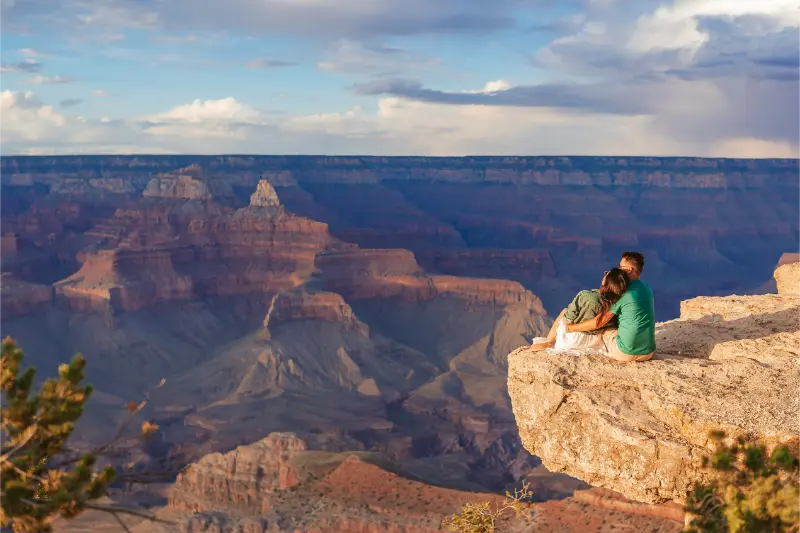
Use the Grand Canyon first-time guide for a detailed plan. International visitors should also review current 2026 entrance and nonresident fee information on the National Park Service nonresident fee page before budgeting.
Do not underestimate rim-to-river hiking
Looking down from the rim makes distances deceptive. A trail that descends easily in the morning can become a strenuous uphill return in heat. For a first visit, short sections of a maintained trail are often enough to understand the scale without turning the day into an endurance challenge.
Carry more water than you think you need, check trail conditions and never use the rim temperature as a guide to conditions far below. If a full-day hike is a major goal, build the itinerary around it rather than adding it between long drives.
Grand Canyon to Monument Valley
The route east toward Monument Valley passes through broad plateau landscapes where services are farther apart than in the Phoenix area. Fuel earlier, keep water in the car and download maps. Mobile coverage can be inconsistent, and sunset driving requires extra attention because wildlife may be near the road.
Monument Valley Navajo Tribal Park is on Navajo Nation land and is not a National Park Service site. Rules, hours, fees and access can differ from federal parks, so verify current information with the official Navajo Nation or tribal park sources before arrival. Respect closures and areas that require a Navajo guide.
Sunrise, sunset and photography in Monument Valley
The classic formations are beautiful throughout the day, but lower-angle light creates stronger shadows and color. Staying nearby makes sunrise or sunset easier than visiting as a rushed day trip. Dust, wind and road conditions can affect the scenic drive, especially after storms.
Drones and commercial photography rules vary across tribal lands. Do not assume rules are the same as at a state or national park. Ask before flying or setting up professional equipment, and avoid entering private or ceremonial areas.
Should you add Page and Antelope Canyon?
Page can fit naturally between Monument Valley and the Grand Canyon or Las Vegas. Horseshoe Bend is easy to add, while Antelope Canyon requires a guided tour and should be booked with an authorized Navajo operator. Tour times are fixed, so build the driving day around that reservation rather than hoping to arrive spontaneously.
If the trip is already short, I would choose either a slower Sedona stay or the Page detour instead of doing both at maximum speed. The Southwest becomes tiring when every day is a different hotel and every evening ends with another two-hour drive.
Best time for this route
Spring and autumn are generally the easiest seasons for combining desert and higher-elevation areas, but temperatures still vary greatly. Summer can be extremely hot around Phoenix and lower desert areas, while the Grand Canyon rim is cooler. Winter can be beautiful and quieter, but snow and ice may affect roads and trails at elevation.
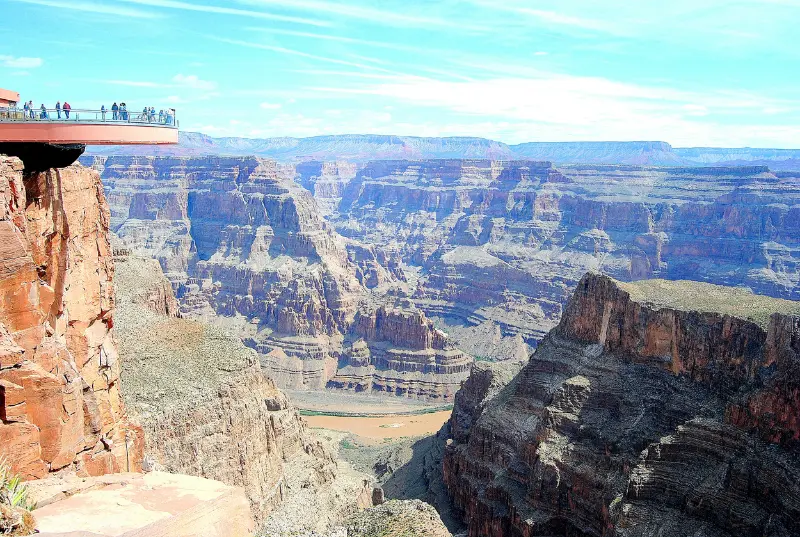
The month-by-month USA guide helps with the broader season, but always check local forecasts for every major stop because one state can contain several climate zones on the same day.
A realistic 9-day Arizona itinerary
- Day 1: Phoenix or Scottsdale arrival
- Day 2: Phoenix desert sights and recovery
- Days 3–4: Sedona
- Day 5: Flagstaff and transfer to Grand Canyon
- Day 6: Grand Canyon South Rim
- Day 7: drive toward Monument Valley
- Day 8: Monument Valley and optional Page transfer
- Day 9: continue to Phoenix, Las Vegas or the next road-trip segment
This itinerary keeps the famous places but avoids turning every day into a race. Add two or three days if you want Page, Tucson or more hiking. The USA road trip guide is useful for rental cars, insurance, fuel and driving rules.
What I would book first
I would secure the Grand Canyon area accommodation first, then Monument Valley or Page if the trip falls in a busy season. After that I would book the rental car and any timed guided experience such as Antelope Canyon. Sedona has more accommodation choices, although weekends and holidays can still become expensive.
Keep at least one outdoor block flexible. Smoke, storms, heat or a road issue can change the ideal day. Arizona is most enjoyable when the itinerary has a clear structure but can still move a hike or scenic drive by a few hours.
Related USA travel guides
- Grand Canyon National Park guide
- Las Vegas for first-time visitors
- USA road trip guide
- U.S. national parks planning guide
Extra practical planning notes
Before departure, I would save each hotel address, the major park alert pages and at least one fuel stop for the longest rural segment. Arizona is easy to drive when the route is understood, but navigation becomes more stressful if you discover weak mobile coverage after dark. Keep paper or offline backup maps and never let the fuel tank become critically low in remote areas.
Photography can also affect the schedule more than expected. Sunrise and sunset happen at different clock times as the route changes by season, and the best viewpoints may require arriving before normal breakfast hours. Choose one or two priority light moments rather than waking before dawn every day; fatigue is a real road-trip safety issue.