

Minneapolis and Saint Paul work best as one trip with two personalities. Minneapolis feels more contemporary and lake-oriented, with strong food, theater and bike culture, while Saint Paul is older, more intimate and full of historic neighborhoods. The Mississippi River connects them, and a first visit becomes much more interesting when you stop thinking of one city as an optional side trip from the other.
I would give the Twin Cities four days, especially in late spring through early autumn. The area fits naturally into a broader Midwest journey with Chicago, Detroit or the Great Lakes, but it also works as a standalone city break for travelers who want museums, parks and neighborhoods rather than constant headline attractions.
Planning this trip at a glance
- Ideal first stay: 4 days
- Best for: lakes, cycling, museums, food and relaxed urban travel
- Car needed?: not for every day; useful for outer lakes and regional excursions
- Best bases: Downtown Minneapolis, North Loop, or central Saint Paul
- Airport: Minneapolis–Saint Paul International Airport (MSP)
Public transport is useful for airport transfers and central sightseeing, but the Twin Cities cover a large area. Choose accommodation near the places you actually plan to visit rather than assuming every neighborhood is a quick walk away.
How many days do you need?
Three days is enough for central Minneapolis, one lake area and a focused Saint Paul day. Four days is better because it leaves time for the river, museums and neighborhoods without constantly checking the clock. A fifth day can support a regional excursion or a very relaxed bike-focused trip.
If winter is the purpose of your visit, the same number of days works but the itinerary should be built differently, with more indoor anchors and realistic travel time in snow or extreme cold.
Best time to visit
May through October is easiest for lakes, patios, bike paths and river walks. Summer can be warm and humid, but long daylight hours make outdoor days very flexible. September is especially appealing for comfortable temperatures and early autumn color.
Winter is a real season rather than a mild inconvenience. Temperatures can become dangerously low, yet the cities remain active with museums, restaurants and winter events. Visit then because you want a northern winter experience, not because you assume it will feel like a normal European city break.
Where to stay
Downtown Minneapolis is convenient for first-time logistics and public transport. North Loop works well for restaurants and a more neighborhood-oriented feel. In Saint Paul, downtown or areas near Cathedral Hill make it easier to experience the city rather than commute from Minneapolis for a few hours.

A split stay is unnecessary for most four-day trips. Base yourself in one city and devote a full day to the other, unless a specific event or hotel makes changing accommodation worthwhile.
Getting around
Light rail connects the airport with both downtown Minneapolis and Saint Paul, making car-free arrival practical. Local buses and rail can cover many central destinations, while bikes are excellent around the lakes in warm weather. Check Metro Transit for current fares, maintenance and schedules.

A rental car is useful for suburban attractions or a wider Minnesota road trip, but downtown parking can be more trouble than benefit. If you do rent one, collect it only for the days you actually need it.
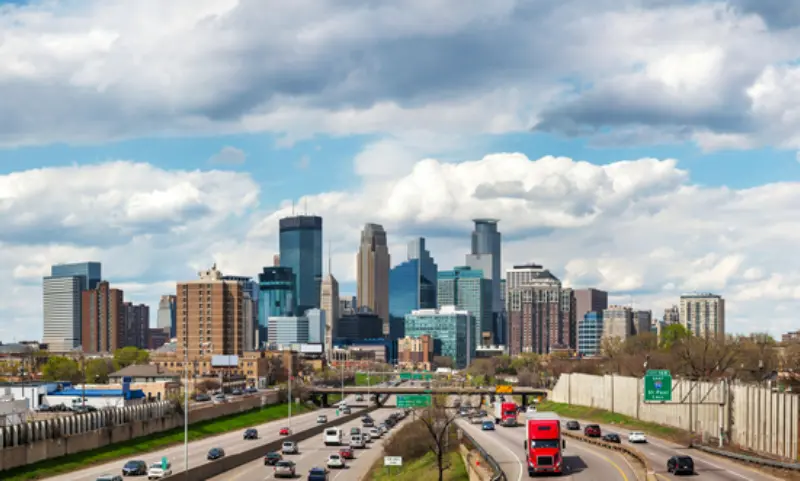
Best things to do in Minneapolis and Saint Paul
Walk or cycle the Chain of Lakes
The Minneapolis lakes are not a decorative edge of the city; they are central to local life. Choose part of the Chain of Lakes for a walk or bike ride, stop in a park and avoid trying to circle every lake in one rushed session.
Visit the Minneapolis Institute of Art
Mia is a strong art museum with broad collections and works well on hot, cold or rainy days. Pair it with nearby neighborhoods and food rather than crossing the metropolitan area immediately afterward.
See the Mississippi at Stone Arch Bridge and Mill District
The river and former milling district explain why Minneapolis developed where it did. Walk the area, visit the Mill City Museum if it matches your interests and use the riverfront as a way to connect history with the modern skyline.
Explore North Loop
North Loop mixes warehouses, restaurants, shops and newer development. It is a good place for dinner and an evening walk, especially if you want a neighborhood that feels urban without being dominated by traditional tourist sights.
Spend a full day in Saint Paul
Visit the Minnesota State Capitol area, Cathedral Hill, Summit Avenue or the Science Museum depending on your interests. Saint Paul deserves a coherent day rather than a quick “second city” detour after lunch.
Visit the Walker Art Center and Sculpture Garden
The Walker and Minneapolis Sculpture Garden offer a different art experience from Mia. The outdoor garden is easy to combine with nearby neighborhoods, while museum exhibitions provide a good weather backup.
See Minnehaha Falls
Minnehaha Falls is one of the easiest nature stops to combine with a city itinerary. Water flow changes seasonally, so expectations should match the time of year. Continue into the park rather than photographing only the main overlook.
Build one food-focused neighborhood evening
The Twin Cities have strong East African, Southeast Asian, Scandinavian-influenced and contemporary Midwestern food scenes. Choose a neighborhood and make the evening about eating and walking instead of driving between famous individual restaurants.
Where to eat and what to try
Minneapolis–Saint Paul food is far more diverse than the stereotypes of Midwestern cuisine. Somali, Hmong, Vietnamese, Mexican, Scandinavian and modern regional cooking all deserve attention. Markets and bakeries can be as memorable as formal restaurants.
A “Juicy Lucy” burger is a well-known local reference, but it should not define the entire trip. Try it if you are curious, then use the remaining meals to explore the immigrant communities and independent restaurants that shape the cities today.
A realistic 4-day Twin Cities itinerary
- Day 1 – Minneapolis river and downtown: Explore the Mill District, riverfront and North Loop, then stay central for dinner.
- Day 2 – Lakes and art: Walk or cycle the Chain of Lakes, visit Mia or Walker and spend the evening in a neighborhood restaurant area.
- Day 3 – Saint Paul: Give the second city a full day for the Capitol, historic neighborhoods, museums and a relaxed dinner.
- Day 4 – Minnehaha and flexible favorites: Visit Minnehaha Falls, return to a museum or lake, and leave time for shopping, breweries or a seasonal event.
The Twin Cities are easy to over-plan because there are many medium-sized attractions. One outdoor area, one cultural anchor and one neighborhood per day is usually enough.
Budget, reservations and practical planning
Weather is the biggest practical variable. Summer heat and storms, shoulder-season temperature swings and winter cold all affect how you move around. Pack for the actual forecast rather than the calendar.
Airport light rail can save money on arrival, but late-night service changes and construction should be checked before relying on it. Save a backup rideshare plan when arriving very late.
If the trip is part of a longer American itinerary, our USA itinerary ideas can help you decide whether adding another Midwest city improves the route or simply adds transit time.
Mistakes I would avoid
- Visiting only Minneapolis: Saint Paul adds a distinct historical character.
- Underestimating winter: extreme cold changes the entire day.
- Renting a car for every day by default: airport rail and central transit can be sufficient.
- Scheduling too many museums: lakes and neighborhoods are equally important.
- Judging food by clichés: the metro has unusually diverse dining.
How to fit this into a bigger USA trip
Minneapolis–Saint Paul can pair with a Great Lakes route, Chicago or a northern road trip through Wisconsin. Driving distances are substantial, so it works better as a regional itinerary than as an add-on to East Coast cities.
If Chicago is next, use our Chicago guide to compare train, flight and driving options rather than assuming a car is always fastest door to door.
Extra advice for international visitors
International visitors often find the airport-to-city light rail particularly helpful because it removes the need to drive immediately after a long flight. Keep a contactless payment option and some flexibility in case maintenance changes service.
Winter visitors need real cold-weather clothing rather than fashion layers: insulated footwear, gloves and face protection can be necessary. Our essential USA travel tips covers additional practical preparation.
Family, accessibility and pace
Families can mix lakes, Minnehaha Falls and hands-on museums so that children are not indoors all day. In winter, indoor attractions become more important and outdoor time should be shorter and deliberately planned.
Major museums and transit systems publish accessibility information, and many lake paths are paved, but snow and ice can change real-world access in winter. Check conditions close to the visit rather than relying only on summer accessibility descriptions.
Final thoughts
The Twin Cities are most memorable when you combine water, culture and two distinct urban personalities. Give Saint Paul a real day, make the Minneapolis lakes part of the itinerary and use public transport where it genuinely saves effort. Four days provides an unusually balanced city break.