

Alaska is one of the most spectacular U.S. destinations, but it demands a different planning mindset from the Lower 48. Distances are large, weather changes quickly, services can be limited and the highlights are spread between road-accessible interior regions and a coastline that is often best experienced by ship or boat. A first trip becomes much easier when you decide whether the priority is an independent road journey, a cruise, or a combination of both.
Road trip, cruise or combination?
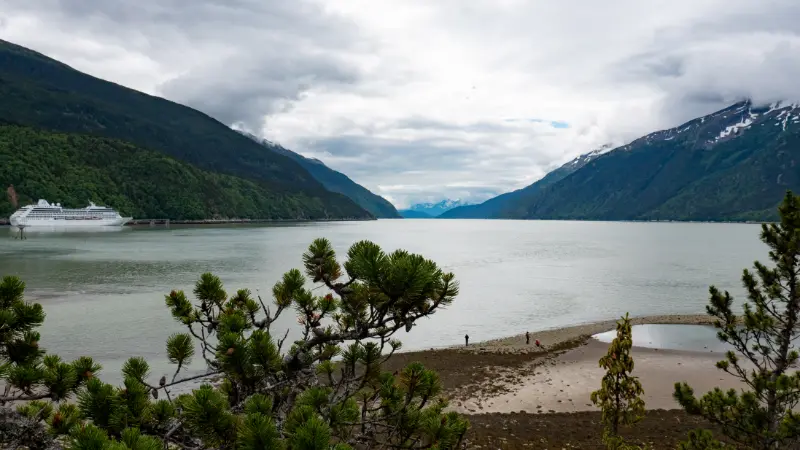
A cruise provides access to Southeast Alaska ports and coastal scenery that are difficult to reproduce by road. An independent land trip gives you more control over Denali, Kenai Peninsula, hiking and wildlife stops. Combining a one-way cruise with a land itinerary can provide the broadest first experience, but it requires more time and budget.
If you have one week, choose one format. With ten to fourteen days, a road trip around Southcentral and Interior Alaska works well. With two to three weeks, cruise plus land becomes much more comfortable.
Anchorage as a gateway
Anchorage is the main air gateway for many travelers and a practical place to collect a rental car, recover from the flight and buy supplies. The city itself has museums, coastal trails and nearby scenery, but most visitors use it as a base for routes north toward Denali or south toward the Kenai Peninsula.
Do not schedule a very long drive immediately after arriving on an international itinerary. Weather, baggage delays and jet lag can make a supposedly efficient first day unsafe.
Denali National Park
Denali is one of Alaska’s most famous destinations, but access inside the park follows a special road and bus system, and road conditions have changed in recent years because of the Pretty Rocks landslide project. Visitors should check current access directly with the National Park Service Denali planning page before building a day around a specific mile marker or tour.
The mountain itself is often hidden by cloud, so avoid defining the success of the visit by one view. Wildlife, tundra, hiking and the scale of the landscape are the real experience.
Seward and the Kenai Peninsula
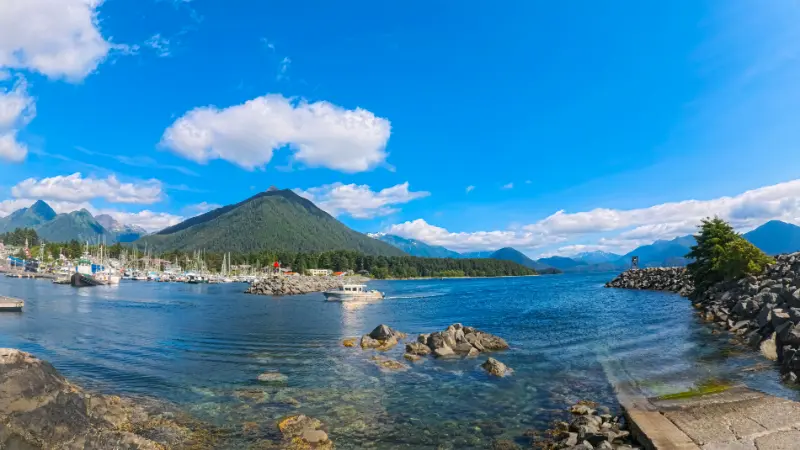
Seward is a popular base for Kenai Fjords National Park, boat tours, glaciers and coastal scenery. The drive from Anchorage along Turnagain Arm is an attraction itself, with mountains and possible wildlife stops. Homer, farther southwest, creates a different coastal experience and requires more driving time.
For a first land trip, two or three nights around Seward can balance Denali’s interior landscapes with marine wildlife and glaciers.
Alaska by train
The Alaska Railroad connects several important visitor destinations and can be an excellent alternative to driving for part of the trip. Scenic rail journeys can link Anchorage, Denali, Fairbanks, Seward and other stops depending on the service and season.
The train is not necessarily a cheaper option, and it reduces spontaneous roadside stops, but it allows everyone to enjoy the scenery without driving. A hybrid trip with train in one direction and rental car in another can work well if logistics and one-way vehicle rates make sense.
Rental cars and long-distance driving
Road conditions on main tourist routes are generally manageable in summer, but construction zones, wildlife and weather require patience. Fuel stations can be far apart, so fill up earlier than you would in a dense U.S. state. Some rental contracts restrict specific unpaved roads, and insurance coverage can differ.
Never assume a road marked on a map is suitable for a normal rental vehicle. Read the contract and use the USA road trip guide for general rental planning.
Wildlife viewing
Alaska offers chances to see bears, moose, whales, eagles, caribou and other wildlife, but sightings are never guaranteed. Professional boat tours and guided wildlife excursions can improve the experience because operators understand local conditions and safe distances.
Moose can be dangerous when approached, and bears require strict food and trail behavior. Carry appropriate deterrent where recommended and learn how to use it. Never trade safety for a closer photograph.
Weather and what to pack
Summer does not mean consistently warm weather. Rain, wind and cool temperatures can appear even during the main season, especially on boats and near glaciers. Layering is more useful than one heavy item: waterproof outer layer, warm mid-layer, quick-drying clothes and comfortable footwear.
Long daylight hours are a major advantage in summer, but they can affect sleep. An eye mask can be surprisingly valuable. In shoulder seasons, daylight changes quickly and snow is possible earlier or later than visitors expect.
Mosquitoes and insects
Mosquito reputation is not entirely exaggerated, but conditions vary by location and season. Wet inland areas can be much worse than windy coastal zones. Carry effective repellent and consider a head net for hiking or camping in problem areas.
Do not let insects discourage the trip. Simple preparation is enough for most visitors, and weather can change insect activity dramatically from one day to the next.
Best time for a first Alaska trip
For most first-time visitors interested in road travel and cruises, late May through early September provides the broadest services and easiest access. June offers very long daylight, July is peak season, and August can bring changing weather and later-summer conditions. September can be beautiful but some visitor services begin closing.
Winter is a separate travel style focused more on northern lights, snow activities and cold-weather logistics. Do not use a summer itinerary with different clothing.
How expensive is Alaska?
Alaska can be expensive because seasonal demand, long transport distances and limited accommodation supply affect prices. Rental cars, cruises, boat tours and remote excursions may be the largest costs. Booking the critical items early can matter more than searching endlessly for tiny savings later.
Balance expensive signature experiences with free hikes and scenic drives. Use the USA travel costs guide and add a larger contingency than you might for a city trip.
A 10-day Alaska land itinerary
- Day 1: Anchorage arrival
- Days 2–3: Seward and Kenai Fjords area
- Day 4: return north with scenic stops
- Days 5–7: Denali area
- Day 8: continue to Fairbanks or return south depending on flights
- Day 9: flexible wildlife or weather day
- Day 10: departure
The flexible day is important. Boat tours can be affected by weather, wildlife is unpredictable and long driving days can take longer than planned. If you add a cruise, extend the total trip rather than cutting every land stop in half.
What I would prioritize on a first trip
I would choose one major wildlife or glacier experience, one national-park focus and enough road or rail time to appreciate the landscape between destinations. I would not build the trip around seeing every famous animal or reaching the Arctic Circle just for a photograph unless those are genuine priorities.
Alaska rewards curiosity and patience. The days that feel least scheduled are often the ones when weather clears, wildlife appears or a roadside stop becomes the strongest memory of the trip.
Related USA travel guides
Before the Alaska trip
Confirm every long-distance transport segment because missing one train, tour departure or cruise transfer can have bigger consequences than in a large city. Carry printed or offline copies of critical confirmations and keep enough warm clothing in your hand luggage in case checked bags are delayed.
For independent driving, let the weather influence the pace. Long daylight can tempt travelers to keep driving late, but fatigue remains real even when the sky is bright. A shorter drive with an unplanned scenic stop is often more valuable than reaching the next hotel hours early.
How I would keep the itinerary realistic
For a Alaska for first-time visitors trip, I would protect at least one flexible block of several hours rather than scheduling every meal and attraction. Travel days take longer than expected once parking, luggage, security, weather and simple fatigue are included. That flexible time can absorb a delay without forcing you to cancel the part of the itinerary you care about most.
I also keep the most important reservation details, addresses and official information pages available offline. The United States is easy to travel once the basic logistics are understood, but distances and local systems vary enough that a little preparation saves a great deal of time. Recheck weather and official alerts before each major driving or outdoor day, then allow the trip to breathe.
Finally, avoid choosing a destination only because it is famous. A better route connects places that make sense together geographically and gives each one enough time. The strongest USA itineraries usually contain fewer stops, shorter transfer days and more opportunities to experience a place beyond its single best-known viewpoint or attraction.
A few final practical details
Before the trip, I would also review the small practical details that become important only after arrival: where the first night is located, what time check-in begins, how the first transfer works, whether parking is included and which reservations can be changed if weather interferes. Saving these details in one offline note prevents repeated searches while traveling.
For driving or outdoor days, start earlier than the minimum schedule requires. Early starts usually mean easier parking, cooler temperatures and more room for unexpected stops. For city days, the opposite can also be useful: one late morning after several busy days can restore energy and make the rest of the itinerary more enjoyable. A good vacation schedule should support the experience rather than constantly compete with it.
I would also keep one financial buffer that is not assigned to a specific attraction. Parking, baggage, tolls, tips, weather changes and last-minute transport can all add cost. Having that margin makes it easier to solve a problem without feeling that one unexpected expense has damaged the entire trip budget.