

Alaska Railroad is one of the rail experiences I would plan as a real itinerary component rather than a last-minute attraction.
The Alaska Railroad is one of the rare U.S. rail systems where a tourist can build an entire vacation around the timetable rather than use the train as a single attraction. The tracks connect Anchorage with Seward, Whittier-area excursions, Talkeetna, Denali and Fairbanks, and the scenery ranges from Turnagain Arm and glacier country to broad Interior Alaska landscapes.
The key to planning well is choosing the right train for the itinerary. The Coastal Classic is ideal for Seward and Kenai Fjords trips. The Denali Star links the major overland visitor corridor from Anchorage through Denali to Fairbanks. Glacier Discovery is a scenic day-trip tool, while the Hurricane Turn and Aurora Winter Train serve very different needs and seasons.
Quick planning summary
- Year-round service: Passenger trains operate in both summer and winter, but routes and frequency change by season
- Denali Star 2026: Daily summer service May 13–September 17 between Anchorage and Fairbanks via Talkeetna and Denali
- Coastal Classic 2026: Daily May 15–September 13 between Anchorage, Girdwood and Seward
- Classes: Adventure Class on all routes; GoldStar on Denali Star and Coastal Classic
- Cash: Onboard purchases are cashless
- Best for: Visitors who want scenery and transportation combined without driving every Alaska segment
Rail schedules, fares, car assignments and operational notices can change. For a 2026 trip, I would always recheck the official booking information for the exact date before making a non-refundable hotel or transport decision.
What makes this railway worth considering
The Coastal Classic is the route I would choose if dramatic scenery is the priority. It follows Turnagain Arm, passes through the Kenai Mountains and reaches Seward in time for many marine excursions. The return is late, which makes an Anchorage–Seward day trip possible but long.
The Denali Star is more about connecting destinations. Anchorage to Denali is a substantial ride, and continuing to Fairbanks makes the train an alternative to driving the Parks Highway. Talkeetna works naturally as a stopover. The view from rail can reveal river valleys and remote sections that feel different from the road, but the greatest value is that the journey replaces a transfer day rather than adding another activity on top of one.
The broader reason to choose a scenic train is not efficiency. Driving is often faster and sometimes cheaper. The railway earns its place when the landscape, historic equipment, onboard atmosphere or freedom from driving adds something you could not reproduce by simply following the nearest highway. That is the standard I would use when deciding whether to devote half a day, a full day or several days to the experience.
What is different in 2026
In 2026, the Denali Star runs from May 13 through September 17, with northbound-only service on the opening date and southbound-only service on the closing date. The Coastal Classic operates daily from May 15 through September 13. The Alaska Railroad also publishes separate 2026 schedules for Glacier Discovery and Hurricane Turn.
Winter service continues on the Aurora Winter Train, generally on weekends from mid-September into May with additional spring dates. The schedule is much less frequent than summer, so a winter rail itinerary must be built around operating days rather than assuming daily departures.
For anything date-sensitive, separate the permanent feature from the seasonal detail. The route and historic character are relatively stable; departure times, locomotive assignments, special events, food service and fares are not. I would save a screenshot or confirmation email after booking, but still check the operator’s site again a few days before departure.
Choosing the right train, class or experience
Adventure Class is the value option and includes assigned seating with large windows. In summer, passengers can move through Adventure cars and use open seating in Vista Dome cars on applicable routes. Food and drinks are available for purchase where dining service operates.
GoldStar Service is offered on the Coastal Classic and Denali Star. It adds glass-dome seating, an outdoor upper-level viewing platform on many cars and included meals, soft drinks and limited alcoholic beverages. Whether the upgrade is worth it depends on budget and trip length. On a long Anchorage–Fairbanks day, the included meals and dedicated dome experience carry more value than on a short segment.
A higher price does not automatically mean a better trip for every traveler. Families may value flexibility and easier boarding more than a premium lounge. Photographers may care about an open platform or window configuration. Couples celebrating something may value a quieter car and included service. Choose the product around what you will actually notice for several hours, not around the most luxurious label.
How early to book
Peak foliage, summer weekends, holiday periods, steam-locomotive dates and premium dome or observation cars tend to fill first. If the train is one of the main reasons for the trip, book it before building every other day around it. If the railway is optional, keep the itinerary flexible and compare several departures before committing.
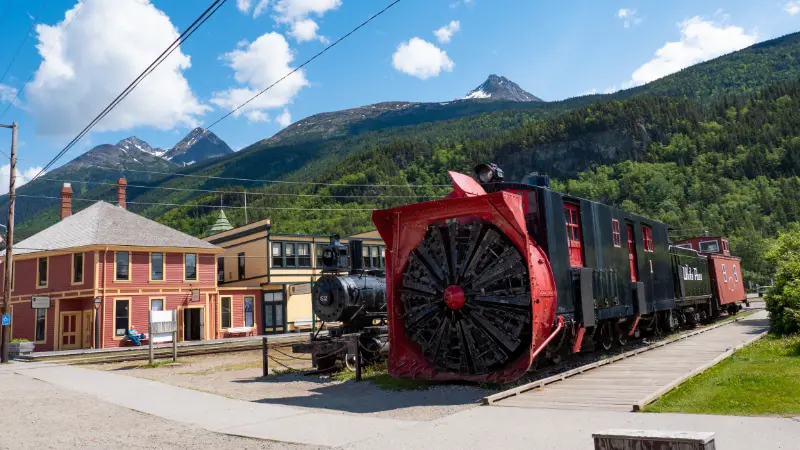
I would be especially cautious with third-party resellers. They can be useful when bundled with a cruise or package, but the railway’s own booking page usually explains car type, age limits, cancellation conditions and accessibility more clearly. When a cruise line or tour operator is involved, compare exactly what extra transport or guarantees are included.
Getting there and where to base yourself
The railroad works best when hotel nights match train stops. For example, Anchorage–Seward by Coastal Classic, two nights in Seward, then back by train avoids an exhausting same-day return. Anchorage–Talkeetna–Denali–Fairbanks can become a coherent one-way itinerary if your flights are arranged open-jaw.
Book accommodation as soon as the rail structure is fixed. Denali and Seward lodging can be expensive in peak summer, and the train alone does not solve where you sleep. If you are combining the railroad with a cruise, leave buffer time before embarkation rather than relying on a same-day arrival from a long rail segment.
For an early departure, sleeping close to the station is often worth more than saving a small amount on a distant hotel. A scenic rail day usually starts with parking, check-in and boarding procedures, and missing the departure can be much harder to fix than being late for a museum reservation. Build at least a modest arrival buffer.
Best time of year
June through August brings the most daylight and strongest visitor infrastructure. May and September can be excellent for lower crowds, but weather is less predictable and some tours operate on reduced schedules. Winter trains offer snow scenery and Northern Lights trip possibilities, but short daylight and limited frequency change the character completely.
Rain is common in coastal Alaska, so choose clothing for wet platforms and excursions, not only a comfortable heated railcar. A waterproof layer and a small daypack are more useful than bulky luggage at your seat.
When scenery is the main attraction, weather matters, but a cloudy day is not automatically a bad day. Mist, snow, autumn color and changing light can make a rail journey more atmospheric. The bigger problem is operational disruption, so flexible lodging and realistic driving plans matter more than chasing a perfect forecast.
What to wear and bring
- Layers that work both inside the car and on exposed platforms or station areas.
- A compact rain shell rather than a bulky umbrella.
- Water and any essential medication in a day bag.
- Sunglasses and sun protection for high-elevation or open-country routes.
- A phone power bank, kept in hand luggage, plus offline copies of tickets if signal is weak.
- A small lens cloth if you plan to photograph through windows.
Keep luggage minimal at your seat. Heritage cars were not designed around modern airline-size suitcases, and even luxury scenic trains work better when the main bag is checked, transferred or left at the hotel according to the operator’s rules.
Food and drinks
Dining service is available on most routes except the Hurricane Turn. GoldStar includes meals on the primary summer routes, while Adventure Class passengers can buy food in the Wilderness Café. All onboard purchases are cashless, so keep a working credit or debit card accessible.
Dietary needs should be communicated in advance when possible. If you have severe allergies, carry safe backup snacks because remote rail travel does not offer the same flexibility as a city station.
If food is a major part of the product, check what is included rather than assuming the ticket covers every drink or tasting. If food is incidental, eat before boarding and use onboard purchases as a supplement. Travelers with medically significant dietary restrictions should contact the operator directly instead of relying only on an online sample menu.
Photography and the best side of the train
The biggest photography advantage of the Alaska Railroad is access to dome and viewing areas rather than a guaranteed “best side.” Water, mountains and wildlife can appear on either side. On the Coastal Classic, Turnagain Arm and the Kenai landscape reward frequent movement within permitted passenger areas.
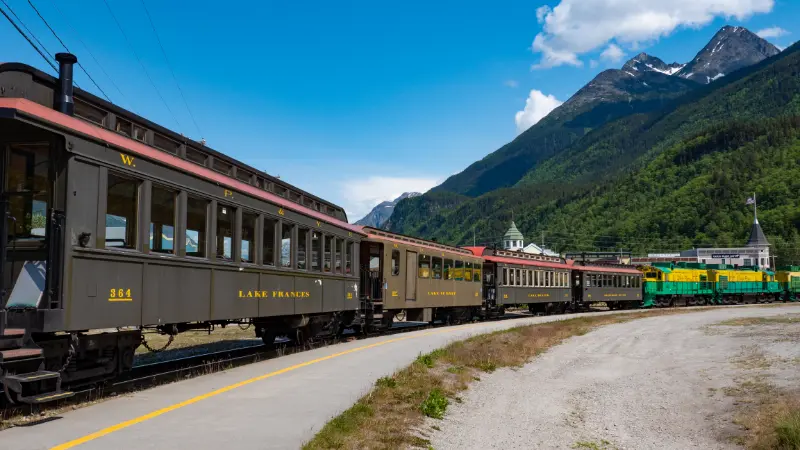
Use a fast shutter if photographing from a moving train and avoid shooting only through dirty or reflective glass. Adventure Class passengers can sometimes access shared dome seating, while GoldStar gives more dedicated panoramic viewing.
On most winding scenic railways, the “best side” changes repeatedly. I would prioritize the best car environment over a rigid left-versus-right rule. If the operator allows movement to observation areas, share the space and return to your seat after taking the view rather than occupying one window for the entire trip.
Traveling with children
Children often enjoy the freedom to stand, walk between permitted cars and watch for wildlife more than a long car journey. The Coastal Classic is particularly easy to understand because the destination—Seward—has obvious family attractions such as the Alaska SeaLife Center and wildlife cruises.
The Denali Star can be a very long day for young children. Breaking the route at Talkeetna or Denali turns rail travel into a series of manageable legs. Bring quiet activities because wildlife sightings are intermittent, not constant.
For families, the length of the excursion matters more than the prestige of the route. A child who enjoys a two-hour train may be miserable on a nine-hour day. When several products are available, choose the shortest version that still includes the scenery you care about, then use the saved time for a playground, easy walk or relaxed meal.
Accessibility and mobility
The railroad provides wheelchair access on many services, but not every remote stop has identical facilities. The official schedule notes accessibility by station and route, so travelers with mobility needs should book with reservations rather than assuming all flag stops or older platforms work the same way.
Luggage handling also varies. Baggage service is available at selected major stations, not every stop. If you are breaking the journey in a small community, confirm what can be checked and what must stay with you.
Historic equipment creates real constraints, so accessibility should be confirmed before purchase rather than inferred from a general website statement. Ask about the boarding height, wheelchair storage, restroom access, stairs inside premium cars and the surfaces at any intermediate stop. If the day includes a bus or hotel transfer, include those segments in the question.
How to combine it with a wider USA trip
These existing MyUSAExperience guides can help with the next stage of planning:
- Alaska first-time visitor guide
- Anchorage first-time guide
- Denali National Park guide
- Anchorage to Kenai Fjords and Seward planning
- Fairbanks first-time guide
The best combination is geographic rather than aspirational. If the train ends late, stay nearby. If it finishes in a national-park gateway, use the next morning for the park. If it is a cruise excursion, protect the ship return time. That simple logic usually produces a better itinerary than trying to stack another famous attraction on the same day.
A realistic first-time plan
- Night before: sleep close enough that traffic or mountain roads will not threaten the departure.
- Arrival: reach the station early, park, use the restroom and confirm boarding instructions.
- Boarding: locate your assigned car first; explore other permitted areas only after the train is underway.
- Scenic sections: alternate between watching, photographing and simply enjoying the landscape rather than filming continuously.
- Midpoint or destination stop: prioritize one or two things instead of trying to see an entire town during a short layover.
- Return: keep the evening light, especially after a full-day excursion or high-elevation trip.
Common mistakes to avoid
- Booking the wrong product. The same railway may sell short rides, full-line excursions, one-way trips, dinner trains and themed events.
- Assuming the most expensive class has the best view. Car design and access to open viewing areas matter more.
- Ignoring weather and elevation. A warm station does not guarantee a warm mountain stop.
- Arriving at the last minute. Heritage railways do not operate like metro trains; boarding closes and departures cannot simply wait.
- Overplanning the rest of the day. Scenic rail travel is slower than it looks on a map.
- Using old fares. Always price the exact 2026 date and class on the official site.
Official information to check before departure
I would recheck the operator’s departure notice, parking instructions, bag policy, accessibility information and any wildfire, weather or maintenance alert in the final 48–72 hours. For routes tied to national parks or cruise schedules, check those official sources as well.
Is it worth it?
For the right traveler, yes—but not because a train is automatically better than driving. The value comes from turning transit into an experience: historic equipment, mountain grades, canyon routes, hosted service or access to scenery you would otherwise miss. If your trip is short and the railway does not fit naturally, skip it without guilt. If the route already lies between places you want to visit, it can become one of the most memorable days of the itinerary.
My rule is simple: book a scenic railway when the journey itself is something you want to remember. If you would spend the entire ride wishing you had reached the destination faster, use the car or ordinary train instead.
Final checklist
- Confirm your exact 2026 date, departure time and boarding location.
- Check whether your ticket is round trip, one way or includes a bus/hotel transfer.
- Read age rules for dome, parlor, wine or premium cars.
- Verify food inclusions and allergy procedures.
- Pack layers and keep essential medication with you.
- Leave enough time after the train before a flight, cruise or long mountain drive.
- Download the confirmation and parking instructions before leaving reliable mobile service.
With those details handled, Anchorage, Seward, Denali, Fairbanks and other Alaska rail stops becomes much easier to enjoy: the schedule is clear, the right class has been chosen and the railway can do what scenic rail travel does best—slow the trip down enough for the landscape to become part of the experience.