

Houston is one of the largest and most diverse cities in the United States, yet it is often reduced to a single attraction: Space Center Houston. The space program is absolutely worth building a day around, but the city becomes much more interesting when you add its museums, food scene, neighborhoods and the sheer cultural variety created by communities from around the world.
For a first trip, I would think in districts rather than landmarks. Houston is spread out, traffic matters, and the weather can change the pace. Four days gives enough time for NASA, the Museum District, central neighborhoods and a flexible food-focused day without spending the vacation in the car.
Planning this trip at a glance
- Ideal first stay: 3 to 4 days
- Best for: space history, museums, food, families and multicultural neighborhoods
- Car needed?: highly useful for most itineraries
- Main airports: George Bush Intercontinental (IAH) and William P. Hobby (HOU)
- Key planning rule: give Space Center Houston its own day
Where to stay in Houston
Downtown works for business-style hotels, sports and central transit. Museum District and nearby Montrose are better for travelers who want culture, restaurants and a more neighborhood feel. Uptown/Galleria suits shopping and certain business trips but is less convenient for a museum-heavy itinerary.
I would choose the base based on two or three fixed attractions, not on a vague idea of being “central.” Houston has several centers, and the wrong location can create an hour of extra driving every day.
Getting around
METRORail is useful along central corridors, especially around downtown, Midtown and the Museum District, but Houston’s scale means a car or rideshare is often necessary for a broad sightseeing plan. Space Center Houston is far southeast of central Houston and deserves a dedicated transfer window.
Traffic can be heavy at commuter times, so I avoid scheduling timed tickets immediately after a cross-city drive. Leave margins instead of building the itinerary to the minute.
Space Center Houston: how I would plan it
Arrive early and give the visit most of the day. The experience combines exhibits, historic spacecraft, educational displays and tram tours that may have limited capacity. Read the current ticket and tour information on the official Space Center Houston site before arriving because offerings and schedules can change.
Families should resist the temptation to add a major evening attraction afterward. A full museum day plus transfers is already substantial, especially with younger children.
Museum District and central Houston
The Museum District is one of Houston’s strongest advantages. The Museum of Fine Arts, Houston Museum of Natural Science, Children’s Museum Houston and other institutions sit close enough that you can build a day without long transfers. Choose one major museum and one smaller stop rather than trying to collect entrances.
Nearby Hermann Park gives you outdoor space between indoor visits, which is especially useful when traveling with children.
Houston through food and neighborhoods
Houston’s food scene is not one cuisine. Tex-Mex and barbecue matter, but Vietnamese, Chinese, Indian, Nigerian, Pakistani and Gulf Coast influences are equally important to the city’s identity. I would choose at least one meal outside the tourist center and let food determine a neighborhood visit.
Montrose works well for independent restaurants and evening atmosphere; EaDo and the Heights offer different versions of local life. Do not cross the whole city for every famous restaurant. Pick places that fit the day’s geography.
A realistic 4-day Houston itinerary
- Day 1 – Downtown and orientation: Keep arrival day central with downtown, Discovery Green or a sports-area walk, then choose dinner nearby.
- Day 2 – Space Center Houston: Reserve most of the day for NASA-related exhibits and tours. Return to the city for a relaxed dinner only.
- Day 3 – Museum District: Pick one major museum, walk Hermann Park and add a second smaller cultural stop if energy allows.
- Day 4 – Neighborhood and food day: Explore Montrose, the Heights, EaDo or another district, planning meals as part of the sightseeing rather than separate appointments.
Budget and booking strategy
Houston can offer good-value hotels compared with some coastal U.S. cities, but transport costs add up. Parking is often easier than in New York or San Francisco, yet rental-car fees, tolls and rideshares should still be included in the daily budget.
Check Visit Houston and the official Space Center Houston site for current schedules and ticket information before your trip.
Mistakes I would avoid
- Treating Space Center Houston as a two-hour stop: it deserves most of a day.
- Booking timed activities across the city back-to-back: traffic makes tight schedules fragile.
- Staying far from your main interests to save a little on the room: transport can erase the savings.
- Eating only barbecue and Tex-Mex: Houston’s international food scene is part of the destination.
- Ignoring heat and thunderstorms: keep indoor alternatives ready.
How to combine this with a bigger USA trip
Houston pairs naturally with our Texas road-trip itinerary. Continue west to San Antonio and Austin, or head toward Louisiana if New Orleans is part of a Gulf Coast route.

If the trip is centered on families, compare Houston with Orlando and San Diego using our USA with kids guide.
Extra practical advice for international visitors
If you are coming from outside the United States, build a little more time into airport arrival, rental-car collection, hotel check-in and long driving days. Sales tax is often added at the register, restaurant tipping is part of the normal budget, and parking can transform the true cost of an apparently inexpensive hotel. Our essential USA travel tips and USA travel-cost guide explain these details in more depth.
I also save offline maps, screenshots of reservations and the exact hotel address before leaving reliable Wi-Fi. In large metro areas, neighborhoods can be far apart even when they look close on a map; in rural areas and national parks, mobile coverage can disappear completely. Treat transfer time as part of the itinerary rather than dead time and avoid scheduling an ambitious drive immediately after a long overnight flight.
Family, accessibility and weather flexibility
A strong itinerary should fit the travelers actually taking the trip. Families usually benefit from fewer daily stops, regular meal breaks and one flexible block each afternoon. Travelers with mobility needs should check the official accessibility information for specific attractions, trails, historic buildings, transit systems and parking areas because conditions can vary even within the same destination.
I also build a weather alternative into every day. A museum, scenic drive, shorter viewpoint, market, aquarium or long lunch can replace an outdoor plan when heat, storms, wildfire smoke, snow or high wind changes the day. That simple backup prevents one weather problem from feeling like a lost vacation day.
What to book in advance
Space Center Houston is the obvious priority. Buy the admission type that matches what you actually want to do and check whether tours or special experiences require separate timing. For museums, special exhibitions may deserve advance tickets, while general admission is usually easier to keep flexible. Restaurant reservations matter most for a few destination dining rooms rather than everyday meals.
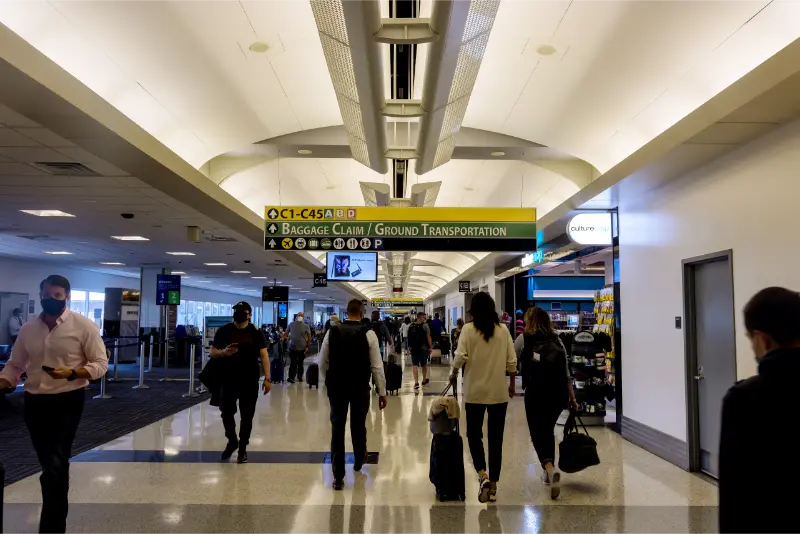
I would also pre-plan the transfer to the airport on departure day. Houston has two major airports, and confusing IAH with Hobby can create a serious problem if someone else books the flight or rideshare.
If you have only two days — or a full week
With two days, choose one NASA day and one Museum District plus neighborhood day. Skip cross-city extras. With five to seven days, Houston can anchor a Gulf Coast itinerary that adds Galveston, coastal nature, or a road trip toward Louisiana. I would still sleep in a second destination instead of driving several hours out and back every day.
Heat, rain and what to carry
Houston’s humidity changes how walking feels. Carry water, sunscreen and a light rain layer, and choose breathable clothing. Sudden heavy rain can flood streets temporarily, so never drive through water covering the roadway. Because much of the trip is car-based, keep a dry change of socks or shoes in the vehicle during stormy periods. Indoor museums make Houston unusually easy to re-plan when the weather turns.

Galveston as a side trip
Galveston can add Gulf Coast atmosphere, historic architecture and beach time, but I would only include it if you have at least four or five nights in the Houston area. A day trip is realistic with a car, yet traffic and weather should decide the timing. If the main vacation already includes Florida or another beach destination, you may prefer to keep the extra day in Houston and explore neighborhoods more deeply.
Families often enjoy the contrast between NASA and the coast, while history-focused travelers can use Galveston for its nineteenth-century architecture and port story. In hurricane season, check forecasts closely and avoid building a non-refundable itinerary around coastal conditions.
Final thoughts
Houston makes sense when you stop searching for one postcard view and instead build the trip around experiences: a full day of space exploration, a serious museum, a neighborhood meal and enough time to absorb the city’s scale. That mix creates a first visit that feels far richer than a quick NASA stop.