

Idaho Falls and Craters of the Moon works best when you plan for the destination’s real geography rather than collecting attractions. I would allow 4 days for a first visit, enough to understand the place without turning every day into a sequence of parking lots and check-in times.
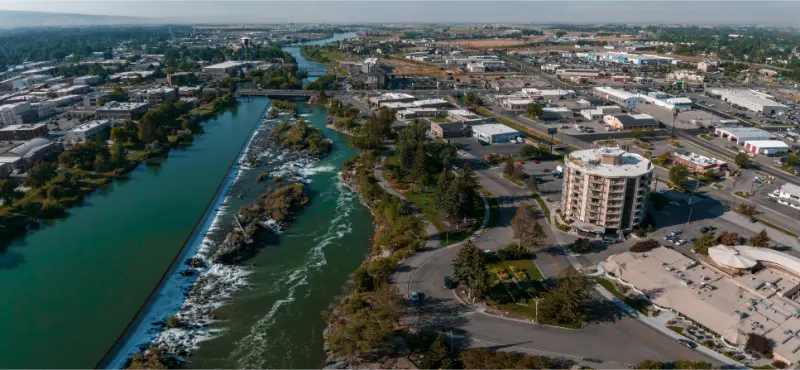
Eastern Idaho is often crossed quickly on the way to Yellowstone or Grand Teton, but Idaho Falls and Craters of the Moon create a road trip with a completely different identity. The Snake River gives Idaho Falls an easy urban base, while the national monument replaces alpine scenery with black lava, cinder cones and caves that feel almost otherworldly.
Quick planning summary
- Recommended stay: 4 days
- Best time: late spring and fall for milder lava-field temperatures; summer works with early starts, while winter creates a very different snow-based visit
- Best base: Idaho Falls for city services and an easy first/last night, then consider a closer overnight if you want sunrise or a slower park day
- Official information: check the official destination or park website
- Accommodation: compare accommodation options
Why this destination is worth your time
The contrast is the point. Idaho Falls provides groceries, restaurants, a river walk and a comfortable staging point; Craters of the Moon gives you a landscape unlike almost anywhere else on a classic western road trip. The drive between them also helps reveal the agricultural and volcanic geography of southern Idaho.
A useful rule for a first trip is to schedule one defining experience per half-day and leave the rest of the block geographically close. That sounds conservative, but it usually creates more real sightseeing time because you spend less of the day searching for parking, waiting in traffic or crossing the same part of town repeatedly.
Best time to visit
Late spring and fall for milder lava-field temperatures; summer works with early starts, while winter creates a very different snow-based visit.
Season changes more than temperature. It can affect road access, wildfire smoke, snow, water levels, event calendars, shuttle frequency, daylight, ferry schedules and hotel prices. Re-check the official forecast and operating information shortly before arrival. If one activity is especially weather-sensitive, put it on the best forecast day rather than locking it permanently to Day 2 months in advance.
Where to stay
Idaho falls for city services and an easy first/last night, then consider a closer overnight if you want sunrise or a slower park day.

When comparing hotels, use the final nightly total rather than the first advertised rate. Parking, destination fees, taxes and the cost of repeatedly driving back and forth can erase a small room-price advantage. For a short trip, I usually prefer a base that makes evenings easy: being able to walk to dinner, a waterfront or a compact center is often worth more than saving a few dollars several miles away.
You can compare places to stay here, but always check the location on a real map before booking.
Getting there and getting around
A rental car is useful whenever the itinerary includes trailheads, scenic drives or rural day trips, but it can become a liability in a compact center. Park once when possible and walk the central zone. This reduces both cost and friction.
If this stop is part of a longer self-drive vacation, read the USA road trip guide. Distances in the United States are deceptive: a route that looks modest on a map can absorb half a day after roadworks, fuel, food, scenic stops and parking are included.
Best things to do on a first visit
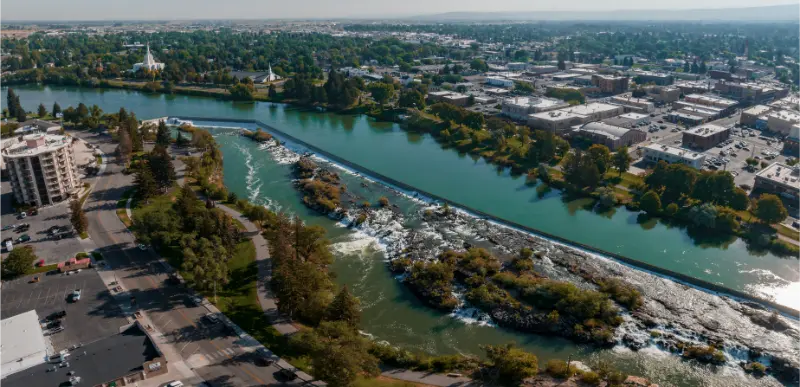
- Walk the Idaho Falls River Walk and use it as a relaxed arrival-day activity.
- At Craters of the Moon, drive the Loop Road when open and stop for short trails instead of rushing directly to one viewpoint.
- Get the required free cave permit in person at the visitor center if you plan to enter lava tubes.
- Carry more water than the mileage suggests because black lava surfaces can feel much hotter than nearby towns.
- Use one additional eastern Idaho stop only if it fits the route naturally; avoid turning the trip into a chain of long detours.
Do not treat this list as mandatory. Pick the experiences that best explain the destination, then give them enough time. If two stops tell essentially the same story, choose one and use the saved hour for a local meal, short walk, market or an earlier arrival at the next base.
A realistic 4 days itinerary
- Day 1: Arrive in Idaho Falls, walk the riverfront and prepare food, water and fuel for the next day.
- Day 2: Drive to Craters of the Moon, start at the visitor center and spend most of the day on the Loop Road and short trails.
- Day 3: Return for a second park block or explore another eastern Idaho landscape depending on weather and energy.
- Day 4: Use the final morning in Idaho Falls before continuing toward Jackson, Yellowstone, Boise or Utah.
How to keep the itinerary flexible
Put the hardest reservation, longest hike or most weather-dependent activity first in the daily structure. Add an easier second block nearby and leave one piece of the day movable. That buffer absorbs traffic, parking delays, a longer-than-expected meal or the simple fact that you may enjoy a place enough to stay another hour.
For travelers coming from Europe, it is also worth remembering that a four-hour drive is not just four hours removed from sightseeing. Hotel checkout, loading luggage, fuel, restrooms and finding the next parking space can turn it into most of a travel day.
Current practical notes for 2026
A free permit is required to enter the lava tube caves at Craters of the Moon, and it must be obtained in person at the visitor center during business hours. The Lava Flow Campground is first-come, first-served rather than reservable. Seasonal road status matters, so verify Loop Road access before planning the visit around specific stops.
Rules, closures and operating hours can change after publication. For anything that would ruin the day if unavailable—boat tours, scenic roads, cave access, stadium tours, trail permits or major events—verify the official source again shortly before departure.
Food and local character
Use at least one meal per day as part of the travel experience rather than something squeezed between attractions. Look for a locally distinctive bakery, market, regional dish, independent café, brewery, seafood stop or neighborhood restaurant. A highly rated place is not automatically the most interesting choice; sometimes the better memory is a simple local business that fits naturally into the route.
Breakfast can be strategically useful on outdoor days because it lets you start before parking areas fill. On city days, a slower breakfast may be worth more than arriving at the first attraction the minute it opens.
Visiting with children
With children, alternate structured attractions with places where they can move freely: waterfronts, parks, short trails, beaches, plazas or recreation paths. Keep snacks, water and a backup indoor option accessible. The USA with kids guide covers car seats, family rooms and long driving days in more detail.
Budget and booking priorities
Book genuinely capacity-limited experiences first: special tours, ferries, trains, cave access, popular event weekends and small-destination hotels. Keep ordinary parks, neighborhood walks and flexible outdoor time movable whenever possible.
For the real trip cost, include accommodation, taxes, parking, fuel, meals, admissions and the occasional convenience expense. The USA travel costs guide can help with the larger vacation budget.
What to pack
Comfortable walking shoes, a refillable water bottle, sun protection, a light rain layer and a portable battery are useful almost everywhere. Add warm layers for mountains, lake shores and shoulder seasons. For hiking or remote drives, carry navigation and safety equipment appropriate to the route rather than assuming phone service will be reliable.
Safety and responsible travel
Keep valuables out of sight in parked vehicles, follow official parking and closure signs, carry more water than you think you need on exposed days and give wildlife space. In mountain, desert, forest and coastal destinations, conditions can change much faster than a city forecast suggests.
Historic districts, tribal lands, farms, campuses, waterfronts and small towns are real communities. Respect private property, stay on public routes, obey closures and spend locally where it makes sense. Responsible travel usually creates a better experience than rushing from one famous photo point to another.
How to connect this trip with other USA itineraries
These existing MyUSAExperience guides are natural extensions:
If you are building a longer vacation, the USA itinerary ideas can help decide whether another hotel change is really worthwhile. Fewer bases often create more usable travel time.
Common mistakes to avoid
- Choosing accommodation only by nightly price without checking location, parking and taxes.
- Assuming a short map distance means a quick transfer.
- Scheduling the most weather-dependent experience with no backup window.
- Trusting an old blog post for current closures, parking or reservation rules.
- Moving the car for every stop in a walkable center.
- Trying to combine a full destination day with a major transfer and enjoying neither properly.
Final thoughts
Idaho Falls and Craters of the Moon is most rewarding when you build the trip around its actual rhythm rather than a checklist. Secure only the reservations that truly need advance booking, choose a practical base and leave enough margin for the experiences that turn out to be better than expected.
If this is your first trip to the United States, combine this guide with the first USA trip planning guide and the getting around the USA guide. The goal is not to see everything. It is to make the days coherent enough that you remember the destination rather than the logistics.