

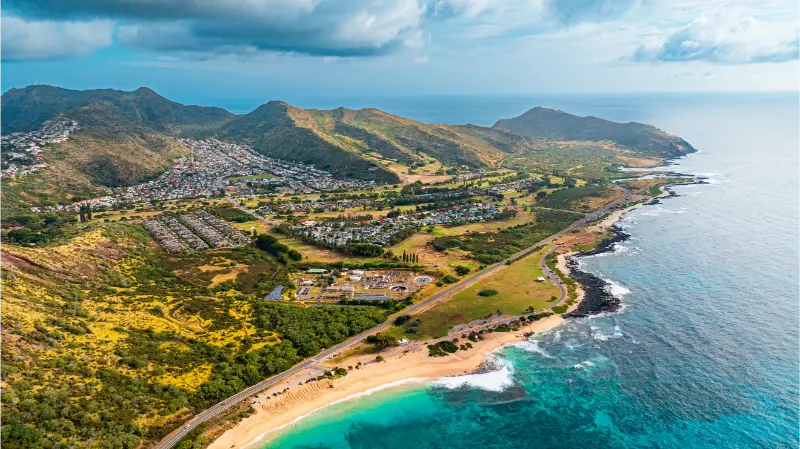
Oahu is the easiest Hawaiian island for many first-time visitors because it combines a major airport, city services, famous beaches, historic sites and dramatic scenery in a relatively compact area. That convenience can also create the wrong expectation: traffic is real, popular sites use reservations, and driving from Waikiki to the North Shore can take much longer than the distance suggests. I would treat Oahu as several distinct regions rather than one resort strip around Honolulu.
If this destination is part of a longer trip, I would first decide what role it plays: a headline stop, a recovery stop between longer drives, or a base for several day trips. That decision controls how many nights you need and prevents the itinerary from becoming a sequence of check-ins. For broader trip design, the USA itinerary guide is a useful starting point.
How many days do you need?
Six days gives enough time for Honolulu and Waikiki, Pearl Harbor, Diamond Head, the windward coast and a North Shore day without changing hotels. Four days can cover the essentials, while a full week allows beach time and weather flexibility. If Oahu is one island in a multi-island Hawaii trip, avoid shrinking it to two rushed days just because Honolulu has the largest airport.
I would count full sightseeing days rather than hotel nights. An arrival after a long flight is not a full day, and a departure morning with a long drive to the airport should not carry a major reservation. This simple distinction makes U.S. itineraries much more realistic, especially in national parks and island destinations where weather or traffic can slow the day.
Where to stay
- Waikiki: easiest for first-time visitors who want beach access, restaurants and a large range of hotels without needing a car every day.
- Ala Moana/Kaka‘ako: useful for travelers who prefer a more urban base with shopping, dining and quick access to central Honolulu.
- North Shore: better for a slower beach-focused stay, but less convenient for Honolulu attractions and airport logistics.
Accommodation should be chosen by morning logistics, not only by price. A room that saves $40 but adds a 60-minute drive at the beginning and end of every day can be poor value. I compare the final nightly price, parking, resort or destination fees, breakfast, cancellation policy and the time needed to reach the first activity. The USA accommodation guide explains the main hotel and lodging formats.
Getting around
You do not need a car for every day in Waikiki. Public buses, rideshares and walking can cover much of Honolulu, while parking fees at hotels can be substantial. Rent a car for the days when you want to explore the windward side or North Shore. Traffic patterns matter, so a 30-mile route can take far longer during commuting hours. Never leave luggage or valuables visible in a parked vehicle at beaches or trailheads.
If you are renting a car, photograph the vehicle at pickup, understand the fuel policy and ask how tolls or road restrictions are handled. Keep the contract accessible offline. The USA road trip guide covers rental-car, toll and parking basics in more detail.
What to see and do
Waikiki
Waikiki is crowded but it remains a convenient first base. Use it for swimming, sunset, restaurants and an easy arrival day rather than treating it as the whole island. The beach changes character block by block, and early morning walks are far calmer than midday. If surfing is new to you, use a reputable lesson and pay attention to local ocean conditions.
Diamond Head
Diamond Head offers one of the classic Honolulu viewpoints. The trail is short but steep, hot and exposed in places, with stairs near the summit. Non-Hawaii residents need an advance entry reservation, and parking reservations are separate. Start early for cooler temperatures and carry water; the crater can feel much hotter than the nearby beach.
Pearl Harbor
Pearl Harbor National Memorial is a place to slow down, not a stop to squeeze between beach activities. The USS Arizona Memorial program is the emotional center for many visitors, while museums and other historic sites can extend the visit. Reservation and bag rules should be checked directly with official sources before arrival.
Windward coast
Kailua, Lanikai-area scenery, the Ko‘olau mountains and eastern viewpoints show a greener side of Oahu. Parking and neighborhood access can be sensitive, so respect signs and avoid blocking residential streets. A scenic drive is most enjoyable when you select a few stops rather than trying to pull over everywhere.
North Shore
The North Shore changes dramatically by season. Winter can bring powerful surf unsuitable for casual swimming, while summer conditions are often calmer. Haleiwa makes a good food and walking stop. If watching large surf, stay well back from the water and follow lifeguard advice; waves can reach farther up the beach than visitors expect.
Snorkeling and marine life
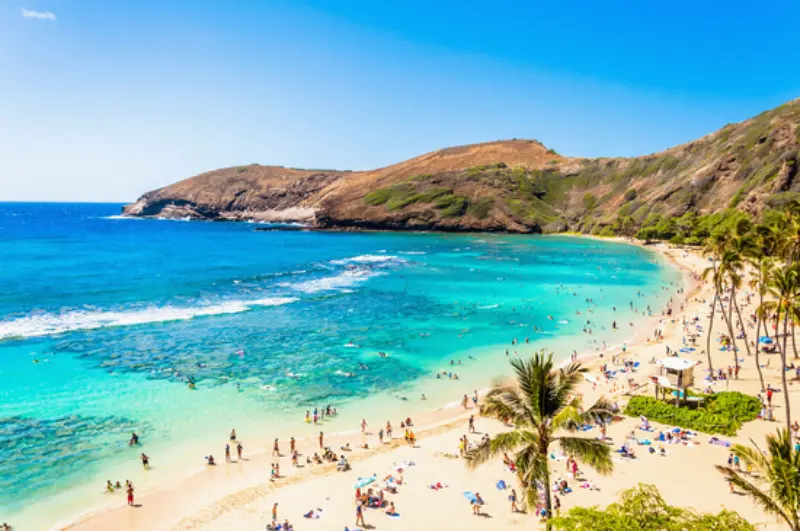
Oahu has excellent snorkeling, but conditions vary daily. Choose protected, lifeguarded beaches where possible and never stand on coral or chase turtles. Reef-safe behavior matters as much as sunscreen choice: keep distance from wildlife, avoid touching marine life and listen to local closures or warning signs.
Honolulu beyond the beach
Downtown Honolulu, Iolani Palace, Chinatown and local food neighborhoods add cultural context to the island. A first trip feels richer when one day includes Hawaiian history and modern city life rather than six versions of the same beach experience.
2026 reservations, permits and rules to know
Non-Hawaii residents need advance reservations for Diamond Head State Monument. The official Hawaii State Parks system allows reservations up to 30 days in advance and lists a $5 non-resident entry fee plus $10 vehicle parking when parking is reserved. The park currently opens at 6 a.m., with the last reservation at 4 p.m. Check the official Diamond Head page before travel because hours and fees can change. Other high-demand Oahu attractions may also use reservations, so book only through official systems.

I save the official rule page as an offline screenshot a few days before travel and check it again the evening before the visit. National parks, state parks and high-demand attractions can change access because of construction, storms, wildfire, staffing or crowd levels. A reservation confirmation also does not necessarily replace an entrance pass, parking fee or identification requirement.
A realistic itinerary
- Day 1 – Waikiki and arrival: Check in, walk Waikiki, swim only if you have enough energy after the flight and keep dinner close to the hotel. Long-haul jet lag is a poor match for a complicated first evening.
- Day 2 – Diamond Head and Honolulu: Use an early Diamond Head reservation, then spend the afternoon in Honolulu at Iolani Palace, downtown or museums. Finish with a relaxed Waikiki sunset.
- Day 3 – Pearl Harbor: Give Pearl Harbor most of the day if history interests you. Return to Waikiki for a light evening rather than immediately driving across the island.
- Day 4 – Windward Oahu: Rent a car and explore the windward coast, choosing a few beaches and viewpoints. Keep the plan flexible for rain over the Ko‘olau mountains.
- Day 5 – North Shore: Drive north early, stop in Haleiwa, visit selected beaches and adjust the day to surf conditions. Avoid swimming where lifeguards or warning signs indicate danger.
- Day 6 – Free beach or activity day: Use the final day for snorkeling, a boat trip, a repeat favorite beach, shopping or simply doing less. This buffer is useful if an earlier day was affected by rain or ocean conditions.
Keep one important experience per day as the priority and let secondary stops remain optional. This protects the trip from becoming a race. If the main hike, boat trip or scenic drive takes longer than expected, you can drop a minor stop without feeling that the day failed.
Best time to visit
Oahu is a year-round destination. Winter brings bigger surf on north-facing shores and slightly wetter weather, while summer tends to have calmer North Shore water and hotter days. Whale season affects the wider Hawaiian experience but Oahu is not the only island for whale watching. Prices and crowds rise around major holidays, so shoulder periods can offer better value without a dramatic weather penalty.
For a nationwide comparison of seasons, school-holiday pressure and regional weather, see the month-by-month USA guide. Local conditions always matter more than national averages, so check weather, road status and alerts for the exact destination in the final week.
Budget and booking strategy
Waikiki hotels often add resort fees and parking charges, so compare the final nightly cost rather than the headline room rate. Food ranges from inexpensive local plate lunches to high-end resort dining. You can reduce transport costs by renting a car only for selected days. Add reservation fees, beach gear, activities and inter-island baggage costs if Oahu is part of a larger Hawaii trip.
My preferred booking order is transport first, then the hardest-to-replace lodging, then limited-capacity activities, and finally flexible attractions. Keep a small contingency for parking, tips, local taxes, baggage, fuel and food-price variation. The USA travel costs guide has a broader budgeting framework.
Visiting with children
Oahu is one of the easiest Hawaiian islands with children because medical services, food options and short-distance attractions are readily available. The main risk is ocean conditions. A beach that looks calm online may be unsafe on the day you visit, so use lifeguarded areas and obey signs. Build shade and rest into the schedule because tropical sun is intense even when trade winds make the air feel comfortable.
With a family, I would shorten driving days and protect meal times rather than adding one more attraction. The USA with kids guide covers car seats, hotel choices, long drives and other practical issues that affect family travel across the country.
Common mistakes to avoid
- Keeping a rental car for an entire Waikiki stay when it is used only twice.
- Arriving at Diamond Head without a non-resident reservation.
- Planning North Shore swimming based on photos rather than same-day surf conditions.
- Leaving valuables or luggage visible in a rental car.
- Treating Honolulu as only a hotel zone and skipping the island’s historical context.
Another common mistake is relying on a screenshot of an old itinerary without checking current opening hours. In the United States, seasonal operations can be dramatic: a road that is a normal summer route may be closed in winter, and a popular trail or beach may use a reservation system only during part of the year. Recheck the first activity of each day before leaving your hotel.
How to combine this stop with a longer USA trip
Start with the Hawaii first-time guide to decide whether Oahu should be your only island or part of a split stay. If you add Maui, the new Maui first-time guide pairs naturally with this itinerary. For family-specific U.S. planning, see USA with kids.
When joining destinations, compare driving time with the cost of a short flight. The United States is large enough that two places appearing close on a national map can still require most of a day in transit. I would rather remove one weak stop and spend an extra night in a strong destination than spend the vacation repeatedly packing bags.
Practical packing and safety notes
Carry a charged phone, portable battery, refillable water bottle and an offline copy of accommodation addresses and confirmations. Outdoor destinations also justify a small first-aid kit, sun protection and layers. Do not rely on mobile coverage for trail navigation or reservations. In cities and busy visitor areas, keep passports and valuables secured and avoid leaving bags visible in parked vehicles.
For any hike, beach, river or mountain activity, make same-day conditions part of the decision. Heat, surf, lightning, snow, smoke, flash floods and wildlife can turn a normally simple activity into a poor choice. Turning around early is not a failed travel day; it is good trip management. Replace the activity with a viewpoint, visitor center, town stop or meal and keep the larger itinerary intact.
Related USA travel guides
Final planning advice
About a week before departure, I review the trip in chronological order: airport arrival, first hotel, each intercity transfer, timed reservations, rental-car pickup or return and the final airport journey. I save confirmation numbers offline and note cancellation deadlines. Then I stop adding attractions. The goal of a good itinerary is not to prove how much you can fit into a day; it is to make the important experiences easy to enjoy.
I also look at the final hour of every day. Knowing how you will return to the hotel after sunset, where the car is parked, whether public transport is still running and where you can get a simple late meal removes a surprising amount of stress. That small piece of planning is especially useful after national-park hikes, island drives and long road-trip days.