

Park City is one of the easiest mountain destinations in the American West to enjoy without turning the trip into a complicated expedition. The historic mining town sits close to Salt Lake City, yet the combination of steep hillsides, preserved Main Street buildings, ski-resort infrastructure and trail access makes it feel much farther from a major airport than it really is.
For a first visit, I would plan around four days. That gives you time for Historic Main Street, a mountain day, Utah Olympic Park and one scenic outing without spending the entire trip moving between reservations. Winter and summer feel like two different destinations, so the smartest itinerary starts with the season rather than with a fixed list of attractions.
Quick planning guide
- Recommended stay: 4 days
- Best approach: build the trip around geography and seasonal conditions rather than a long attraction checklist.
- Where to book: check current accommodation options.
- Transport: choose the least complicated mix of walking, local transit and driving for this specific destination.
- Planning rule: reserve the experiences with limited capacity first, then keep the rest of the itinerary flexible.
Best time to visit
Summer and early autumn are ideal for hiking, biking, patios and scenic drives, while winter is the obvious choice for skiing and snowboarding. Sundance season and peak ski weekends can push hotel rates up sharply. Late spring is quieter but some mountain operations may be limited, so check lift and trail schedules before booking.
Before paying for a non-refundable room, I also check the local event calendar. A festival, holiday weekend, university event, race or concert can change hotel prices and traffic even when the weather looks ideal. Shoulder season is often the best balance, but only when the experiences you care about are actually operating.
Weather should be checked twice: once when you build the trip and again shortly before arrival. In the United States, wildfire smoke, tropical systems, mountain snow, heat waves, road work and seasonal maintenance can change an itinerary faster than a printed guide can be updated.
Where to stay
For a first visit, I prioritize location over a small difference in room size. A cheaper hotel can become more expensive when you add parking, fuel, rideshare trips and the time lost returning to the room during the day.
- Historic Main Street: Best for atmosphere, restaurants and walking; parking is less important if you use the bus.
- Lower Deer Valley: Good for resort access and a calmer residential feel.
- Canyons Village: Useful for travelers focused on Park City Mountain and resort amenities.
- Kimball Junction: Often better value and practical for drivers, but less atmospheric at night.
Compare hotels and apartments for your dates before committing to a non-refundable rate. In destinations affected by weather or seasonal road access, a flexible cancellation policy is often worth paying slightly more for.
Getting around
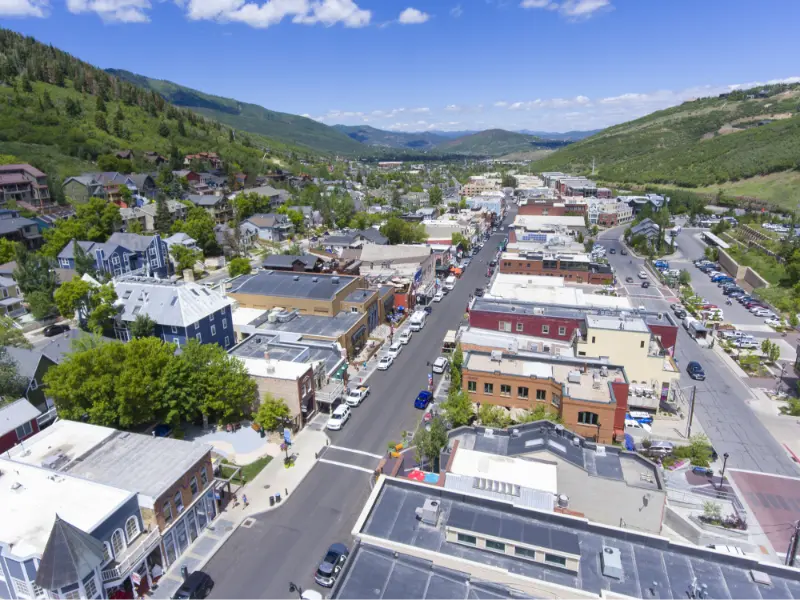
Park City is unusually manageable without a rental car once you arrive. The official visitor bureau confirms that Park City Transit and High Valley Transit operate a free, year-round bus network connecting major resorts, neighborhoods and shopping districts. In peak seasons, using transit is often easier than searching for parking around Main Street or resort bases. A car still helps for Guardsman Pass, Jordanelle Reservoir and wider Utah road trips.
If you rent a car, photograph it at pickup, understand the fuel policy and check whether your hotel charges separately for parking. Keep luggage out of sight when the vehicle is parked. Our USA road trip guide covers rental cars, tolls, parking and practical driving issues in more detail.
Best things to do
Walk Historic Main Street
Start slowly. Main Street works best as more than a shopping stop: look at the preserved facades, side streets and mining-era scale of the town, then return after dark when restaurants and galleries make the street feel different. The steep grade matters more than maps suggest, so comfortable shoes are useful.
Choose one mountain day
Park City Mountain and Deer Valley dominate the landscape, but you do not need to treat them as identical. In winter, compare terrain, lessons and lift products before buying. In summer, look at scenic lifts, hiking, biking and resort-specific activities. One full mountain day is more satisfying than rushing through both bases.
Visit Utah Olympic Park
The 2002 Winter Olympics still shape Park City. The Olympic Park gives context to ski jumping, bobsled and winter-sport training, and seasonal activities can add a more active half-day. Even travelers who do not follow skiing usually appreciate seeing how specialized these venues are.
Explore the trails
The trail network around Park City is extensive. Pick a route according to elevation, weather and your real fitness level rather than simply choosing the most photographed hike. Morning starts are useful in summer; winter visitors should use maintained routes and understand snow conditions before leaving resort areas.
Drive or ride toward Guardsman Pass
When the seasonal road is open, Guardsman Pass is one of the easiest ways to understand the Wasatch landscape around Park City. It works well as a scenic extension rather than a race to a viewpoint. Conditions can change quickly at elevation, especially in shoulder season.
Add Jordanelle Reservoir
Jordanelle gives the itinerary a different visual rhythm: water, open views and picnic or boating opportunities instead of another resort base. It is particularly useful for families or travelers who want one lower-intensity outdoor day.
A realistic itinerary
I prefer itineraries that protect one or two priorities each day and leave room for weather, traffic and discoveries after arrival. The following plan is intentionally realistic rather than optimized for the maximum number of stops.
- Day 1: arrive, settle in, walk Main Street, visit the museum if timing works and have an unhurried dinner downtown.
- Day 2: dedicate the day to the mountain resort that best fits the season and your interests.
- Day 3: visit Utah Olympic Park, then use the afternoon for trails, Kimball Junction or a relaxed spa/restaurant break.
- Day 4: take a scenic outing toward Guardsman Pass or Jordanelle Reservoir before returning to town.
Food and dining strategy
Park City dining ranges from quick cafés to expensive resort restaurants. Main Street has the widest concentration, but a good plan mixes one destination dinner with simpler meals so the food budget does not quietly become the largest expense of the trip. In winter, reserve popular dinner times well ahead; in summer, patios can be as desirable as indoor tables.
Remember that menu prices in the United States usually do not include sales tax, and table-service restaurants generally involve tipping. These small additions can materially change a family travel budget over several days.
How much to budget
Accommodation is the variable that changes the budget most. Ski season, holidays and major events can turn a moderate mountain trip into a luxury-priced stay. Using the free bus can reduce parking and rideshare costs, while grocery breakfasts and one casual meal per day help keep the budget predictable.
Keep a separate contingency amount for weather changes, baggage fees, parking, tips, tolls and an unplanned transport change. For broader estimates by travel style, see our USA travel costs guide.
Families, slower travelers and accessibility
This destination can work well for families and for travelers who prefer a slower pace, but the day should be built around energy rather than around the number of attractions. Alternate one structured visit with an outdoor walk, park, waterfront stop or relaxed meal. For children, protect meal times and avoid making every day a long driving day.
Accessibility can vary sharply between historic buildings, beaches, mountain trails, older downtown blocks and seasonal transport. Check the official accessibility page for the exact places that matter to your trip. A destination described as “walkable” can still include steep grades, sand, cobblestones or long distances from parking.
2026 information worth checking
For 2026 planning, the most useful practical point is Park City’s free public transportation. Resort parking rules can change by season, and the visitor bureau notes that some resort-base parking may require a reservation or fee. Check the official Park City transportation and resort pages shortly before travel rather than assuming a previous winter’s rules still apply.
Official planning source: check the latest destination information. I recommend opening it again a few days before travel because operating hours, parking systems, permits and weather-related closures can change after an article is published.
How to combine it with a longer USA trip
Park City fits naturally before or after a Utah Mighty 5 road trip. If the trip continues through the Rockies, compare the pace with our Colorado road trip guide.
For international travelers, open-jaw flights and one-way rental cars can reduce backtracking, but compare drop fees before assuming they save money. A good U.S. itinerary usually has fewer bases, longer stays and shorter transfer days than the first draft.
Common mistakes to avoid
- Driving everywhere even when the free bus is simpler.
- Booking a cheap hotel far from the areas you actually plan to use.
- Assuming summer and winter attractions operate on the same schedule.
- Underestimating altitude, sun exposure and fast mountain weather changes.
- Trying to ski, tour Olympic Park and explore Main Street all in one day.
Final thoughts
Park City is most enjoyable when you let the town and mountains share the itinerary. Four days is enough to understand why it works as more than a ski resort, while still leaving a reason to return in a different season.
The most successful first visit is rarely the one with the highest number of attractions. It is the one where the geography makes sense, the most important experience is protected and enough unstructured time remains for the destination to feel different from everywhere else on the trip.