

Utah’s five national parks create one of the strongest road-trip routes in the United States because each park feels visually distinct despite sharing the same broad red-rock region. Zion is about steep canyon walls and shuttle-based access, Bryce Canyon is a high-elevation amphitheater of hoodoos, Capitol Reef mixes cliffs with orchards and long scenic roads, Arches concentrates extraordinary rock formations near Moab, and Canyonlands opens into huge desert spaces. The mistake is trying to “collect” all five too quickly. I would treat the Mighty 5 as a ten- to fourteen-day trip whenever possible, with enough time to hike, wait for good light and absorb the distances between parks.
How many days do you need for the Mighty 5?
Seven days can technically connect all five parks, but it creates a schedule dominated by transfers. Ten days is a more realistic minimum for a first visit, while twelve to fourteen days allows two-night bases and weather flexibility. Zion and the Moab area deserve the most time because they offer multiple full-day options.
If you only have a week, choose three parks rather than rushing through five. Zion, Bryce Canyon and Capitol Reef work well together in the west and center, while Arches and Canyonlands share Moab as a base in the east.
Which direction should you drive?
Las Vegas is a practical western gateway for Zion, while Salt Lake City is useful for the northern side of the route. An open-jaw trip can save time: fly into Las Vegas, drive east across the parks and fly out of Salt Lake City, or reverse the route. Rental-car one-way fees can vary, so compare the total price before deciding.
The route itself is part of the experience. Utah Scenic Byway 12 between Bryce Canyon and Capitol Reef is particularly memorable, but it deserves daylight and unhurried stops. Do not schedule it after a long hike when fatigue will reduce both safety and enjoyment.
Zion National Park: plan around access
Zion Canyon access is managed differently from many parks because the shuttle system operates during much of the busy season. Parking in Springdale and entering without relying on a private car can be easier than repeatedly searching for space near the visitor center. Always check current shuttle dates and park alerts before travel.
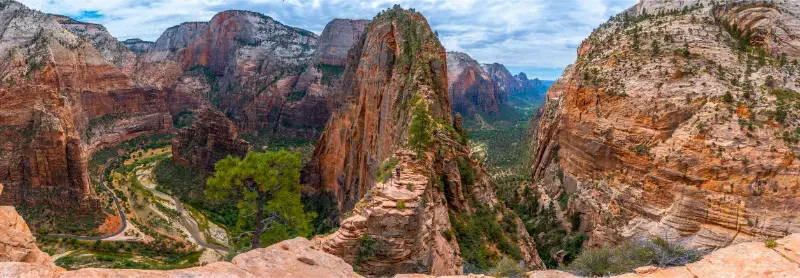
Angels Landing requires a permit for the chain section. The National Park Service continues its permit system in 2026, with seasonal lotteries and day-before opportunities. Check the official Angels Landing permit page rather than relying on old blog posts.
Zion beyond Angels Landing
You do not need Angels Landing to have an excellent Zion trip. Canyon Overlook, Pa’rus Trail, Watchman-area views and other routes can provide strong experiences depending on conditions. The Narrows is another famous option, but water flow, flash-flood risk, temperature and equipment needs make it a hike that must be checked close to the day.
I would give Zion at least two nights and ideally two full days. One can focus on the main canyon, while another can cover a shorter hike, Kolob Canyons or a slower scenic day.
Bryce Canyon: altitude changes the experience
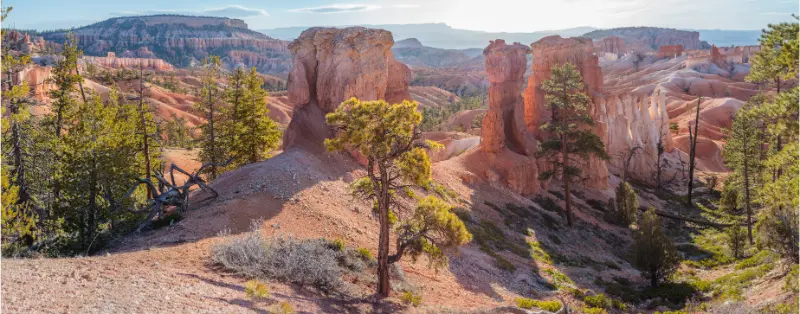
Bryce sits much higher than many visitors expect, so temperatures can be significantly cooler than Zion. Snow is possible outside summer, and even warm-season mornings can be cold. The advantage is that viewpoints and trails are close enough to combine efficiently without constant long drives.
Sunrise is famous, but do not assume sunrise is the only worthwhile time. The hoodoos change color as light moves, and evening can be beautiful with fewer people. A rim walk plus a trail below the rim gives a much better understanding of the formations than viewpoints alone.
Capitol Reef: do not treat it as the park between parks
Capitol Reef is often rushed because it sits between Bryce and Moab, but it rewards a slower day. Fruita, historic orchards, short hikes and the Scenic Drive create a more relaxed rhythm than the heavily visited highlights of Zion or Arches. Road conditions on unpaved side routes can change after storms.
If you have time, stay overnight rather than merely driving through. The surrounding landscape is especially strong in early and late light, and the park can become one of the surprises of the route precisely because expectations are lower.
Arches in 2026: no advance timed entry required
Arches National Park announced that it will not require advance timed-entry reservations in 2026. Visitors can enter during operating hours, although the park warns that entrance lines and full parking areas can occur during busy periods and vehicles may be temporarily diverted when congestion is high. Check the official Arches planning page before arrival.
No timed entry does not mean no planning. Arrive early, keep alternative trail choices and consider late-afternoon or evening visits. Reservations are still required for some specific activities and camping, including Fiery Furnace options and Devils Garden Campground.
Canyonlands: choose a district
Canyonlands is divided into districts that are not connected by a short internal road. Island in the Sky is the easiest first visit from Moab and offers broad overlooks and short walks. The Needles requires more driving but creates a more immersive hiking environment. The Maze is remote and demands specialized preparation.
Do not write “Canyonlands” into one half-day slot without deciding which district you mean. For a first trip based in Moab, Island in the Sky paired with Dead Horse Point State Park is a practical combination.
How long should you stay in Moab?
Three nights is a good minimum for Arches and Island in the Sky. Four nights allows more hiking, a rest period, a longer scenic drive or a day on the Colorado River. Moab has many hotels and restaurants, but prices rise during popular spring and autumn periods.
Because two national parks use the same base, unpacking once here gives the road trip a welcome break from constant hotel changes. It is also a useful place for laundry, supplies and vehicle checks before continuing.
Heat, flash floods and desert safety
Utah can be dangerously hot in summer, particularly on exposed trails with little shade. Slot canyons and washes create flash-flood risks even when the storm is not directly overhead. Check weather, park alerts and trail conditions every morning, and turn around when conditions become uncomfortable.
Carry enough water for everyone in the car and on the trail. Mobile coverage is unreliable in many areas, so offline maps and downloaded reservation details are essential. The national parks planning guide covers passes, reservations and general safety.
2026 fees for international visitors
National park pricing changed in 2026 for non-U.S. residents, including a new nonresident annual pass and additional fees at certain heavily visited parks. Because this can materially affect the cost of a multi-park road trip, check the current NPS nonresident fee guidance before deciding whether individual entrance payments or a pass makes more sense.
The best choice depends on how many covered parks you will visit, the number and ages of travelers and whether the trip continues to other U.S. national parks. Do not rely on prices from 2025 travel guides.
A 12-day Mighty 5 itinerary
- Days 1–3: Zion National Park
- Day 4: Bryce Canyon National Park
- Day 5: Bryce morning and Scenic Byway 12
- Day 6: Capitol Reef National Park
- Day 7: drive to Moab with scenic stops
- Days 8–9: Arches National Park
- Days 10–11: Canyonlands and Moab
- Day 12: drive toward Salt Lake City or continue the Southwest road trip
Add another night in Zion or Moab if hiking is a major priority. If you are connecting to Arizona, the Arizona road trip guide can help build a longer Southwest itinerary.
What I would book first
Book Zion-area accommodation, Moab accommodation and any permit-dependent hike first. Then secure the rental car and the less constrained nights. Campgrounds can require much earlier planning than hotels, especially in spring and autumn.
I would keep at least one day in the route relatively light. Five national parks in succession can create “viewpoint fatigue” if every day is packed. A slower afternoon in a small town or an evening without a major objective can make the later parks feel fresh again.
Related USA travel guides
Extra practical planning notes
Utah’s dry climate can make dehydration less obvious than in humid destinations. Drink consistently before you feel thirsty and carry more water in the vehicle than the day hike requires. In summer, metal surfaces and vehicle interiors become extremely hot, so never leave children or animals in a parked car even briefly.
Night skies are another reason not to rush. Several parks and surrounding communities have excellent dark-sky conditions. One evening outside the busiest town center can be as memorable as another daytime viewpoint, but bring warm layers because desert temperatures can drop quickly after sunset.
How I would keep this trip realistic
For a Utah Mighty 5 road trip itinerary, I would protect at least half a day with no fixed ticket. Travel time, parking, weather and fatigue regularly consume more time than maps suggest. That flexible block can absorb a delay or become the place where you revisit the neighborhood, viewpoint or meal you enjoyed most.
I would also keep reservation numbers, hotel addresses, driving notes and official alert pages in one offline document. This is especially useful in the United States because mobile coverage can change quickly between cities and rural areas. A little organization before departure creates more freedom once the trip begins.
Finally, I would avoid adding a distant attraction only because it is famous. A better itinerary uses geographic logic, shortens unnecessary transfers and creates time for the place itself. The strongest travel memories usually come from a well-paced day, not from the largest possible number of stops.