

Seattle is a strong family city because many major attractions are concentrated into a few walkable zones and public transportation can eliminate the need for a rental car. The challenge is hills, weather and the temptation to book too many ticketed attractions. A family day that looks easy on a map can become exhausting after one museum, a steep walk, a food queue and a tired child.
My family rule is one major paid attraction, one outdoor or movement break and one flexible activity per day. That rhythm works for preschool children, school-age kids and adults traveling together. The exact attraction can change with age, but the pacing principle remains the same.
| Best first stay | 3–4 nights |
| Car needed | No for central Seattle |
| Best family zone | Seattle Center / Lower Queen Anne for attractions; Downtown for transit and waterfront |
| Best rainy-day options | Aquarium, Pacific Science Center, MoPOP, Chihuly |
| Best free experience | Ferry views, parks and waterfront walking depending on route |
Where to stay with children
Lower Queen Anne is convenient for Space Needle, Pacific Science Center and MoPOP, reducing the number of daily transfers. Downtown/Pike Place puts the market, waterfront, Aquarium and ferry terminal close together. Belltown is a useful compromise between the two. Capitol Hill has excellent transit and food but may add more movement to child-focused attractions.
Use the Seattle neighborhood guide and prioritize a hotel that lets you return for a rest. Room size matters less if the location saves an hour of transport every day.
Day 1: Pike Place and the waterfront
Start at Pike Place in the morning before the largest crowds. Children usually respond well to the color, flowers, fish counter and small snacks, but long food queues can destroy momentum. Pick one or two treats and keep moving. The Pike Place guide explains elevator/lower-level planning and the best crowd strategy.
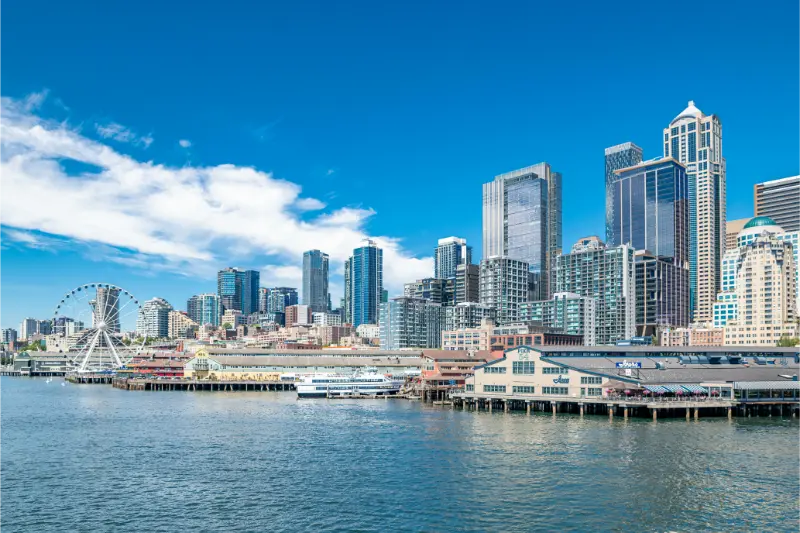
After the market, walk downhill toward the waterfront. Reserve the Seattle Aquarium for late morning or early afternoon if marine life is a priority. The Aquarium currently operates daily and includes Pier 59, Pier 60 and the Ocean Pavilion under one admission. Check current Aquarium visitor information for timed-entry rules.
Nap or rest strategy
Families with younger children should protect a rest block after lunch. A downtown hotel makes this easy. Older children can substitute a slow waterfront walk or snack break. The goal is to preserve enough energy for dinner rather than completing every attraction before 3 p.m.
Day 2: Seattle Center
Use Day 2 for the Space Needle area. Book one timed attraction first, then keep the rest flexible. Pacific Science Center is excellent for hands-on exploration; MoPOP works better for children interested in music, film, games and pop culture; Chihuly is visually striking but more passive. Choose based on your child rather than adult “must-see” lists.
The Space Needle can be exciting for children who enjoy heights, and the rotating glass floor is memorable, but do not pressure a nervous child to stand on transparent sections. Standard observation areas still provide the skyline experience. The Space Needle and Seattle Center guide covers ticket timing and weather strategy.

Use the Monorail as transport and entertainment
The Seattle Center Monorail is short enough to be fun without becoming a complicated transit experience. It links Seattle Center to Westlake downtown. In 2026 the adult one-way fare is listed at $4 and children have separate fares, but verify current Monorail fares before the trip.
Day 3: ferry or zoo, depending on energy
If the family enjoys boats, take the ferry to Bainbridge Island as a walk-on day trip. The crossing provides skyline views and Winslow is accessible without a car. The Bainbridge family-friendly day trip can be shortened to three or four hours.
If animals matter more than ferries, Woodland Park Zoo can fill much of the day. It is outside the main downtown/Seattle Center cluster, so plan the transport in advance and do not combine it with several other major attractions. A zoo day naturally gives children more movement than a museum-heavy schedule.
Rainy-day Seattle with kids
Rain is expected often enough that the itinerary should work in wet weather. Seattle Aquarium, Pacific Science Center and MoPOP are strong indoor anchors. Pike Place remains partly covered, though crowds concentrate indoors. Waterproof shoes and hooded jackets are more practical than large umbrellas when moving through busy sidewalks.
Keep one museum unbooked as a backup rather than purchasing every ticket weeks ahead. Weather flexibility has real value in Seattle, especially with children.
Strollers and hills
Seattle’s downtown topography is steep enough to surprise visitors. A stroller can be useful but heavy uphill pushes become tiring. Plan routes that use elevators, transit or downhill walking when practical. At Pike Place, identify elevator connections instead of defaulting to staircases.
The Monorail and Link light rail are generally easier with strollers than transferring repeatedly between buses. Check station elevator alerts if step-free access is essential.
Public transportation with children
Central Seattle is easier without a car because hotel parking and downtown garages are expensive and time-consuming. Link light rail handles airport/downtown travel, while buses and the Monorail fill local gaps. The Seattle public transportation guide explains payment and routes.
For one difficult late-day transfer, a rideshare can be worth the cost. Family travel is not a competition to use the cheapest mode every time. Saving a tired child from two transfers can protect the evening.
Food strategy for families
Do not wait until everyone is hungry to choose a restaurant. Carry one emergency snack per child and plan lunch slightly before or after peak times. Pike Place is good for sharing several small items, while Seattle Center has enough nearby options that you do not need a long detour.
If a child has dietary restrictions, save two or three backup restaurants on the map before the trip. Busy attractions can make spontaneous problem-solving harder than expected.
Seattle CityPASS for families
The 2026–2027 Seattle CityPASS includes Space Needle and Seattle Aquarium plus three additional choices from Chihuly, Argosy Harbor Tour, MoPOP, Woodland Park Zoo and Pacific Science Center. For families who genuinely want five paid attractions, the savings can be meaningful. But the pass should not force you into five attractions if your children need a slower pace. Compare the current terms at Seattle CityPASS before buying.

What I would skip with very young children
I would not schedule a full-day museum marathon, a late-night observation deck after an early start, or a long national-park day trip with no breaks. Mount Rainier is possible with children, but it is a different travel day with several hours in the car. For a three-day city visit, Seattle itself provides enough variety.
Ages 3–6: best rhythm
Keep days short. Use Aquarium, Pacific Science Center, ferry rides and playground/park time as anchors. Avoid more than one major ticket each day. Return to the hotel for a rest if possible. The memory of riding a ferry or seeing fish may matter more than completing a famous museum.
Ages 7–12: add choice
School-age children can help choose between MoPOP, Pacific Science Center, Aquarium and zoo. Give them ownership of one attraction per day. They are also better able to handle Pike Place and neighborhood walking if food/rest breaks are predictable.
Teenagers: build around interests
Teenagers may prefer MoPOP, Capitol Hill food, viewpoints, shopping or a ferry over traditional child-focused attractions. Let them help choose a neighborhood and one restaurant. A family itinerary becomes much easier when every day contains something selected by the person who is hardest to motivate.
Safety around water and ferries
Supervise young children closely on ferry decks and waterfront areas, particularly in strong wind. Follow crew instructions and keep hands away from rail openings. The Puget Sound water is cold, and a waterfront walk should never become unsupervised climbing on barriers or wet structures.
A realistic three-day family schedule
- Day 1 morning: Pike Place; midday: Aquarium or waterfront; afternoon: hotel rest; early dinner.
- Day 2 morning: Space Needle or Pacific Science Center; lunch; one additional Seattle Center attraction; Monorail ride.
- Day 3: Bainbridge ferry half day OR Woodland Park Zoo; flexible final afternoon; pack early for departure.
Common family mistakes
- Booking two or three timed attractions every day.
- Ignoring hills when planning stroller routes.
- Waiting until peak lunch to find child-friendly food.
- Renting a car for central Seattle without checking hotel parking cost.
- Using a national-park day trip as the only outdoor break.
- Keeping children out until late every night because adults want to maximize sightseeing.
Where to book accommodation
Compare family accommodation in Seattle after filtering by neighborhood, room configuration and cancellation terms. A slightly more expensive central room can be better value than a cheaper hotel that requires two transfers each morning.
Final advice
Seattle with kids is easiest when you reduce the checklist. One attraction, one movement break and one flexible block per day creates enough structure without turning the trip into a schedule. Use ferries and transit as experiences, keep rain alternatives ready and protect the family’s energy for the parts of the city you actually enjoy.