

The Space Needle is worth planning as part of Seattle Center, not as an isolated elevator ride. Within a few minutes on foot you also have Chihuly Garden and Glass, the Museum of Pop Culture, Pacific Science Center, Climate Pledge Arena and the Monorail connection to downtown. That concentration makes Seattle Center one of the easiest half-day or full-day sightseeing zones in the city.
The main decision is timing. Space Needle admission prices vary by date and time, and visibility can change dramatically within the same day. The official site currently lists general admission in a variable price range and recommends advance planning. Always check Space Needle Plan Your Visit for the live hours and ticket price on your date rather than treating a fixed price from an old article as permanent.
| Best visit length | 1.5–2 hours for Space Needle; 4–7 hours for Seattle Center |
| Best weather | Clear or broken-cloud day with good mountain visibility |
| Best pairing | Chihuly for art; MoPOP for music/pop culture; Pacific Science Center for families |
| Downtown connection | Seattle Center Monorail to Westlake |
| Advance booking | Recommended for Space Needle and popular bundled attractions |
What the Space Needle experience includes
The modern Space Needle experience is more than an outdoor observation deck. The upper levels include floor-to-ceiling views, glass features and The Loupe, the rotating glass floor on the lower observation level. Some visitors love the glass-floor effect; others prefer the fixed perimeter. You can experience the skyline without standing on transparent flooring, so fear of heights does not automatically mean you should skip the attraction.
Views depend heavily on weather. On a clear day you can orient yourself to Elliott Bay, Lake Union, the downtown skyline, mountain ranges and sometimes Mount Rainier. On a low-cloud day, the tower may still be atmospheric but the long-distance views can disappear.
Best time of day for the Space Needle
Morning is useful for smaller crowds and crisp visibility after a weather front. Late afternoon provides changing light and can transition into sunset. Night gives you the city lights but removes mountain and water detail. If you have only one visit, choose the best forecast rather than chasing a theoretically perfect hour.
Some pass products include a day-and-night concept, but read the current terms carefully because ticket types change. The official booking flow will show the conditions attached to your exact admission.
Should you buy tickets early?
For summer weekends, holidays, clear-weather days and major event periods, yes. A timed reservation protects your place but reduces spontaneity. The compromise is to watch the forecast several days out and choose a slot once you have reasonable confidence in conditions. If your trip is short and the skyline view is a high priority, book earlier and accept the weather risk.
If your schedule is flexible, compare a single Space Needle ticket with a bundle that includes Chihuly or a Seattle CityPASS product. Bundles are valuable only when you truly want every included attraction.

Chihuly Garden and Glass: best pairing for a first visit
Chihuly is immediately beside the Space Needle and is the easiest combination because the transition takes almost no time. The galleries, glasshouse and outdoor garden create a completely different visual experience from the observation deck. If you enjoy photography, design or contemporary glass, the pairing makes a strong half-day.
A sensible sequence is Chihuly first during poor visibility, then the Space Needle when the sky improves. In strong sun, the outdoor glass garden can be more comfortable earlier or later in the day. Ticket bundles can save money compared with separate admission, but verify the live rates on the official booking pages.
MoPOP: choose it for interests, not obligation
The Museum of Pop Culture is the better choice if music, film, science fiction, games or popular culture are central to your trip. Exhibitions change, so do not assume a specific temporary display will still be there months later. Check the museum’s current exhibition list before buying a timed ticket. MoPOP can easily take two to four hours for visitors who engage with interactive areas, which is why adding it casually after several other museums often leads to fatigue.
Pacific Science Center and families
Pacific Science Center is especially useful for families because it gives children hands-on time between more passive sightseeing stops. It also works well on rainy days. If you are traveling with young children, I would choose Pacific Science Center over trying to force a long adult-focused museum schedule.
The Seattle with kids guide includes a family version of Seattle Center that builds in food, rest and transit time rather than treating the area as a race between ticketed attractions.
Using the Monorail
The Seattle Center Monorail connects Seattle Center with Westlake in the downtown shopping/transit core. It is short, useful and fun enough that many families treat it as part of the sightseeing day. Current 2026 adult one-way fare is listed at $4, with reduced and youth fares available; check the Monorail ticket page before travel because fares can change.
The Monorail does not replace the regional Link light rail network. Think of it as a focused connector between downtown and Seattle Center. For airport and neighborhood travel, use the Seattle transit guide.
Kerry Park before or after Seattle Center
Kerry Park is on Queen Anne Hill and provides the classic skyline view with the Space Needle in the foreground. It is not inside Seattle Center and the walk involves elevation, so check the route before assuming it is a casual five-minute extension. Rideshare or bus can make sense for families or anyone with limited mobility.
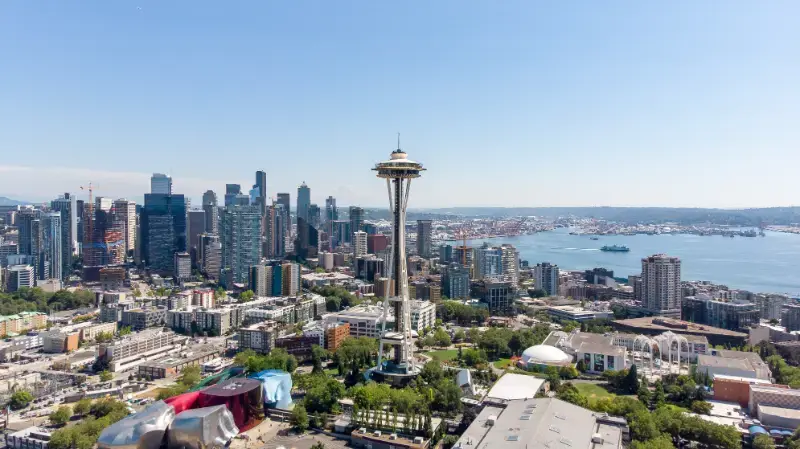
Sunset is popular, but the small viewpoint can become crowded. Mid-morning on a clear day often gives a calmer experience. Mount Rainier visibility is never guaranteed, so do not let one cloud-hidden view dictate the success of the day.
Seattle Center on a rainy day
Rain is one reason Seattle Center works so well: you can move between indoor attractions with short outdoor exposure. The Space Needle itself remains open in many kinds of weather, though severe conditions can affect operations. If cloud cover eliminates the view, spend more time at Chihuly, MoPOP or Pacific Science Center and move the tower reservation if your ticket conditions allow.
Seattle Center with children
Young children do best with one big attraction, one active break and a simple meal. The open spaces around Seattle Center help because kids can move between ticketed stops. The Space Needle elevators are fast, but lines, security and crowded viewing areas still add stimulation. If your child is tired or anxious about heights, do not push the glass floor; the standard viewing areas are enough.
CityPASS: when it can make sense
Seattle CityPASS for 2026–2027 includes the Space Needle and Seattle Aquarium plus three choices from attractions including Chihuly, Argosy Cruises, MoPOP, Woodland Park Zoo and Pacific Science Center. The official product is valid across several days, which is important: do not try to “get your money’s worth” by cramming all five attractions into one day. Check current Seattle CityPASS terms and compare the pass price with the exact attractions you would buy separately.

A realistic half-day plan
- Arrive at Seattle Center 30–45 minutes before your first timed ticket.
- Visit Chihuly or another indoor attraction first if cloud is expected to lift.
- Use the Space Needle in the clearest part of the forecast.
- Take a real lunch break in Lower Queen Anne or Seattle Center.
- Choose MoPOP or Pacific Science Center only if you still have energy.
- Return downtown by Monorail or continue to Queen Anne for an evening view.
A full-day plan for enthusiasts
A full day can combine Space Needle, Chihuly and MoPOP, but protect at least one long meal or outdoor break. Start with the attraction that matters most, not the one that happens to open first. If weather is perfect, prioritize the Space Needle. If rain dominates, begin indoors and keep the tower flexible.
Common mistakes
- Booking three major museums plus the Space Needle with no breaks.
- Choosing a sunset slot months ahead and assuming Mount Rainier will be visible.
- Buying a sightseeing pass before checking whether you want the included attractions.
- Walking uphill to Kerry Park without checking distance and elevation.
- Treating Seattle Center as disconnected from downtown when the Monorail makes the transfer easy.
Where to stay nearby
Lower Queen Anne is the most convenient base for repeated Seattle Center visits, while Belltown is a useful compromise between Seattle Center and Pike Place. Downtown works well if you want direct Link access and multiple attractions. Compare areas in the Seattle neighborhood guide before using current hotel prices near Seattle Center.
Final advice
Build the day around weather and interests, not around the idea that every Seattle Center attraction must be completed. One good museum plus the Space Needle is usually more memorable than four rushed admissions. Reserve enough time to enjoy the views, walk the grounds and adapt when Seattle’s clouds change the plan.
Accessibility and mobility
Seattle Center is relatively compact, but the surrounding Queen Anne neighborhood rises steeply. Visitors who need step-free access should focus on the level campus and use transit or rideshare for uphill viewpoints. The Space Needle provides elevators to observation levels, while individual museums publish their own accessibility information. If a wheelchair, hearing support or sensory accommodation is important, confirm it directly with the attraction before buying a timed ticket.
Food and break strategy
Seattle Center has enough food nearby that you do not need to eat inside the first attraction you visit. A proper lunch between ticketed experiences is useful because museum fatigue is real. If you have a late-afternoon Space Needle slot, eat early and arrive without rushing. Families should keep snacks for children but follow each attraction’s rules about food inside galleries or observation areas.