

Three days in Honolulu is enough to understand why Oʻahu works so well for a first Hawaii trip, but only if you resist the temptation to cross the island repeatedly. The most efficient plan groups Waikīkī and Diamond Head together, gives Pearl Harbor its own half day, and uses downtown Honolulu as the bridge between history, food and the waterfront. That leaves space for beach time instead of turning every day into a race between parking lots.
This itinerary is designed for travelers staying in Waikīkī or central Honolulu. It works with a rental car, but it also works surprisingly well without one because TheBus, Skyline connections, taxis and rideshare cover the urban core. If this is your first island trip, start with my broader Oʻahu guide for first-time visitors and use this three-day plan as the city-focused part of a longer stay.
| Best base | Waikīkī for walkability and beach access |
| Ideal trip length | 3 full days, preferably 4 nights |
| Car needed? | No for this itinerary; useful for later island days |
| Book ahead | USS Arizona program and Diamond Head entry/parking |
| Best pace | One major reservation each morning, flexible afternoons |
Day 1: Waikīkī, the oceanfront and an easy first afternoon
Start where Honolulu is easiest to understand: Waikīkī. The beach is famous, but the neighborhood is also useful for recovering from a long flight because restaurants, shops, surf schools and hotel services are concentrated in a compact area. Walk the beachfront from the Duke Kahanamoku statue toward Kapiʻolani Park, stopping whenever the ocean, shade or jet lag tells you to slow down. On a first day I would avoid a long cross-island drive; Hawaii becomes much more enjoyable when the arrival day is treated as part of the vacation rather than a logistics challenge.
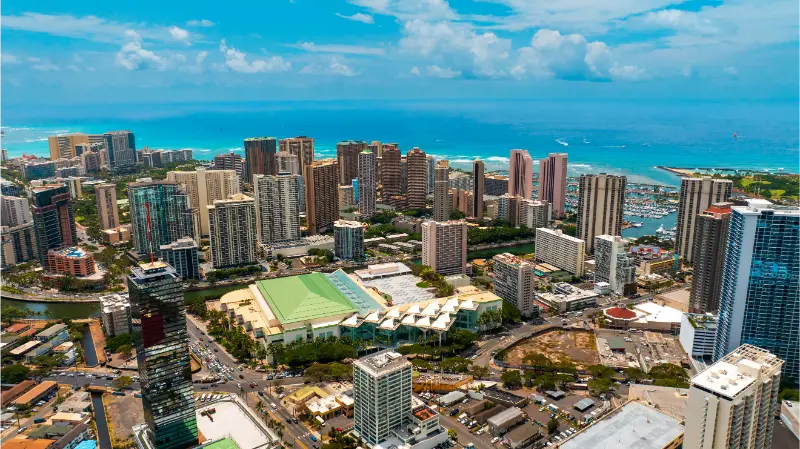
Late afternoon is a good time for the Kuhio Beach area, a beginner surf lesson, or simply watching the light change over the water. If your hotel room is not ready early, leave luggage with the front desk and keep beach essentials in a small day bag. Finish with dinner within walking distance of the hotel. That sounds conservative, but it protects the more structured second and third days from the fatigue that often follows an overnight or trans-Pacific flight.
Day 2 morning: Pearl Harbor without rushing the visit
Reserve the morning for Pearl Harbor National Memorial. The visitor center is currently open from 7 a.m. to 5 p.m., and USS Arizona Memorial programs operate during the day, with the first program at 8 a.m. and the last scheduled boat in mid-afternoon. The program itself is free, while Recreation.gov charges a small reservation fee. Build extra time around your ticket because security, orientation, exhibits and the emotional weight of the site make this more than a quick photo stop.
Pearl Harbor enforces a strict bag policy, so do not arrive with normal backpacks, purses or camera bags unless you plan to use the paid storage facility. A small wallet, phone and permitted clear items are much easier. The official National Park Service planning page is the final reference for current rules: Pearl Harbor National Memorial visitor information. I would allow roughly half a day if the USS Arizona Memorial is your main priority and longer if you add the Battleship Missouri, aviation museum or submarine museum.
Day 2 afternoon: Downtown Honolulu and ʻIolani Palace area
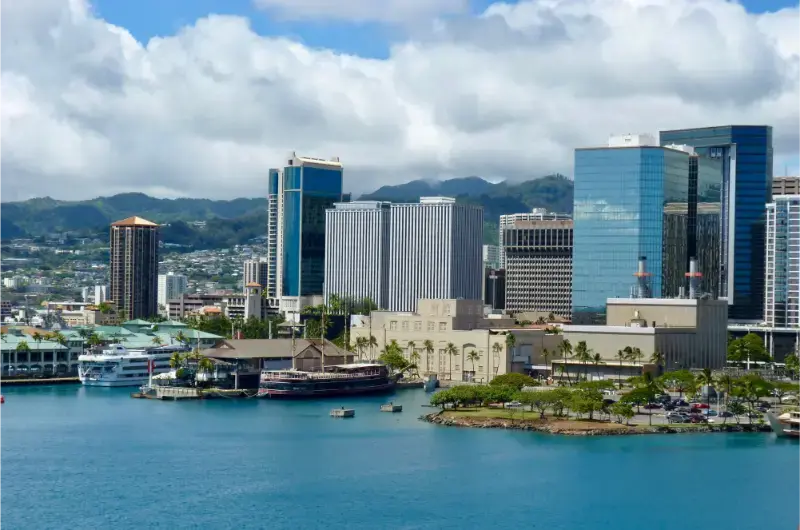
After Pearl Harbor, return toward central Honolulu instead of going immediately back to Waikīkī. The historic civic core gives a very different perspective on the city. Walk around ʻIolani Palace, Aliʻiōlani Hale, Kawaiahaʻo Church and the Hawaiʻi State Capitol area, paying attention to the way royal history, missionary history and modern state government sit within a few blocks. Even if you do not enter every building, the neighborhood adds context that beach-only itineraries miss.
Continue into Chinatown if you still have energy, but keep expectations practical: Honolulu is a working city, not a themed historic district. The reward is the mix of markets, small restaurants, temples, galleries and older commercial architecture. For dinner, you can stay downtown or return to Waikīkī. If you are using public transport, check live schedules rather than relying on a screenshot from the morning; service and traffic conditions matter more than theoretical driving time.
Day 3 morning: Diamond Head before the heat builds
Use the third morning for Diamond Head State Monument. Non-Hawaii residents need advance entry reservations, and parking reservations are also required if you are driving. The summit trail is about 1.6 miles round trip with roughly 560 feet of elevation gain, including stairs and a lighted tunnel. It is short enough to fit into a city itinerary but steep and exposed enough that water, sun protection and sensible shoes matter.
The state park currently operates from 6 a.m. to 6 p.m., with the last entry tied to the late-afternoon reservation period. I prefer an early slot because the trail is cooler and the rest of the day remains open. Check the current reservation rules and storm notices on the official Diamond Head State Monument page before leaving your hotel. Do not plan another fixed-time attraction immediately afterward; queues, parking and heat can easily move the schedule by half an hour.
Day 3 afternoon: choose beach time, Kakaʻako or a cultural stop
After Diamond Head, the best afternoon depends on what the trip still lacks. If you have been moving constantly, go back to the beach. If you want street art, cafes and newer urban Honolulu, spend a few hours around Kakaʻako and SALT. If you want another cultural layer, consider the Bishop Museum rather than adding another outdoor viewpoint. A three-day itinerary becomes stronger when the final half day responds to your interests instead of repeating a generic checklist.
Families often do well with an unstructured beach afternoon because children have already absorbed two history-heavy mornings. Couples may prefer a sunset meal or waterfront walk. Solo travelers can use this period for a museum or neighborhood exploration without worrying about coordinating the group. The main principle is to leave one block deliberately flexible, especially in a tropical destination where weather and energy levels can change quickly.
How to get around Honolulu for this itinerary
A rental car is not necessary for these three days. Parking in Waikīkī can be expensive, while Pearl Harbor, downtown and Diamond Head can all be reached by combinations of TheBus, taxi or rideshare. TheBus introduced updated fares in July 2026: the adult cash fare is $3.25 per boarding, while a HOLO card provides a $3 two-hour fare and a $7.50 daily cap. Those numbers make public transport particularly attractive for travelers who plan several rides in one day.
If you rent a car for a later North Shore or windward-coast day, consider collecting it only when you need it. That avoids several nights of hotel parking charges and reduces the stress of finding parking near urban attractions. My separate Honolulu without a car guide goes deeper into HOLO, airport transfers and luggage rules.
Where to stay for three days in Honolulu
Waikīkī remains the simplest base for first-time visitors because the beach, food and evening activity are outside the hotel door. Stay toward the western side if you want easier access to Ala Moana and downtown; stay closer to Kapiʻolani Park if Diamond Head, quieter mornings and walking are more important. Travelers who dislike resort density may prefer Ala Moana or Kakaʻako, though the classic Hawaii atmosphere is less immediate there.
Compare location before room size. A slightly smaller hotel that eliminates repeated taxi rides can be more useful than a larger room far from the places you want to visit. You can compare current Honolulu accommodation on Booking.com and then map the hotel against your first morning’s reservation. For a short stay, reducing transfer time is one of the easiest ways to make the itinerary feel longer.
What to book before the trip
The two bookings I would make first are the USS Arizona Memorial program and Diamond Head. Once those times are fixed, almost everything else can move around them. If you want a specific luau, restaurant or surf lesson, reserve that next. Avoid booking every meal: Honolulu has enough choice that some spontaneity is valuable, and strict restaurant times can become frustrating after a delayed hike or a long museum visit.
Also check whether any attraction has changed its reservation system after storms or special events. Hawaii’s parks occasionally close for weather, maintenance or natural hazards, and a reservation does not override a safety closure. Save the official park pages rather than relying only on confirmation emails. This is particularly important during tropical-cyclone season and after major rainfall.
Common mistakes on a short Honolulu stay
The first mistake is treating Honolulu as only a sleeping base for island drives. That wastes a city with significant Hawaiian history, excellent food and several of Oʻahu’s most important cultural sites. The second is renting a car for every day without pricing hotel parking. The third is planning Pearl Harbor, Diamond Head and the North Shore on the same day because the map looks small. Traffic and reservation times make that schedule fragile.
Another mistake is ignoring the ocean because the itinerary is full. Waikīkī is not a secondary attraction you squeeze in after sightseeing; it is part of the reason Honolulu works. Leave time to swim, watch sunset or simply walk the beach early in the morning. The goal of a three-day plan is not maximum attraction count. It is a balanced introduction that makes the city, history and landscape feel connected.
How to extend this into a longer Oʻahu trip
With two or three additional days, add the North Shore, the windward coast and one flexible beach or hiking day. I would keep the rental car days together so you only pay for the vehicle and parking when it adds real value. A dedicated North Shore loop works far better than trying to attach Haleʻiwa to a Pearl Harbor morning, and the windward side deserves its own weather-aware day.
If Hawaii is part of a multi-island vacation, resist the urge to leave Honolulu after only one night. Oʻahu is not simply an airport gateway. Three full days give enough time to see the city properly before you move to Maui, Kauaʻi or the Big Island. For island selection and flight planning, use the broader Hawaii first-time visitor guide.
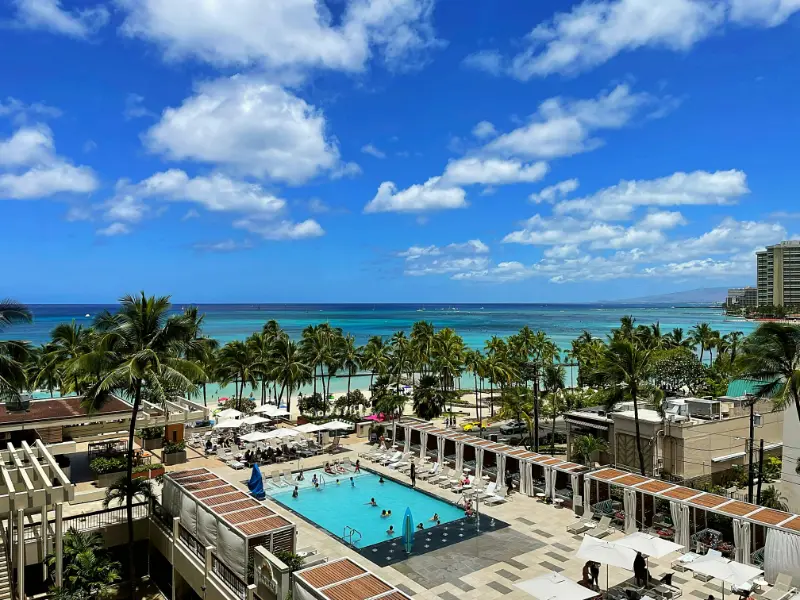
For a first visit, I would book one timed attraction each morning and leave the afternoons looser. Honolulu rewards that rhythm because the beach, food and neighborhoods can absorb extra time without making you feel that a reservation has been missed.
If your flight schedule gives you only two full days, keep Pearl Harbor and Diamond Head, then compress downtown into the Pearl Harbor afternoon. If you have four days, do the opposite: slow down, add a museum or food-focused neighborhood, and give Waikīkī the unhurried beach time it deserves.