

Everglades National Park is not a single swamp viewpoint near Miami. It is a huge subtropical ecosystem with several entrances that do not connect inside the park by a simple loop road. First-time visitors often lose time by entering at the wrong side for the experiences they want. The most practical plan is to choose one day around the Homestead–Flamingo corridor and another around Shark Valley, then decide whether a separate airboat experience outside national-park boundaries fits your trip.
If this destination is part of a longer trip, I would first decide what role it plays: a headline stop, a recovery stop between longer drives, or a base for several day trips. That decision controls how many nights you need and prevents the itinerary from becoming a sequence of check-ins. For broader trip design, the USA itinerary guide is a useful starting point.
How many days do you need?
Two full days gives a much better understanding of the Everglades than a half-day excursion from Miami. One day can cover either Shark Valley or the Homestead/Flamingo side, but not both comfortably. Three days works if you want paddling, birding or a slower wildlife focus. The park pairs naturally with Miami and the Florida Keys, so many travelers can add it without a separate flight.
I would count full sightseeing days rather than hotel nights. An arrival after a long flight is not a full day, and a departure morning with a long drive to the airport should not carry a major reservation. This simple distinction makes U.S. itineraries much more realistic, especially in national parks and island destinations where weather or traffic can slow the day.
Where to stay
- Homestead/Florida City: practical for the main park road toward Flamingo and usually cheaper than central Miami.
- Miami: convenient if the Everglades is one excursion within a city trip, but daily traffic adds time.
- Florida Keys/Key Largo: useful when linking the park with a Keys road trip, though not equally convenient for every entrance.
Accommodation should be chosen by morning logistics, not only by price. A room that saves $40 but adds a 60-minute drive at the beginning and end of every day can be poor value. I compare the final nightly price, parking, resort or destination fees, breakfast, cancellation policy and the time needed to reach the first activity. The USA accommodation guide explains the main hotel and lodging formats.
Getting around
A car is the simplest way to connect visitor centers and trailheads. The park’s entrances are separated by public roads outside the park, so navigation apps can mislead visitors into thinking two sites are closer than they are. Fuel up before long drives toward Flamingo, carry water and download offline maps. Cell service is uneven in remote areas.
If you are renting a car, photograph the vehicle at pickup, understand the fuel policy and ask how tolls or road restrictions are handled. Keep the contract accessible offline. The USA road trip guide covers rental-car, toll and parking basics in more detail.
What to see and do
Shark Valley
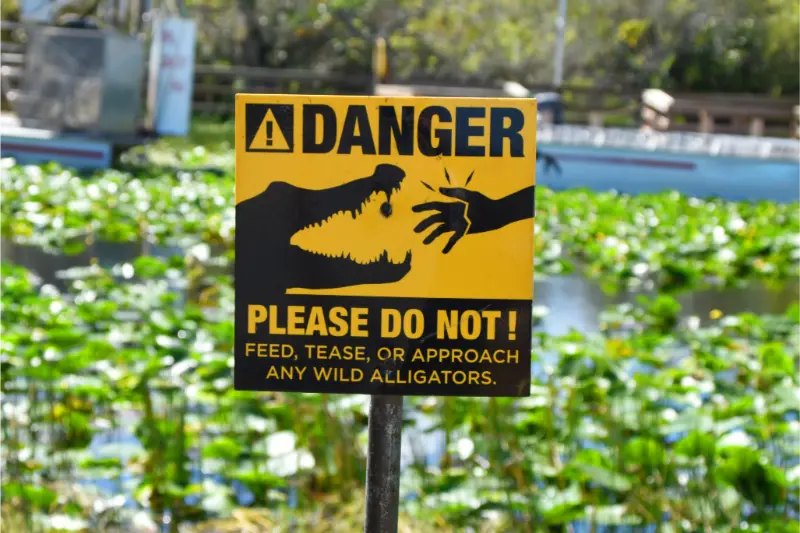
Shark Valley is one of the best places for first-time visitors to see the flat open landscape and wildlife. The paved loop is used by cyclists, pedestrians and an authorized tram tour. Alligators and birds may be close to the path, but that does not make them safe to approach. Keep the required distance and never block an animal’s route.
Anhinga Trail
Near the Royal Palm area, Anhinga Trail is a short, accessible walk that can produce excellent wildlife viewing, especially in the dry season. Because it is easy to reach, it is ideal for families or travelers with limited time. Morning and late afternoon can be more comfortable than midday, but mosquitoes and heat should be expected depending on season.
Flamingo
Flamingo is at the end of the main park road and gives access to Florida Bay, marina activities and a different ecosystem from Shark Valley. The drive is long enough that it should be a planned destination, not an accidental extra. Check current services before departure because concessions and boat operations can vary seasonally.
Pa-hay-okee and short boardwalks
Short walks and overlooks along the Homestead–Flamingo road help reveal how the landscape changes from sawgrass to mangrove and coastal environments. They may not look dramatic in photographs, but together they explain the Everglades much better than one airboat ride. Stop selectively and read interpretive signs.
Wildlife and alligators
The park is a wild ecosystem, not a zoo. Alligators, crocodiles, snakes and other animals should be observed from a safe distance. Feeding wildlife is dangerous and illegal. In warmer months, insects can be intense, so repellent, long sleeves and realistic expectations are part of the experience.
Airboats
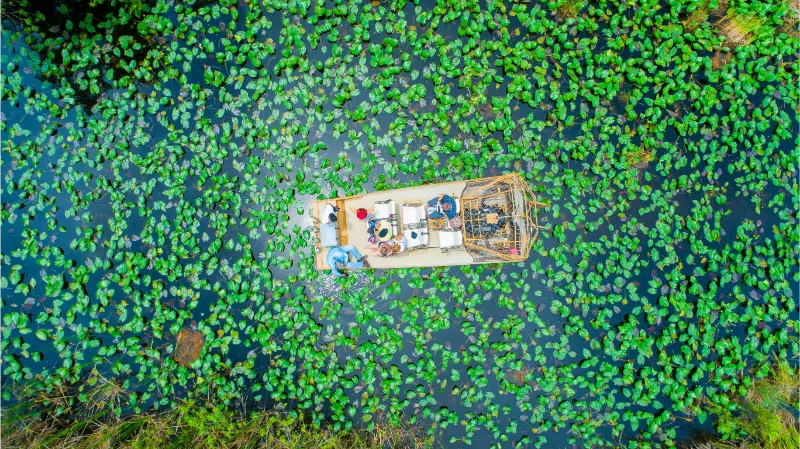
Most traditional airboat rides operate outside the boundaries of Everglades National Park, particularly in adjacent areas. That does not make them automatically bad or good; it simply means they are a separate commercial experience. If you choose one, use an authorized operator and avoid assuming it replaces time inside the national park.
Paddling and ranger activities
Kayaking or canoeing can offer a quieter view of mangrove and wetland habitats, but routes, tides, weather and navigation skills matter. Beginners should consider guided options. Ranger programs, when available, are another excellent way to understand a landscape that can appear visually subtle from a car.
2026 reservations, permits and rules to know
The Everglades NPS fees page for 2026 lists a standard private-vehicle entrance fee of $35, with lower rates for motorcycles and individuals. It also lists an additional $100 per-person fee for non-U.S. residents age 16 and over unless admission is covered by an eligible annual/America the Beautiful pass under the current rules. Federal fee policies can change, so international travelers should verify the official Everglades fees page immediately before travel rather than relying on an older guide. The park is cashless at its entrance stations.
I save the official rule page as an offline screenshot a few days before travel and check it again the evening before the visit. National parks, state parks and high-demand attractions can change access because of construction, storms, wildfire, staffing or crowd levels. A reservation confirmation also does not necessarily replace an entrance pass, parking fee or identification requirement.
A realistic itinerary
- Day 1 – Homestead to Flamingo: Enter from the Homestead side, stop at Royal Palm/Anhinga Trail, select a few short walks and continue toward Flamingo. Use the afternoon for the marina, a boat activity or coastal viewpoints if conditions are good.
- Day 2 – Shark Valley and wider Everglades: Visit Shark Valley early and walk, cycle or use the tram depending on availability. If you want an airboat experience, add an authorized operator outside the national park later in the day rather than trying to fit it before a rushed park visit.
Keep one important experience per day as the priority and let secondary stops remain optional. This protects the trip from becoming a race. If the main hike, boat trip or scenic drive takes longer than expected, you can drop a minor stop without feeling that the day failed.
Best time to visit
The dry season, roughly winter into early spring, is the easiest period for first-time visitors because humidity is lower, mosquitoes are generally less intense and wildlife often concentrates around remaining water. The wet season is hotter, stormier and more insect-heavy but also lush and biologically active. Hurricane season requires flexible planning and attention to forecasts, especially for trips that continue into the Keys.
For a nationwide comparison of seasons, school-holiday pressure and regional weather, see the month-by-month USA guide. Local conditions always matter more than national averages, so check weather, road status and alerts for the exact destination in the final week.
Budget and booking strategy
Everglades costs depend heavily on whether you add tours. The park itself can be inexpensive after entrance fees, but tram tours, boat trips, airboats and guided paddling add up. International visitors should pay particular attention to the 2026 nonresident national-park fee structure. Staying in Homestead can reduce hotel costs compared with Miami Beach while also cutting morning driving time.
My preferred booking order is transport first, then the hardest-to-replace lodging, then limited-capacity activities, and finally flexible attractions. Keep a small contingency for parking, tips, local taxes, baggage, fuel and food-price variation. The USA travel costs guide has a broader budgeting framework.
Visiting with children
The Everglades can be excellent with children because wildlife sightings happen on short trails, but supervision is critical around water and animals. Do not let children approach alligators even if other visitors are standing close. Sun protection, insect repellent, drinking water and simple explanations about wildlife distance make the experience safer and more enjoyable.
With a family, I would shorten driving days and protect meal times rather than adding one more attraction. The USA with kids guide covers car seats, hotel choices, long drives and other practical issues that affect family travel across the country.
Common mistakes to avoid
- Assuming every Everglades entrance connects directly to the others inside the park.
- Visiting only an airboat operator and believing you have seen the national park.
- Approaching alligators because they appear calm.
- Arriving in the wet season without insect and storm preparation.
- Using outdated entrance-fee information, especially as a non-U.S. resident in 2026.
Another common mistake is relying on a screenshot of an old itinerary without checking current opening hours. In the United States, seasonal operations can be dramatic: a road that is a normal summer route may be closed in winter, and a popular trail or beach may use a reservation system only during part of the year. Recheck the first activity of each day before leaving your hotel.
How to combine this stop with a longer USA trip
The Everglades fits perfectly between the Miami and Florida Keys road trip and a dedicated Key West stay. It can also be added to the broader Florida travel guide. For federal park passes and reservations, review the U.S. national parks guide.
When joining destinations, compare driving time with the cost of a short flight. The United States is large enough that two places appearing close on a national map can still require most of a day in transit. I would rather remove one weak stop and spend an extra night in a strong destination than spend the vacation repeatedly packing bags.
Practical packing and safety notes
Carry a charged phone, portable battery, refillable water bottle and an offline copy of accommodation addresses and confirmations. Outdoor destinations also justify a small first-aid kit, sun protection and layers. Do not rely on mobile coverage for trail navigation or reservations. In cities and busy visitor areas, keep passports and valuables secured and avoid leaving bags visible in parked vehicles.
For any hike, beach, river or mountain activity, make same-day conditions part of the decision. Heat, surf, lightning, snow, smoke, flash floods and wildlife can turn a normally simple activity into a poor choice. Turning around early is not a failed travel day; it is good trip management. Replace the activity with a viewpoint, visitor center, town stop or meal and keep the larger itinerary intact.
Related USA travel guides
Final planning advice
About a week before departure, I review the trip in chronological order: airport arrival, first hotel, each intercity transfer, timed reservations, rental-car pickup or return and the final airport journey. I save confirmation numbers offline and note cancellation deadlines. Then I stop adding attractions. The goal of a good itinerary is not to prove how much you can fit into a day; it is to make the important experiences easy to enjoy.
I also look at the final hour of every day. Knowing how you will return to the hotel after sunset, where the car is parked, whether public transport is still running and where you can get a simple late meal removes a surprising amount of stress. That small piece of planning is especially useful after national-park hikes, island drives and long road-trip days.