

Bryce Canyon is compact enough to understand quickly but spectacular enough to deserve more than a roadside stop. Its hoodoos, amphitheaters and high-elevation forests look different at sunrise, midday and after a summer storm. Because most first-time highlights sit along one main road, it is tempting to schedule Bryce between two long drives. I would instead give it at least one full day and preferably two, allowing time to walk below the rim as well as see the famous overlooks.
If this destination is part of a longer trip, I would first decide what role it plays: a headline stop, a recovery stop between longer drives, or a base for several day trips. That decision controls how many nights you need and prevents the itinerary from becoming a sequence of check-ins. For broader trip design, the USA itinerary guide is a useful starting point.
How many days do you need?
One full day can cover the Bryce Amphitheater viewpoints and one classic hike. Two days is better because you can separate the rim and hoodoo trails from the southern scenic drive. Three days is useful for longer hikes, photography or a slower family visit. Bryce pairs naturally with Zion, but doing both parks as rushed half-days misses what makes each one different.
I would count full sightseeing days rather than hotel nights. An arrival after a long flight is not a full day, and a departure morning with a long drive to the airport should not carry a major reservation. This distinction is especially important in national parks and road-trip destinations where weather, parking or seasonal operations can slow the schedule.
Where to stay
- Bryce Canyon City: convenient for the shuttle station, restaurants and quick park access.
- Inside Bryce Canyon National Park: excellent for sunrise and early trail starts when lodging or camping is available.
- Tropic: a quieter alternative east of the park with local lodging and dining, but you will drive to the entrance each day.
Accommodation should be chosen by morning logistics, not only by price. A room that saves money but adds an hour of driving at the beginning and end of every day can be poor value. Compare the final nightly price, parking, destination fees, breakfast, cancellation policy and the time needed to reach the first activity. The USA accommodation guide explains the main lodging formats.
Getting around
Bryce Canyon has a seasonal shuttle that serves the Bryce Amphitheater area and reduces the need to move your car between popular viewpoints. In 2026 the shuttle operates from early April into October, with longer hours in the main summer period. The southern scenic drive remains useful by car for viewpoints farther from the amphitheater. I would use the shuttle for Sunrise, Sunset, Inspiration and Bryce Points, then drive the southern road separately.
If you are renting a car, photograph the vehicle at pickup, understand the fuel policy and confirm how tolls or unpaved-road restrictions are handled. Keep the contract accessible offline. The USA road trip guide covers rental-car, toll and parking basics in more detail.
What to see and do
Sunrise Point and Sunset Point
These two rim viewpoints are connected by an easy section of the Rim Trail and are excellent for a first look into the amphitheater. Despite the names, both can be beautiful at different times of day because most viewpoints face generally east. Early morning gives cooler temperatures and stronger shadows among the hoodoos.
Navajo Loop and Queen’s Garden
The classic combination descends from the rim into the hoodoos and shows why Bryce is more rewarding on foot than from overlooks alone. Trail sections can close seasonally because of ice, rockfall or maintenance. The climb back to the rim is strenuous at this elevation, so carry water and take more time than the mileage suggests.
Inspiration Point
Inspiration Point offers a broad elevated view of the Bryce Amphitheater. Railings and cliff edges require care, especially with children. I like this stop after hiking below the rim because the landscape makes more sense once you have seen the hoodoos from both perspectives.
Bryce Point
Bryce Point is another major amphitheater overlook with dramatic morning light. It is served by the shuttle in season and can be combined with a section of the Rim Trail. Wind and cold can be surprisingly strong even on sunny days because the park sits at high elevation.
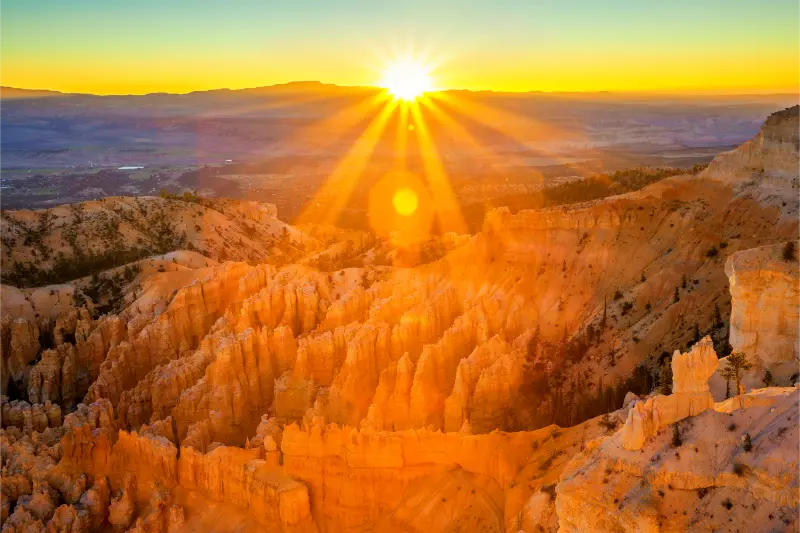
Southern Scenic Drive
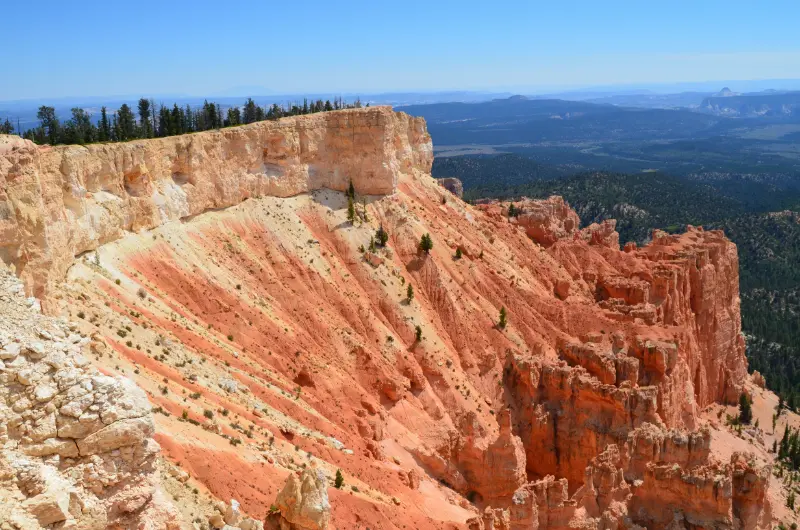
The main park road continues south to higher viewpoints including Natural Bridge and Rainbow Point. Drive to the far end first and stop at overlooks on the return to reduce repeated turns across traffic. Weather can change quickly along this elevated route.
Mossy Cave area
Mossy Cave lies outside the main entrance on Highway 12 and provides a different style of short walk beside water and cliffs. Parking can fill quickly and roadside behavior is closely managed. Treat it as an optional stop, not an overflow parking solution when the main park is busy.
Night sky and quiet hours
Bryce has exceptionally dark skies compared with major cities. If conditions are clear, spend time outside after dark rather than ending every day at dinner. Bring warm layers even in summer because nighttime temperatures at elevation can fall quickly.
2026 reservations, permits and rules to know
Bryce Canyon National Park does not require an advance reservation or timed-entry reservation to enter in 2026. Entrance fees still apply. The 2026 park shuttle is scheduled from April 3 through October 18, with service hours varying by season. The shuttle is included with valid park admission. Check the official Bryce Canyon shuttle page and current conditions before arrival. Campgrounds and lodging have their own reservation systems, separate from park entry.
I save the official rule page offline a few days before travel and check it again the evening before the visit. National parks, tribal parks and high-demand attractions can change access because of construction, storms, wildfire, staffing or crowd levels. A reservation confirmation also does not necessarily replace an entrance pass, parking fee or identification requirement.
A realistic itinerary
- Day 1 – Amphitheater and hoodoo hike: Start early at Sunrise or Sunset Point, walk the Queen’s Garden/Navajo area if conditions allow, then use the shuttle for Inspiration and Bryce Points. Rest in the afternoon and return for sunset or night-sky viewing.
- Day 2 – Southern scenic drive: Drive to Rainbow Point early and work back toward the amphitheater, stopping at selected viewpoints. Add Mossy Cave or a short rim walk only if time and parking conditions are comfortable.
Keep one important experience per day as the priority and let secondary stops remain optional. If the main hike, scenic drive or reservation takes longer than expected, you can drop a minor stop without turning the whole day into a race.
Best time to visit
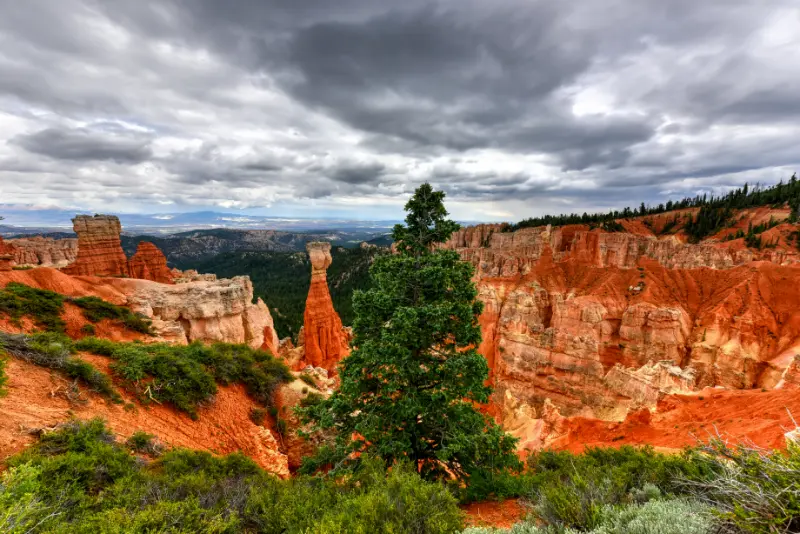
Late spring through early autumn offers the easiest access, but the high elevation keeps nights cool. Summer afternoons can bring thunderstorms, so exposed rim areas deserve caution. Autumn combines crisp air with fewer visitors after peak season. Winter can be extraordinary when snow covers the hoodoos, but roads, trails and temperatures require more preparation.
For a nationwide comparison of seasons, school-holiday pressure and regional weather, see the month-by-month USA guide. Local conditions always matter more than national averages, so check weather, road status and alerts for the exact destination in the final week.
Budget and booking strategy
Bryce is relatively simple to budget: lodging is the largest variable, followed by meals and park entrance. Staying in Bryce Canyon City costs more than some distant towns but reduces daily driving. If your trip includes Zion, Arches and other federal sites, compare the current pass options before purchasing separate entry at each park.
My preferred booking order is transport first, then the hardest-to-replace lodging, then limited-capacity activities, and finally flexible attractions. Keep a contingency for parking, tips, local taxes, baggage, fuel and food-price variation. The USA travel costs guide has a broader budgeting framework.
Visiting with children
Families can enjoy the rim viewpoints and shuttle without committing to a steep trail. If hiking below the rim, remember that the return is uphill at high elevation. Children should stay well back from unguarded edges and adults should not encourage risky photo poses near drop-offs.
With a family, I would shorten driving days and protect meal times rather than adding one more attraction. The USA with kids guide covers car seats, hotel choices, long drives and other practical issues that affect family travel across the country.
Common mistakes to avoid
- Spending only twenty minutes at Sunset Point and leaving.
- Assuming the named sunrise and sunset viewpoints are the only good places for light.
- Underestimating cold, wind and high elevation.
- Starting a long hoodoo hike without checking trail closures or thunderstorms.
- Driving between every amphitheater viewpoint when the seasonal shuttle is easier.
Another common mistake is relying on an old itinerary without checking current opening hours. In the United States, seasonal operations can change dramatically: a road that is normal in summer may be closed in winter, and a trail or parking area may use reservations during only part of the year. Recheck the first activity of every day before leaving your hotel.
How to combine this stop with a longer USA trip
Bryce belongs naturally in the Utah Mighty 5 road trip and is easy to combine with the Zion guide. For a larger Southwest loop, continue toward Moab or Grand Canyon.
When joining destinations, compare driving time with the cost of a short flight. Two places that appear close on a national map can still require most of a day in transit. I would rather remove one weak stop and spend an extra night in a strong destination than spend the vacation repeatedly packing bags.
Practical packing and safety notes
Carry a charged phone, portable battery, refillable water bottle and an offline copy of accommodation addresses and confirmations. Outdoor destinations also justify a small first-aid kit, sun protection and layers. Do not rely on mobile coverage for trail navigation or reservations. In busy visitor areas, keep passports and valuables secured and avoid leaving bags visible in parked vehicles.
For any hike, beach, river or mountain activity, make same-day conditions part of the decision. Heat, surf, lightning, snow, smoke, flash floods and wildlife can turn a normally simple activity into a poor choice. Turning around early is good trip management. Replace the activity with a viewpoint, visitor center, town stop or meal and keep the larger itinerary intact.
Related USA travel guides
Final planning advice
About a week before departure, I review the trip in chronological order: airport arrival, first hotel, each intercity transfer, timed reservations, rental-car pickup or return and the final airport journey. I save confirmation numbers offline and note cancellation deadlines. Then I stop adding attractions. The goal of a good itinerary is not to prove how much you can fit into a day; it is to make the important experiences easy to enjoy.
I also look at the final hour of every day. Knowing how you will return to the hotel after sunset, where the car is parked, whether public transport is still running and where you can get a simple late meal removes a surprising amount of stress. That small piece of planning is especially useful after national-park hikes and long road-trip days.