

Three full days is the point at which a first Yosemite trip starts to feel like a visit rather than a race. One day can show you Yosemite Valley, but three days lets you combine the famous granite-and-waterfall landscape with at least one of the park’s other personalities: Glacier Point, giant sequoias around Mariposa Grove, or the high country along Tioga Road. My preferred 2026 plan keeps the first day mostly in Yosemite Valley, uses the second for a longer hike plus Glacier Point when the road is open, and leaves the third flexible for Mariposa Grove or Tuolumne Meadows.

In 2026 Yosemite does not require a vehicle reservation simply to enter the park, but that should not be confused with “no planning needed.” Lodging and campgrounds can sell out, Half Dome requires a permit when the cables are up, and summer parking in Yosemite Valley can fill early. Start with the first-time Yosemite guide if you still need the big-picture rules, then use this itinerary to turn those rules into a practical three-day sequence.
| Best length | 3 full sightseeing days plus arrival/departure time |
| Car | Useful for Glacier Point, Mariposa Grove and Tioga Road; not ideal for moving around the valley |
| 2026 entry reservation | Not required |
| Best first base | Inside Yosemite or as close to the entrance you will actually use as budget allows |
| Biggest seasonal variable | Tioga Road and Glacier Point Road opening dates |
Before Day 1: choose the right base
A hotel advertised as “near Yosemite” can still be a long mountain drive from Yosemite Valley. For a three-day trip, location matters more than it does on a relaxed week-long stay. Inside the park, Yosemite Valley gives the shortest morning transfer to the iconic sights; El Portal is practical for the Highway 140 entrance; Fish Camp and Oakhurst can make sense if Mariposa Grove is a priority; Groveland works better for Highway 120. Compare actual drive time, not straight-line distance.
If your budget allows, I would pay somewhat more to remove a long commute on at least the first two mornings. You can compare current accommodation options on Booking.com, but always map the property to Yosemite Valley before paying. Mountain roads make thirty miles very different from thirty interstate miles.
Day 1: Yosemite Valley without constant car moves
Enter early and treat your first parking space as valuable. The National Park Service specifically advises day visitors to arrive before 9 a.m. during busy periods because parking can fill after that. Once parked, use the free valley shuttle, walk, or rent a bicycle rather than driving from Yosemite Falls to Curry Village to another lot. The valley is compact enough that repeated car moves usually waste more time than they save.
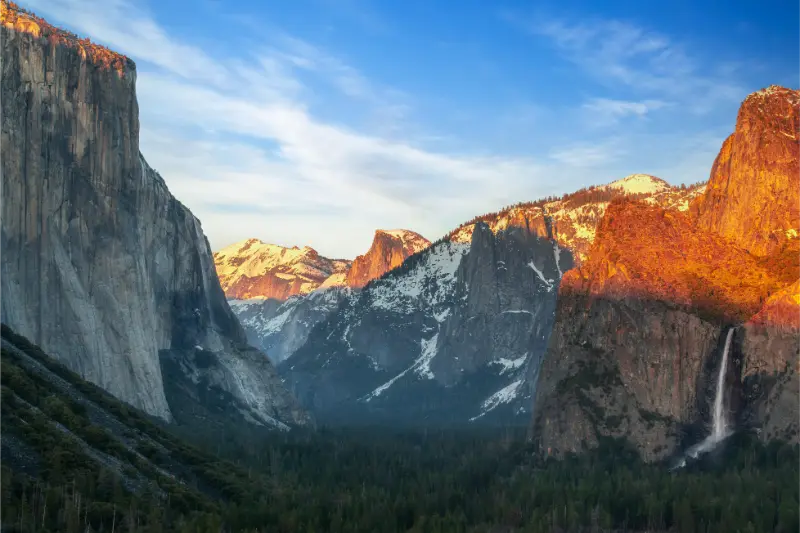
Begin with Lower Yosemite Fall and the meadows around Yosemite Village, then continue toward Cook’s Meadow and views of Half Dome. After lunch, move toward El Capitan Meadow or the western valley. Finish at Valley View or Tunnel View if you have a car and traffic is manageable. The detailed Yosemite Valley guide below turns this into a stop-by-stop plan.
Day 2 morning: choose one meaningful hike
Do not build Day 2 around three famous hikes. Choose one objective and give it enough time. For many first-time visitors, the Vernal Fall Footbridge or the top of Vernal Fall is a better use of the morning than a hurried attempt to cover the entire Nevada Fall loop. Strong hikers with an early start can continue farther, but the granite steps, spray and elevation gain make the Mist Trail much more physical than the mileage suggests.
In 2026 trail work affects the Mist Trail on some weekdays, with the John Muir Trail used as a detour during work hours. Check the official Vernal and Nevada Fall trail page before the hike rather than relying on a map saved months earlier.
Day 2 afternoon: Glacier Point when open
If Glacier Point Road is open and weather is clear, the overlook makes an excellent second half of the day. From Glacier Point you see Yosemite Valley, Half Dome and the high country from a perspective that explains the shape of the park far better than a collection of roadside photographs. The drive from the valley is not short, so I would not try to squeeze Glacier Point between two fixed reservations.
Stop at Washburn Point on the approach if parking is easy, then spend real time at Glacier Point. Sunset can be beautiful, but remember that the drive back is winding and dark afterward. If you prefer not to drive, seasonal tour-bus service can be useful when operating; the Glacier Point guide explains the options.
Day 3 option A: Mariposa Grove
Choose Mariposa Grove if giant sequoias matter to you, if Tioga Road is closed, or if your trip exits through the South Entrance. In 2026 the free grove shuttle runs seasonally from the welcome plaza; private cars generally cannot drive the grove road unless displaying a disability placard. That means you need to budget time for parking, the shuttle ride and walking in the grove.
The Grizzly Giant and California Tunnel Tree form a satisfying half-day for many visitors. Strong walkers can continue farther into the upper grove, where the atmosphere is quieter. Pair the grove with Wawona rather than driving all the way back across the park for one more valley viewpoint.
Day 3 option B: Tioga Road and Tuolumne Meadows
If Tioga Road is open, the high country is the strongest contrast to Yosemite Valley. Tenaya Lake, Olmsted Point and Tuolumne Meadows sit at much higher elevation, with cooler temperatures, broad granite slabs and subalpine meadows. The 2026 season opened unusually early in mid-May, but that does not predict future years; opening and closing dates remain snow dependent.
Allow a full day rather than treating Tioga Road as a shortcut. Stop at Olmsted Point, walk by Tenaya Lake, and choose one modest Tuolumne hike. If you are continuing to the eastern Sierra, this can become your departure day. Read the Tioga Road and Tuolumne Meadows guide before deciding how far east to go.
What to do if roads are closed
Spring trips require a different mindset. Yosemite Valley can be green and full of waterfalls while Tioga Road remains under deep snow. Glacier Point Road can also stay closed well after lower-elevation roads are clear. Do not plan a rigid “Day 3 high country” itinerary until the road status is confirmed.
A closed Tioga Road is not a ruined trip. Replace the high country with Mariposa Grove if accessible, Wawona, a longer valley walk, or a second hiking day. In winter, Badger Pass can become a snow-play or cross-country-ski option. The park is large enough that seasonal closures should change the itinerary, not cancel it.
Meals, water and the rhythm of the day
Restaurant lines can steal prime daylight. I like one proper sit-down meal per day and simpler food for the other meals, especially on hiking mornings. Carry enough water for the hike you actually plan to do and refill when you pass reliable taps. Do not assume every high-country stop has food or drinking water; services along Tioga Road can be limited even when the road itself is open.
Pack snacks before the first hike and keep food stored according to Yosemite’s bear rules. Never leave a cooler or scented items carelessly in a vehicle. A little food planning is not glamorous, but it is one of the easiest ways to keep a three-day itinerary from losing an hour to an avoidable detour.
How much hiking is realistic in three days
A common mistake is combining a strenuous Day 2 hike with another demanding route on Day 3 because the trail distances look modest. Yosemite elevation gain and granite terrain accumulate quickly. If you hike to Nevada Fall, Clouds Rest, or Half Dome, the following day should usually be lighter unless your group is genuinely conditioned for back-to-back mountain days.
For a mixed-ability trip, I would combine one substantial hike with two days of shorter walks. Lower Yosemite Fall, Cook’s Meadow, Mirror Lake approaches, Mariposa Grove loops and Tenaya Lake give you real time outdoors without turning every day into an endurance test.
A realistic way to organize the day
On each day, protect the first three hours for the activity that matters most. In Yosemite that usually means parking, a trailhead or a high-country drive. Leave lunch and the final stop flexible. If parking or a shuttle takes longer than expected, drop the least important viewpoint rather than shortening every stop. I would also avoid crossing the park simply to “use up” remaining daylight; two hours in a meadow or by the Merced River can be more memorable than another hour behind a windshield.

For Day 3, make the final decision the evening before using the road and weather forecast. That is especially important around Tioga Road, Glacier Point Road, wildfire smoke and autumn storms. Yosemite rewards adaptable plans.
What to check before leaving your hotel
Yosemite is a mountain park, so a plan that was perfect when you booked can change because of road work, fire activity, snow, thunderstorms, parking pressure or trail maintenance. I would check the official current-conditions page, save the relevant map offline and confirm the first trailhead or shuttle stop before setting out. That small routine prevents most avoidable problems.
- Current NPS road status for Tioga Road, Glacier Point Road and the entrance you will use.
- Trail alerts for your chosen hike, especially Mist Trail construction or weather hazards.
- Shuttle schedules for Yosemite Valley and Mariposa Grove.
- Water, food, layers, sun protection and any permit confirmation needed for the day.
- Fuel level and the return route if you plan to leave the valley after dark.
Mistakes I would avoid
Driving between every valley sight
Once you have a legal parking space in Yosemite Valley, keep it unless you are actually leaving the valley. The shuttle and walking network are designed to reduce the constant parking hunt.
Planning Tioga Road before checking the season
The high country is seasonal. A May trip cannot be planned as if it were August, and an autumn storm can change conditions quickly.
Treating Half Dome as an optional add-on
Half Dome is a permit-controlled, strenuous objective. It requires a dedicated plan, not spare time after breakfast.
Staying far away to save a small amount
A cheaper room can cost you two extra hours of driving every day. Compare total trip value, not only nightly rate.
Packing every famous stop into one sunset
Yosemite is at its best when you have time to watch light change on the cliffs. Keep at least one evening unhurried.
Where this fits in a first Yosemite trip
This three-day plan works best after you have read the general first-time guide and before you book a specific hotel or hiking permit. If your trip is only one day, stay focused on Yosemite Valley. If you have four or five days, add a dedicated high-country hike, Hetch Hetchy, a second sequoia grove or a slower Wawona day rather than simply repeating the same viewpoints.
Useful links for planning
- NPS Yosemite current conditions
- NPS Yosemite public transportation
- Mist Trail and Vernal/Nevada Fall guide
- Yosemite-area accommodation on Booking.com
Final planning notes
Three days will not “finish” Yosemite, and that is the point. A good first visit gives you one strong valley day, one hike that feels worth the effort, and one experience outside the valley floor. If you leave wanting to return for a different season, a high-country backpacking trip or a winter weekend, the itinerary has done its job.
Keep screenshots of reservations and road information offline because reception is inconsistent. Recheck conditions each morning, and give yourself permission to change the order of Days 2 and 3 when weather or road access makes another sequence smarter.