

Moab is not simply a gateway town for Arches National Park. It is the practical center of a much larger red-rock landscape that includes Canyonlands, the Colorado River, Dead Horse Point, scenic byways, mountain-bike terrain and enough hiking to fill a week. The challenge for a first visit is not finding things to do; it is deciding what to leave out. I would build the trip around two national-park days and use the remaining time for viewpoints, river scenery and a slower pace.
If this destination is part of a longer trip, I would first decide what role it plays: a headline stop, a recovery stop between longer drives, or a base for several day trips. That decision controls how many nights you need and prevents the itinerary from becoming a sequence of check-ins. For broader trip design, the USA itinerary guide is a useful starting point.
How many days do you need?
Four days gives first-time visitors a strong introduction without turning every sunrise and sunset into a race. Three days can cover Arches, Island in the Sky and one extra scenic experience. Five or six days makes sense if you want longer hikes, rafting, mountain biking or a deeper Canyonlands day. Moab also works as a midpoint on a longer Utah road trip rather than a stand-alone flight destination.
I would count full sightseeing days rather than hotel nights. An arrival after a long flight is not a full day, and a departure morning with a long drive to the airport should not carry a major reservation. This simple distinction makes U.S. itineraries much more realistic, especially in national parks and island destinations where weather or traffic can slow the day.
Where to stay
- Downtown Moab: convenient for restaurants, outfitters and evening walks, with the widest choice of hotels.
- North Moab: useful for quicker access toward Arches and Interstate 70, though less walkable for dinner.
- South Moab: often quieter and practical for larger properties, but you will drive for most meals and park days.
Accommodation should be chosen by morning logistics, not only by price. A room that saves $40 but adds a 60-minute drive at the beginning and end of every day can be poor value. I compare the final nightly price, parking, resort or destination fees, breakfast, cancellation policy and the time needed to reach the first activity. The USA accommodation guide explains the main hotel and lodging formats.
Getting around
A car is the practical choice in Moab. Arches and Canyonlands are large, trailheads are spread out, and summer temperatures make casual walking between sites unrealistic. Fuel up before long drives and do not treat distances inside Canyonlands as city distances; viewpoints may be separated by slow roads and scenic stops. Download offline maps because mobile coverage can be weak away from town.
If you are renting a car, photograph the vehicle at pickup, understand the fuel policy and ask how tolls or road restrictions are handled. Keep the contract accessible offline. The USA road trip guide covers rental-car, toll and parking basics in more detail.
What to see and do
Arches National Park
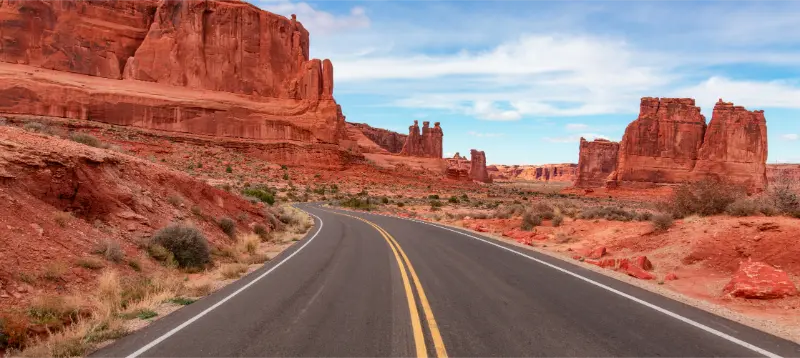
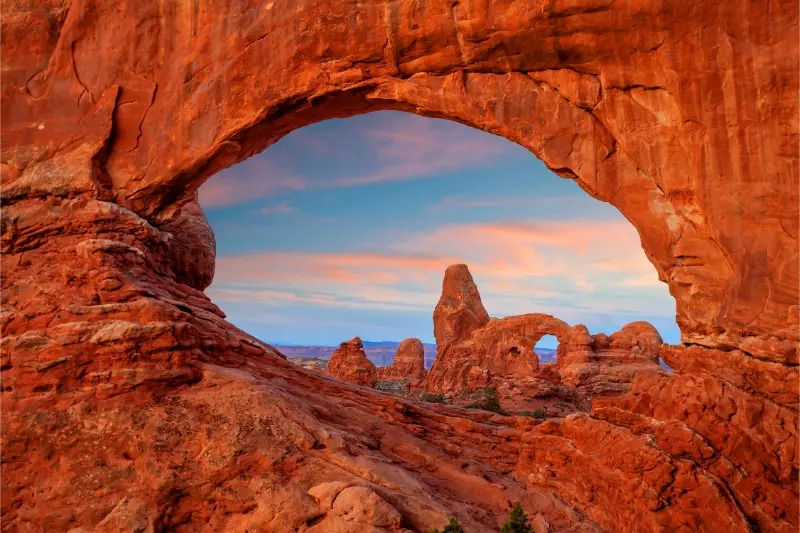
Arches is the obvious first day, but it deserves more than a drive to Delicate Arch Viewpoint. Balance a major hike with shorter stops such as Windows, Balanced Rock and Park Avenue. Parking at popular trailheads can fill even without a timed-entry system. Arrive early, carry water, and be willing to reverse the order of your plan if a parking area is congested.
Delicate Arch
The hike to Delicate Arch is exposed and can feel much hotter than the mileage suggests. There is little shade, the final rock approach can be uncomfortable for people with height concerns, and sunset creates a major concentration of visitors. If you hike late, bring a headlamp for the return. If the hike is not right for your group, the lower and upper viewpoints still provide a way to see the arch.
Devils Garden
Devils Garden can be anything from a short walk to Landscape Arch to a demanding primitive loop. Do not choose the longest option because a map makes it look manageable; heat, route-finding and slickrock can make the day harder. The campground and Fiery Furnace activities have their own reservation rules, so separate those from the general park-entry question.
Canyonlands: Island in the Sky
For a first visit, Island in the Sky is the most straightforward district of Canyonlands to combine with Moab. Mesa Arch, Grand View Point and overlooks above the Colorado and Green rivers create an excellent driving day. The distances are larger than Arches, and there is limited food and water, so pack lunch and start with a full fuel tank.
Dead Horse Point State Park
Dead Horse Point sits near the route to Island in the Sky and offers a dramatic Colorado River overlook. It is a Utah state park, so federal national-park passes generally do not replace the state entrance fee. I like placing it around sunrise or late afternoon, but do not sacrifice a relaxed Canyonlands day simply to collect one more viewpoint.
Colorado River corridor
Highway 128 follows the Colorado River through steep canyon walls and is one of the easiest scenic additions to a Moab trip. It can be used for a relaxed evening drive, picnic or access to activities. The river corridor also helps you understand that Moab is more than arches: the scale of the landscape becomes clearer when you spend time below the cliffs.
Potash Road and scenic drives
Potash Road offers river scenery, petroglyph panels and access toward trailheads and viewpoints. Some routes beyond the paved sections require appropriate vehicles and conditions. Rental-car contracts can restrict unpaved-road use, so never assume an SUV automatically gives permission to drive a rough backcountry road.
2026 reservations, permits and rules to know
Arches National Park announced that advanced timed-entry reservations are not required in 2026. Visitors may enter during operating hours, although temporary vehicle diversions can still occur when congestion becomes severe. Reservations remain relevant for specific experiences such as Devils Garden Campground and Fiery Furnace hikes. Check the official Arches planning page shortly before travel because crowd-management policies can change in future seasons.
I save the official rule page as an offline screenshot a few days before travel and check it again the evening before the visit. National parks, state parks and high-demand attractions can change access because of construction, storms, wildfire, staffing or crowd levels. A reservation confirmation also does not necessarily replace an entrance pass, parking fee or identification requirement.
A realistic itinerary
- Day 1 – Moab and the Colorado River: Arrive, settle in and use the afternoon for Highway 128, a short walk and sunset from a low-effort viewpoint. Avoid using arrival day for Delicate Arch if a delayed flight or long drive could push the hike into darkness.
- Day 2 – Arches National Park: Enter early and make this the full Arches day. Choose Delicate Arch or Devils Garden as the primary hike, then combine it with Windows, Balanced Rock and scenic pullouts. Leave enough daylight for the drive back to Moab.
- Day 3 – Canyonlands and Dead Horse Point: Drive to Island in the Sky, walk Mesa Arch, continue to Grand View Point and stop selectively at overlooks. Add Dead Horse Point if time and energy remain rather than forcing it into the middle of the park day.
- Day 4 – Flexible adventure day: Use the final day for rafting, mountain biking, a guided 4×4 outing, Potash Road, a second Arches sunrise or simple recovery time. The flexibility is valuable because wind, heat or crowds may shift the earlier schedule.
Keep one important experience per day as the priority and let secondary stops remain optional. This protects the trip from becoming a race. If the main hike, boat trip or scenic drive takes longer than expected, you can drop a minor stop without feeling that the day failed.
Best time to visit
Spring and autumn are the easiest seasons for hiking, but they are also popular. Summer heat can be dangerous on exposed trails; sunrise starts are a safety strategy, not just a photography preference. Winter can be beautiful and much quieter, though snow or ice may affect trails and roads. Moab has large day-night temperature swings in shoulder seasons, so layers matter.
For a nationwide comparison of seasons, school-holiday pressure and regional weather, see the month-by-month USA guide. Local conditions always matter more than national averages, so check weather, road status and alerts for the exact destination in the final week.
Budget and booking strategy
Moab prices fluctuate sharply with demand. Lodging, rental cars and guided adventures can cost much more during popular spring and autumn weekends. National-park entrance fees, Utah state-park fees, restaurant costs and activity reservations should be separate lines in the budget. If you plan several federal parks, compare the current pass options before buying individual entries.
My preferred booking order is transport first, then the hardest-to-replace lodging, then limited-capacity activities, and finally flexible attractions. Keep a small contingency for parking, tips, local taxes, baggage, fuel and food-price variation. The USA travel costs guide has a broader budgeting framework.
Visiting with children
Moab can be excellent with children if you choose shorter trails and avoid midday heat. Windows, Balanced Rock, easy overlooks and river-side stops deliver strong scenery without a full-day hike. Keep children close around cliff edges—many viewpoints have natural rock boundaries rather than city-style railings—and carry more water than you would for a similar walking distance at home.
With a family, I would shorten driving days and protect meal times rather than adding one more attraction. The USA with kids guide covers car seats, hotel choices, long drives and other practical issues that affect family travel across the country.
Common mistakes to avoid
- Trying to visit Arches and Canyonlands thoroughly in one day.
- Assuming no timed entry means no queues or parking problems at Arches.
- Planning exposed hikes at midday in hot weather.
- Driving rough roads without checking conditions and rental-car restrictions.
- Forgetting that Dead Horse Point is a state park with separate fees and rules.
Another common mistake is relying on a screenshot of an old itinerary without checking current opening hours. In the United States, seasonal operations can be dramatic: a road that is a normal summer route may be closed in winter, and a popular trail or beach may use a reservation system only during part of the year. Recheck the first activity of each day before leaving your hotel.
How to combine this stop with a longer USA trip
Moab is the eastern anchor of the Utah Mighty 5 itinerary. It can also be linked to the Colorado road trip through western Colorado or to the Arizona road trip through Monument Valley. For the driving side of the journey, see the USA road trip guide.
When joining destinations, compare driving time with the cost of a short flight. The United States is large enough that two places appearing close on a national map can still require most of a day in transit. I would rather remove one weak stop and spend an extra night in a strong destination than spend the vacation repeatedly packing bags.
Practical packing and safety notes
Carry a charged phone, portable battery, refillable water bottle and an offline copy of accommodation addresses and confirmations. Outdoor destinations also justify a small first-aid kit, sun protection and layers. Do not rely on mobile coverage for trail navigation or reservations. In cities and busy visitor areas, keep passports and valuables secured and avoid leaving bags visible in parked vehicles.
For any hike, beach, river or mountain activity, make same-day conditions part of the decision. Heat, surf, lightning, snow, smoke, flash floods and wildlife can turn a normally simple activity into a poor choice. Turning around early is not a failed travel day; it is good trip management. Replace the activity with a viewpoint, visitor center, town stop or meal and keep the larger itinerary intact.
Related USA travel guides
Final planning advice
About a week before departure, I review the trip in chronological order: airport arrival, first hotel, each intercity transfer, timed reservations, rental-car pickup or return and the final airport journey. I save confirmation numbers offline and note cancellation deadlines. Then I stop adding attractions. The goal of a good itinerary is not to prove how much you can fit into a day; it is to make the important experiences easy to enjoy.
I also look at the final hour of every day. Knowing how you will return to the hotel after sunset, where the car is parked, whether public transport is still running and where you can get a simple late meal removes a surprising amount of stress. That small piece of planning is especially useful after national-park hikes, island drives and long road-trip days.